Running SAP legacy software: Why is now the right time to consider SAP EWM?

The real cost of staying put
Legacy WMS platforms were built for a different era of warehousing. The challenge is that warehousing has changed substantially, and most legacy systems have not kept pace.
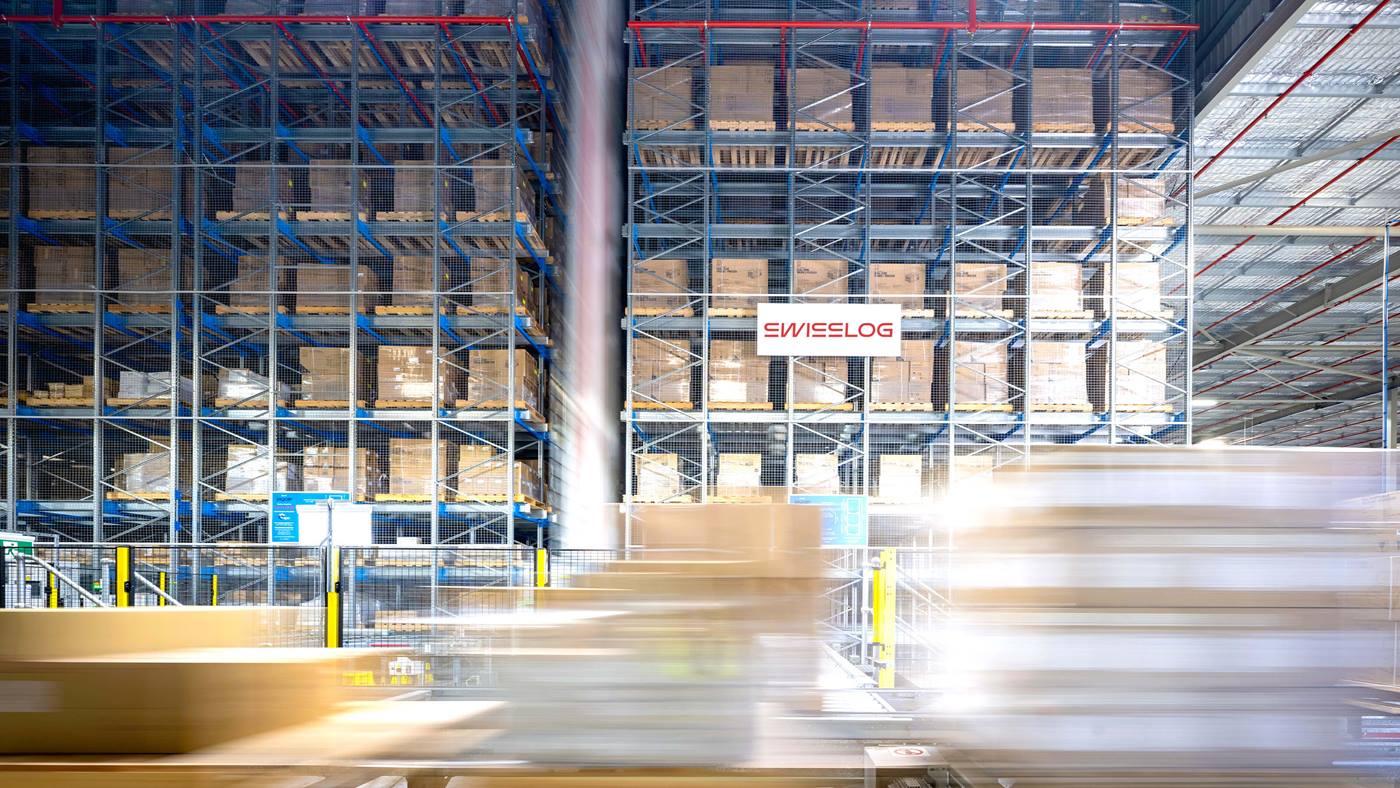
Operators running aging platforms typically encounter the same set of problems. Security vulnerabilities accumulate as patches slow down or stop entirely. Integration with modern automation — autonomous mobile robots, goods-to-person systems, automated storage and retrieval — becomes difficult or requires expensive custom workarounds. Real-time inventory visibility, which customers and supply chain partners now expect as standard, is hard to achieve on platforms not designed for it. Internal knowledge required to maintain heavily customized legacy code becomes concentrated in fewer people over time, posing its own operational risk.
None of these problems announce themselves dramatically. They compound quietly, year over year, until the cost of staying put exceeds the cost of change.
Why SAP EWM is worth considering
SAP Extended Warehouse Management (SAP EWM) is built for the demands shaping warehousing today. Integrated natively into SAP S/4HANA, it provides a unified environment for managing warehouse operations alongside broader supply chain, production, and logistics functions, replacing the fragmented data flows that characterize most legacy environments.
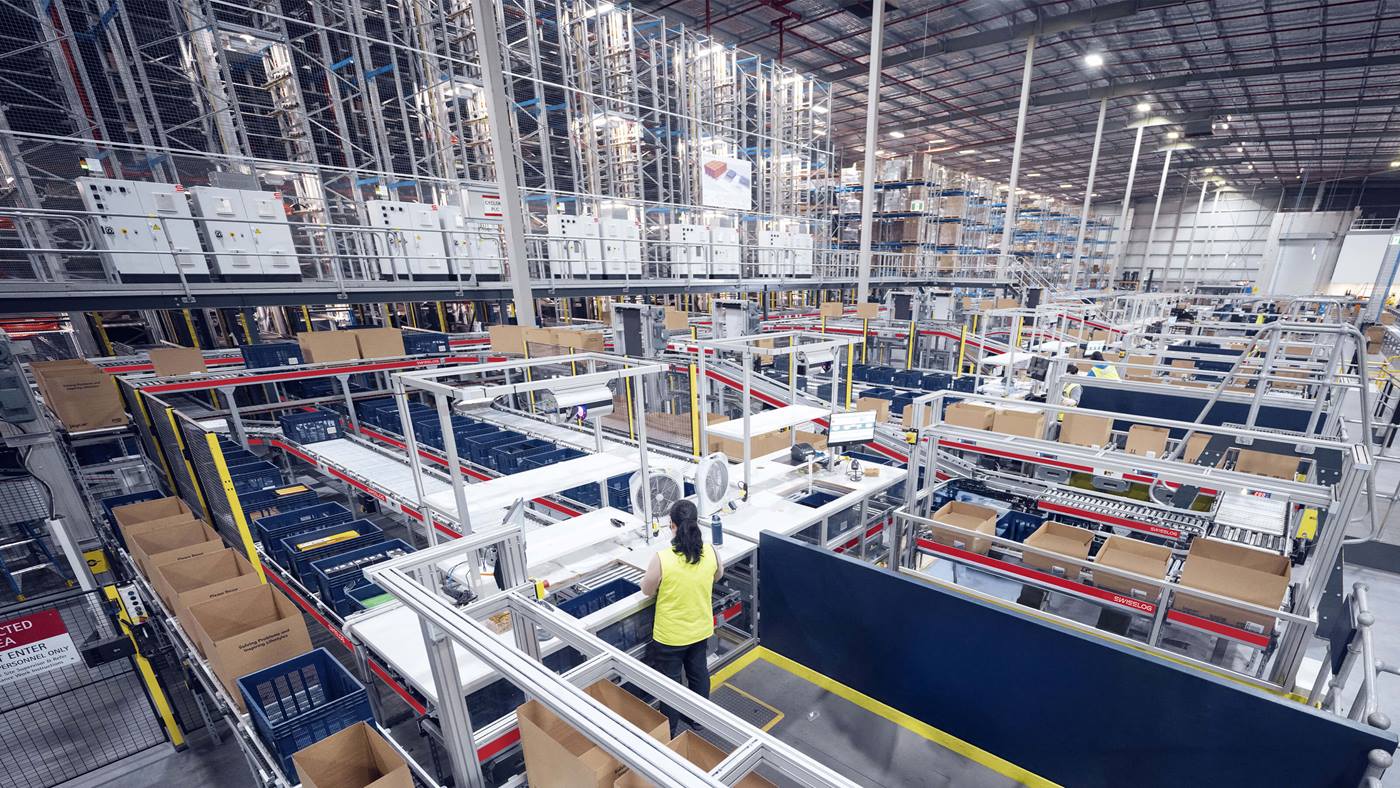
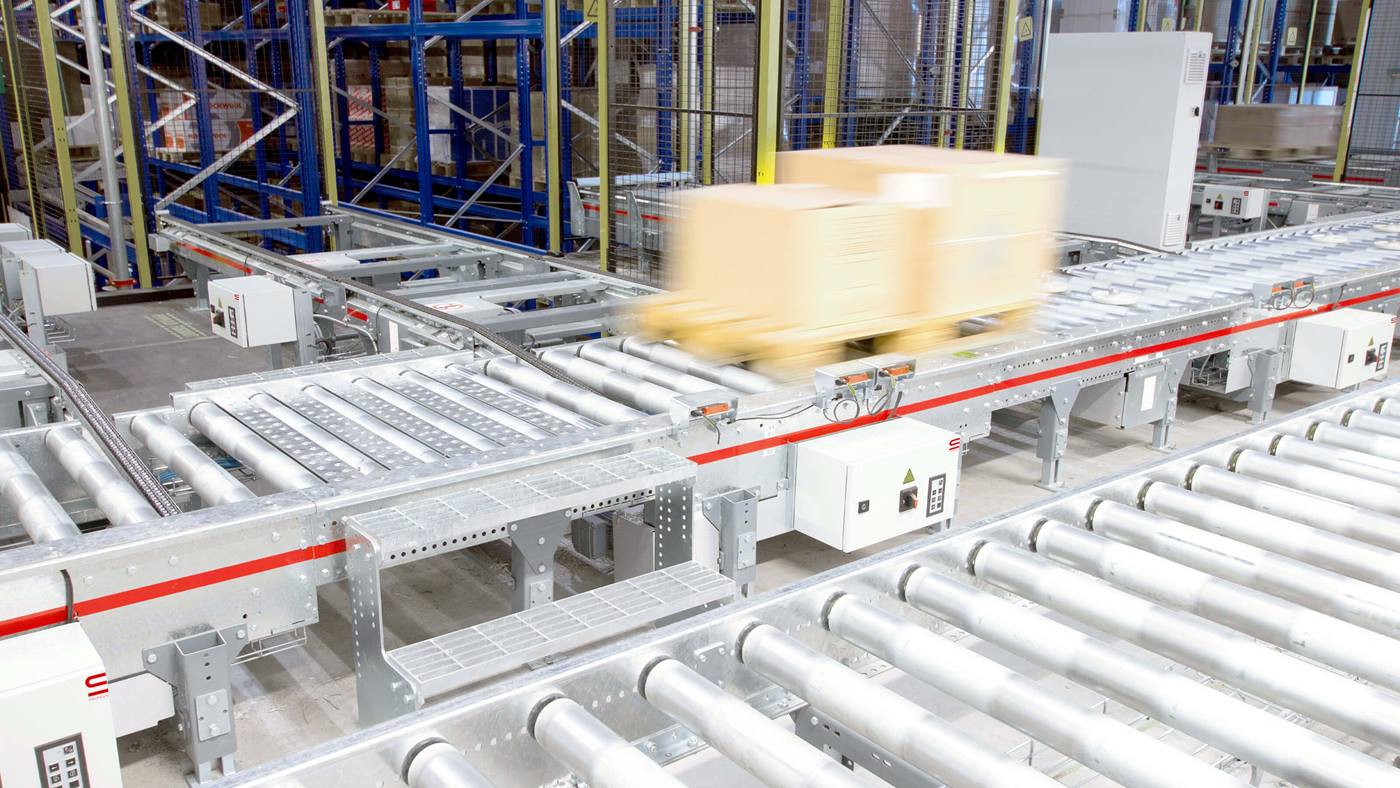
SAP EWM offers native support for labor management, slotting optimization, wave management, and integration with physical material flow systems. For operations planning to invest in robotics or AI-driven warehouse optimization, the platform provides a foundation designed to support those technologies rather than accommodate them as an afterthought.
The architecture is also built with longevity in mind. The Clean Core approach handles custom logic through standardized Business Add-Ins rather than modifications to the core software, keeping the system upgrade-compatible and aligned with SAP's ongoing product development.

What a structured WMS migration looks like
Migrating a warehouse encompasses far more than a software change. Re-evaluating years of custom development, revalidating interfaces to automation and logistics systems, cleansing master data, redesigning processes, and preparing warehouse teams to operate confidently from day one all demand a structured approach.
The organizations that experience difficult migrations typically underestimated the integration work, left data cleansing too late, or failed to involve warehouse teams early enough in the process. None of those are unavoidable problems. They are the predictable consequences of treating the project as a straightforward software deployment.
One consideration that deserves early attention is the choice of implementation partner. General SAP consultancies can configure the software competently, but for operations with existing automation investments, the interfaces between SAP EWM and physical automation systems are among the most technically complex elements of the migration. Working with a partner that combines SAP EWM expertise with hands-on automation engineering means that complexity is managed by people who understand both sides of the equation.
The window is open now
For SAP WM users, the 2027 deadline makes the timeline concrete. For operations on other legacy platforms, the underlying logic is the same. Every year spent on a system that cannot support modern automation or real-time visibility is a year of competitive ground that is harder to recover later.
The conditions for a well-planned, properly resourced migration are better now than they will be closer to any deadline.
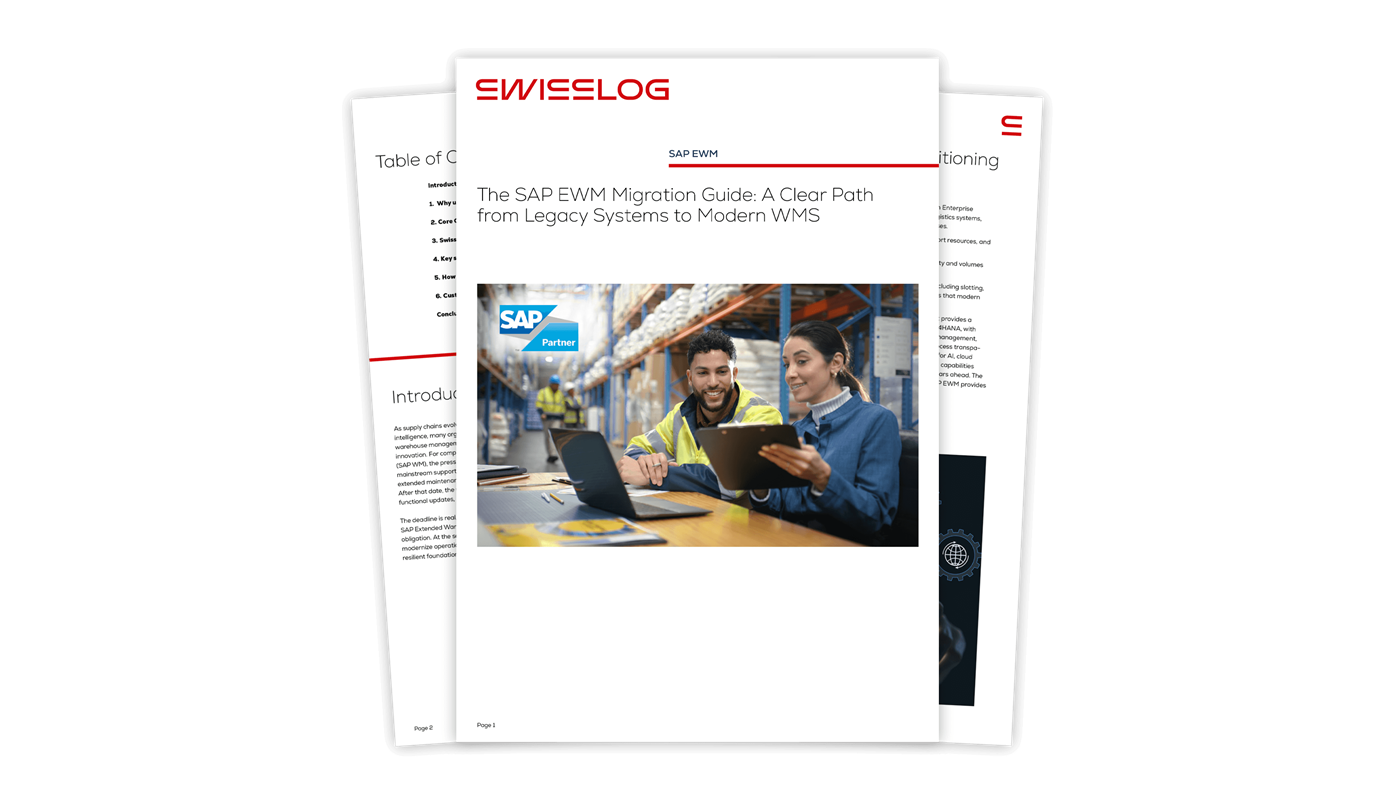
If you want to understand what a structured migration to SAP EWM looks like in practice, download our complete migration guide. It covers a full six-step methodology, key success factors, and real-world case studies.