How legacy warehouse management software is costing you more than you think

Key takeaways
- Automation hardware can run for years while the software behind it slowly becomes a limiting factor.
- Legacy software solutions often struggle with data, visibility, security, access control, and the cost of small changes.
- Common triggers to act: a failed audit, a painful outage, an IT policy change, or simply new growth the software can't support.
- Three upgrade paths exist: phased migration, scheduled cutover with rollback, or full system modernization.
- A good partner offers pre-go-live emulation options, a dedicated migration team, site cutover support, a defined rollback plan, a test plan, and hypercare after go-live.
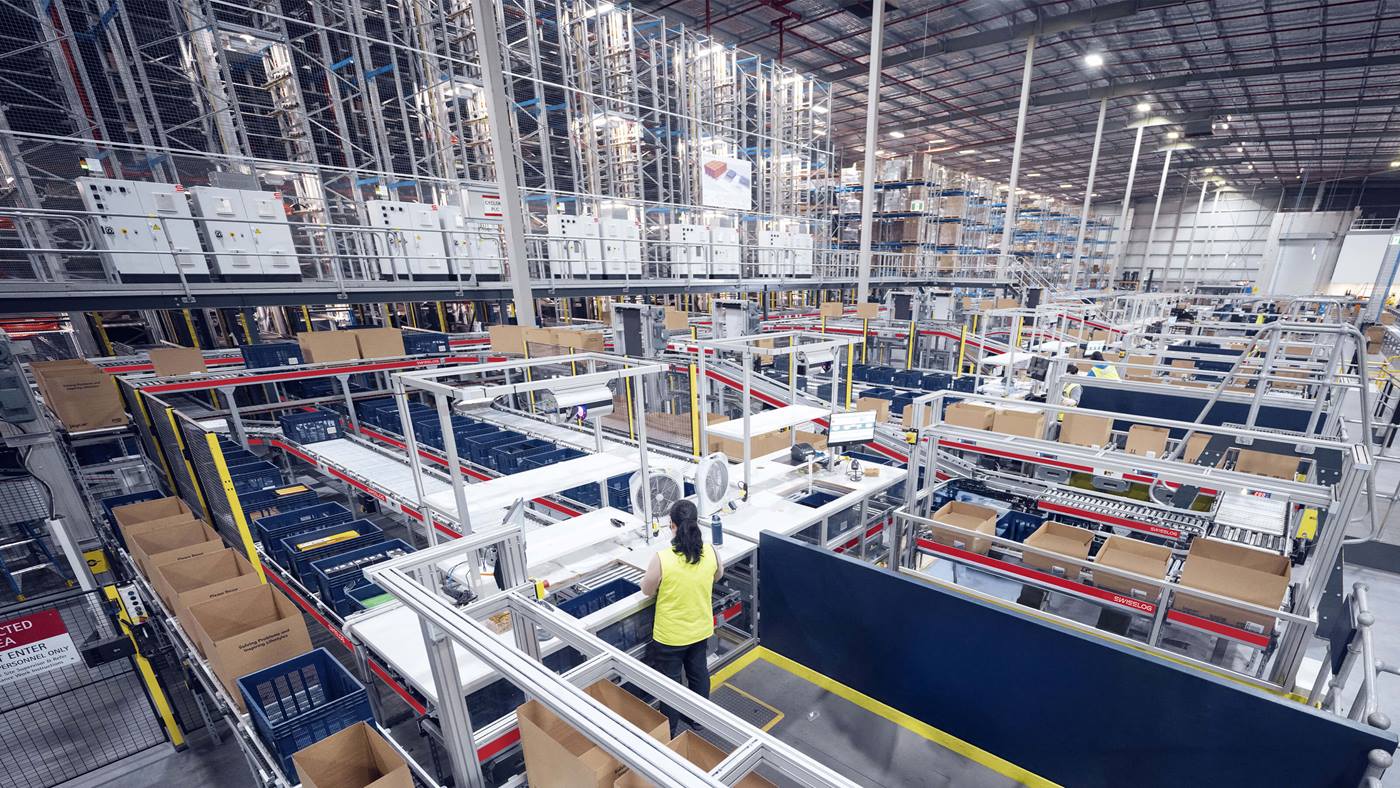
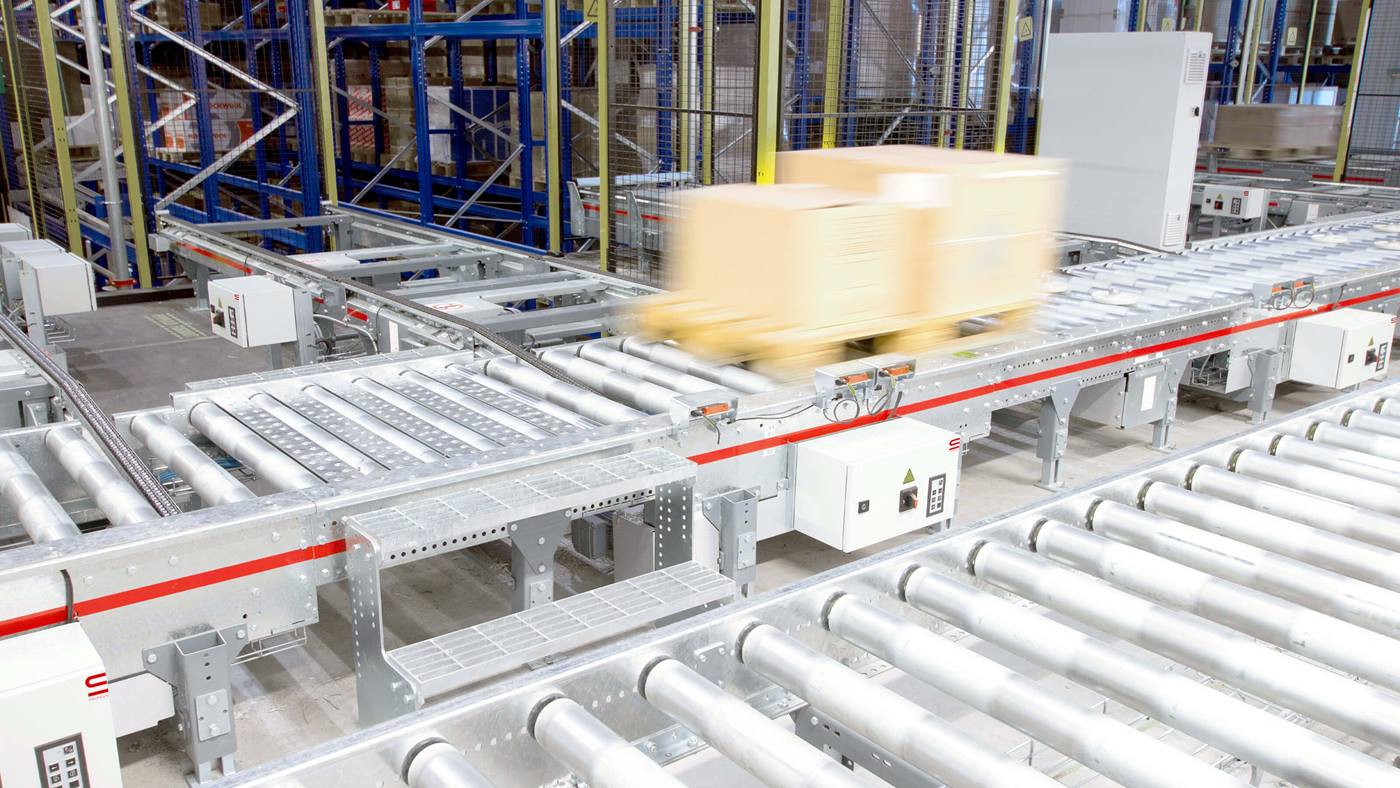
Many warehouse operations run on significant automation investments: ASRS, conveyors, robots, and much more, all carefully selected and built to last. That investment keeps earning its keep for years.
But aging software behind it tells a different story. Equipment goes offline and nobody notices until orders back up. An audit flags an outdated component or an access gap. New processes arrive faster than the system can adapt, prompting manual overrides. For teams running decade-old warehouse management software, this happens routinely. The hardware and the software both still run, but the system as a whole hasn't kept pace.
From control to warehouse orchestration
Early warehouse control systems were middleware: rule followers translating business logic into automation behavior. When something didn't go to plan, operators had to spot it and fix it manually.
Modern warehouse execution systems (WES), like Swisslog’s intralogistics platform SynQ, work differently. A WES holds a live picture of every order, inventory position, and resource, and makes continuous decisions as conditions change. If inventory is blocked by congestion, it finds a better location. If a workstation has no available resources, it reassigns the work. These are decisions that used to need a person to notice and resolve manually, often after orders had already started slipping.
The cost of staying on legacy warehouse software
Staying on legacy software can feel like the safe choice. But that logic tends to undercount what it's already costing:
- Operators can't see what's wrong. Many older systems lack standard visualization tools, so the only fix is calling support, requesting log files and manually parsing through data files to diagnose the issue.
- IT can't keep it secure. Ageing third-party components flagged in an audit are a real risk, with no straightforward upgrade path.
- Access can't be properly controlled. Older platforms often lack the access management that corporate IT policy now expects.
- Every change is expensive. Seemingly straightforward changes can need custom development against old customisations, and the code becomes very complex, often fragile over time.
Four signs it's time to upgrade your warehouse platform
Upgrade decisions rarely come from a cost-benefit analysis. More often, they come from a trigger:
- A failed audit flagging outdated components or access gaps.
- A painful outage exposing how little visibility the team had.
- A leadership change that puts IT modernization back on the agenda.
- Growth the software can't support, and instead becomes the constraint.
Three warehouse management system upgrade paths
The right approach depends on complexity, risk tolerance, the scope of change, and the amount of integration and software migration required across the system:
- Phased migration for high-complexity sites where downtime carries high risk.
- Scheduled cutover with rollback for sites with a defined maintenance window.
- Full system modernization for sites bringing controls and software current together.
What a good software upgrade partner offers
Before the project starts, it's worth asking whether the provider offers pre-go-live emulation against real data, a named migration team, and experienced people on site at cutover. Equally important is a tested rollback plan and proper hypercare after go-live, rather than a quick handover to standard support. Ask how the partner handles software migration tooling, legacy data mapping, WMS configuration migration, WES rule migration, and ERP integration testing in a controlled environment.
The bottom line
A system that goes offline without explanation, security gaps patched around rather than resolved, an operation that's outgrown its software: these are signals worth acting on. Upgrading is achievable with the right plan and partner, and the payoff is more stability, faster decisions, and less time lost to workarounds.
For a complete guide to software migration, including upgrade approaches and provider questions to ask, download the full white paper here:
FAQ - Upgrading legacy warehouse management systems
What are the signs that a legacy warehouse management system (WMS) is holding back warehouse performance?
The common warning signs that a legacy warehouse management system (WMS) is holding back warehouse performance include:
- Limited system visibility and reporting
- Frequent manual interventions
- Difficulty integrating new automation technologies
- Increasing maintenance costs
- Cybersecurity vulnerabilities
- Inability to scale operations efficiently
These issues often indicate that warehouse software has reached its operational limits.
What are the benefits of upgrading warehouse software?
Upgrading to a modern warehouse execution platform can deliver:
- Real-time operational visibility
- Digital twin capabilities
- Faster issue resolution
- Reduced manual intervention
- Improved cybersecurity
- Better performance and throughput
- Enhanced scalability for future growth
Organizations often realize greater value from existing automation investments by modernizing their software environment.
When should a company consider a warehouse management software migration?
Companies should consider a warehouse software migration when their current system creates operational limitations, experiences increasing downtime, presents cybersecurity risks, lacks modern visibility tools, or cannot support future automation technologies. Common triggers include failed audits, major outages, growth initiatives, and digital transformation programs.
What should I look for in an upgrade provider?
When looking for a software upgrade provider, you should consider pre-go-live emulation capabilities, a dedicated migration team, on-site support at cutover, a tested rollback plan, and proper hypercare after go-live.
What are the biggest risks of delaying a warehouse management system (WMS) migration?
Delaying a warehouse management system (WMS) migration may lead to:
- Increased cybersecurity exposure
- Higher support and maintenance costs
- Operational downtime
- Compliance challenges
- Limited ability to adopt new automation technologies
Over time, legacy software can become the primary constraint to warehouse growth and adding new innovations.