Using warehouse automation to connect manufacturing processes and inventory management
While globalization has helped reduce the cost of pharmaceutical manufacturing, it has also created a fragile supply chain vulnerable to disruptions. Recent U.S. policy changes have lowered the barriers to building or expanding domestic manufacturing. This is causing many companies, including pharma manufacturers to re-evaluate their production chain and consider onshoring as a viable option. In fact, a recent Forbes article highlighted the billions of dollars pharmaceutical companies are expected to invest in the U.S. by 2030.
As pharmaceutical manufacturers create fully domestic manufacturing ecosystems, warehouse automation is unlocking substantial benefits, providing a distinct advantage in production capabilities. It is helping ensure their manufacturing lines are running as efficiently as possible, especially when they ramp up capacity. Bolstered by continued advancements in warehouse technologies and software, once distinctly unique applications are now easily navigated as part of a wholistic automation strategy.
Warehouse automation is also helping ensure compliance with regulations and industry standards. The pharmaceutical industry is one of the most heavily regulated industries in the world, including rules on how products are stored, handled and distributed. Manual material handling increases the risk of product contamination or human error, as well decreases throughput as a result of the various stages in the process.
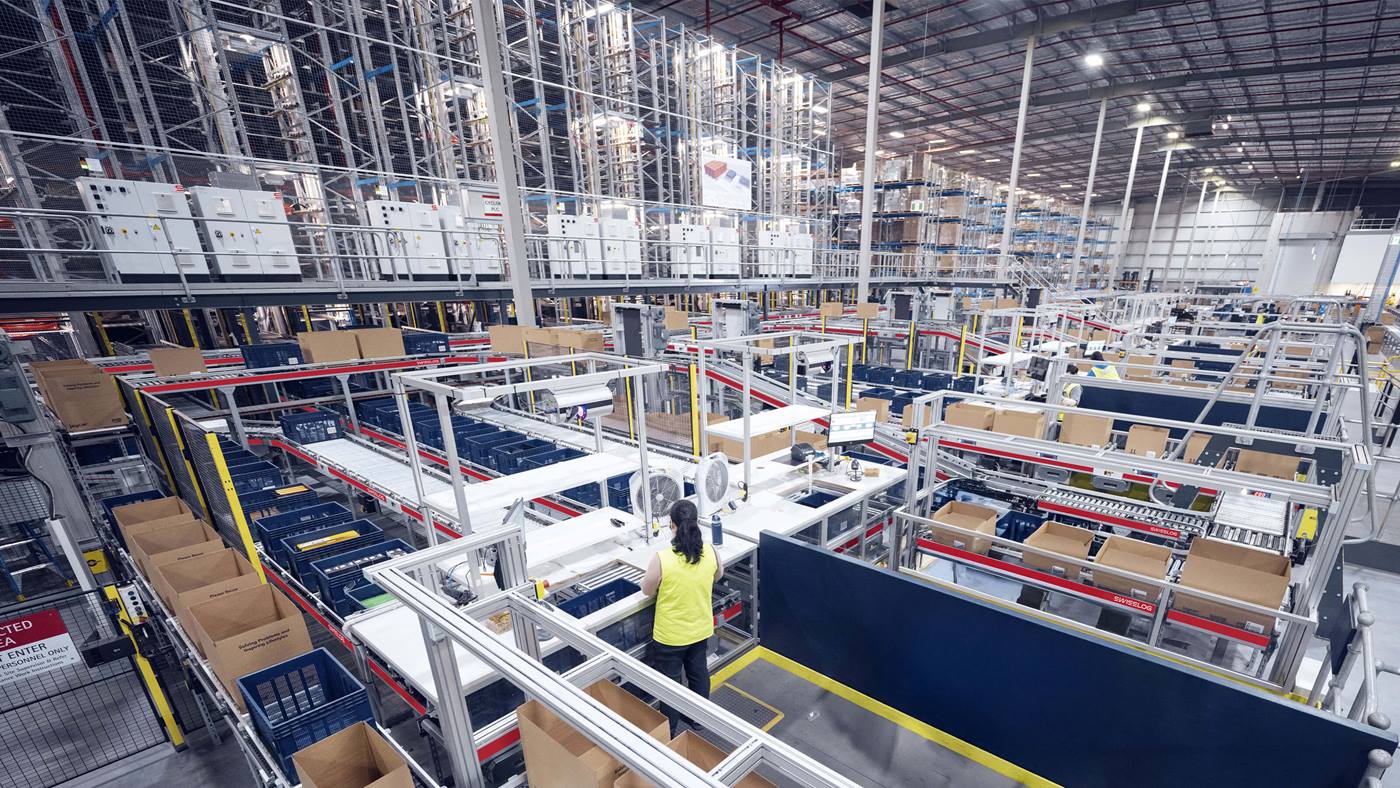
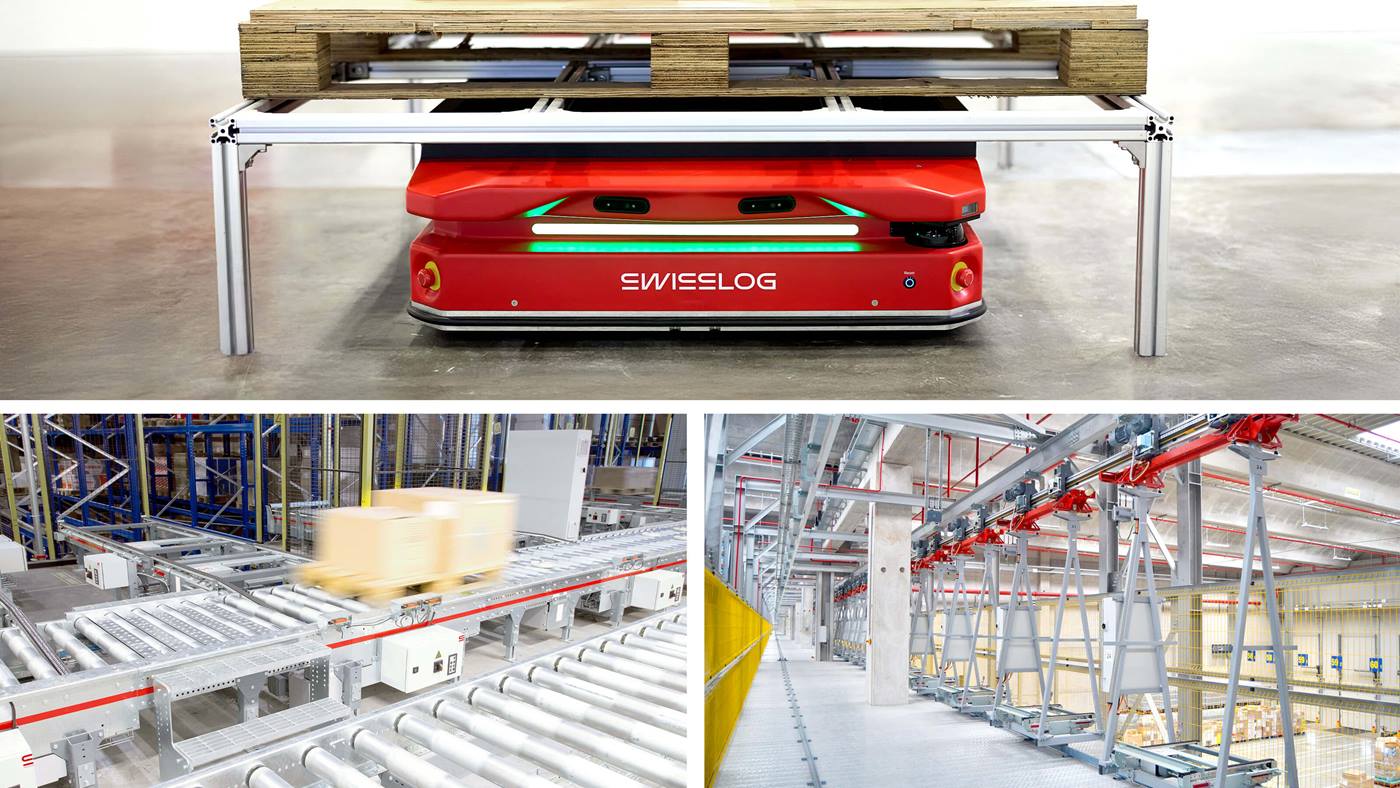
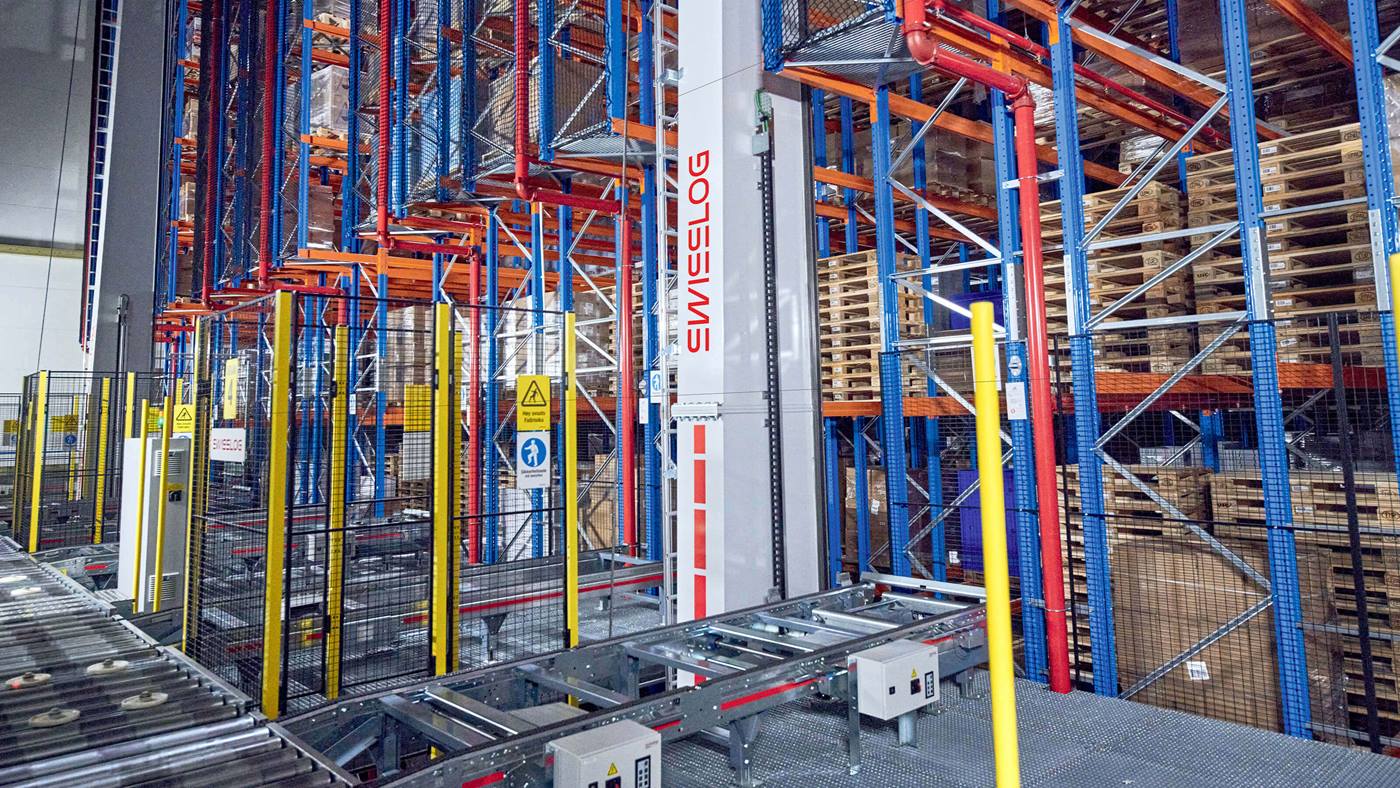
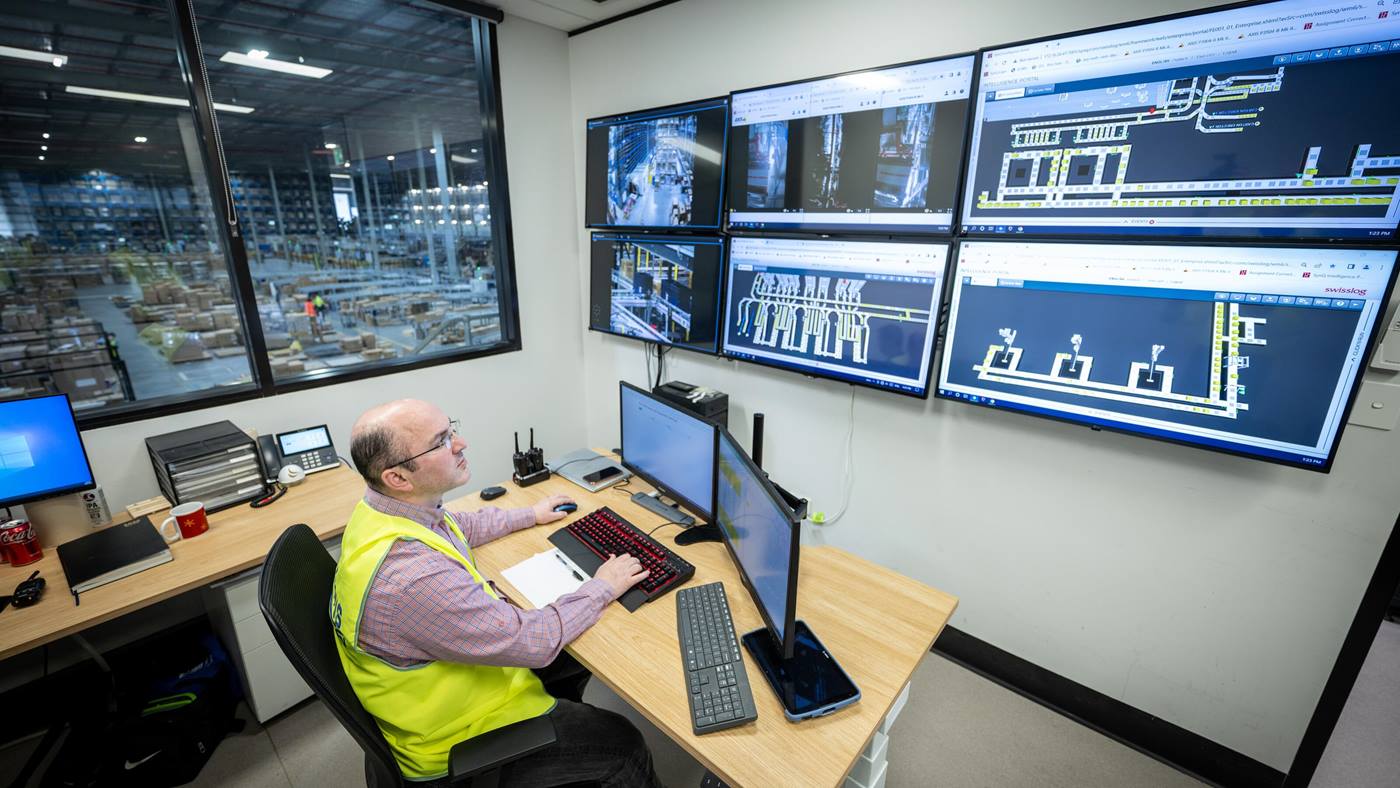
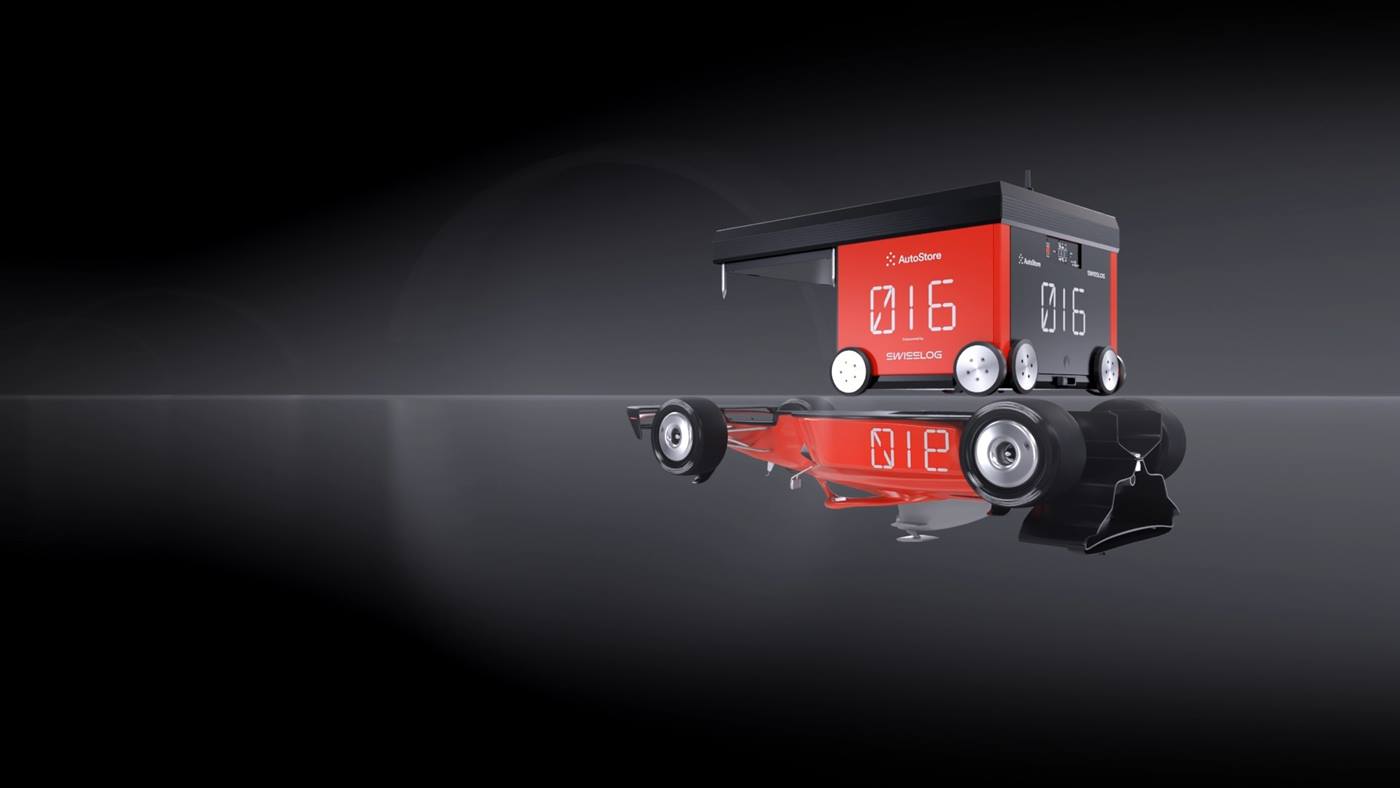
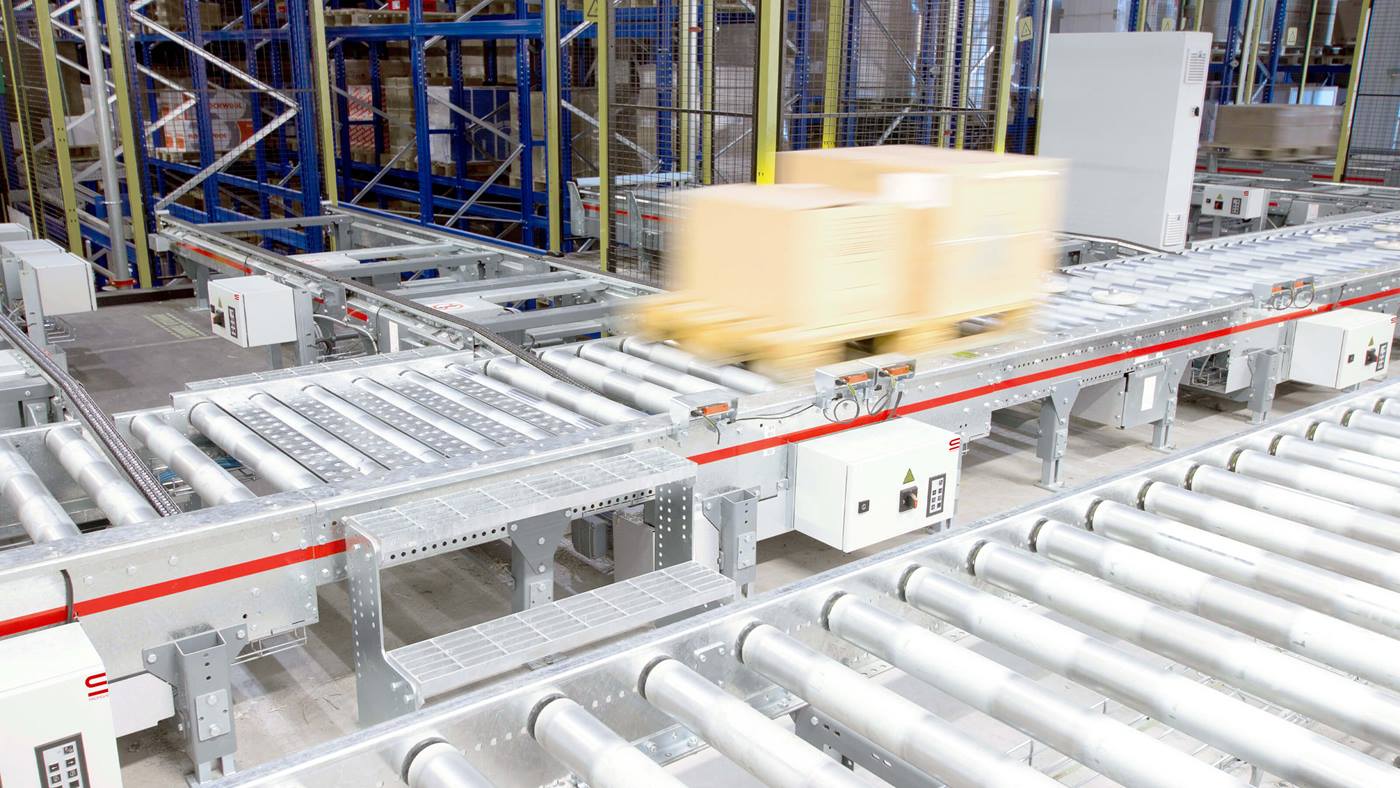
So, what might it look like when manufacturing processes and inventory management are connected through warehouse automation? While it can vary depending on a number of factors, it generally includes raw goods storage, automated transit to all manufacturing lines, automated transit back to finished goods warehouse, and distribution from the finished goods warehouse to semi-trucks. The solution can include a variety of automation technology, including automated storage and retrieval systems (AS/RS), autonomous mobile robots (AMRs), automated pallet conveyors and stacker cranes. The entire system can also be orchestrated by an intelligent intralogistics platform, such as Swisslog’s SynQ that helps connect warehouse operations, automation, and processes in one unified system.
The following are benefits pharma manufacturers are realizing from connecting production and storage with warehouse automation.
-
Streamlined compliance and traceability
Pharma manufacturers operate under a strict regulatory framework that includes the U.S. Drug Supply Chain Security Act (DSCSA) and Good Manufacturing Practice (GMP) guidelines. DSCSA compliance involves implementing systems for tracking and tracing prescription drugs, while GMP provides guidelines to ensure that products are consistently produced and controlled according to quality standards. Warehouse automation directly enhances compliance and traceability for sensitive pharmaceutical products by unifying inventory control and real-time tracking across processes. Advanced platforms like Swisslog’s SynQ software provide automated enforcement of product tracking—enabling transparent, validated reporting for regulators and supply partners. This end-to-end traceability simplifies compliance, ensuring product integrity and that recalls or investigations can be completed efficiently and accurately. -
Reduced errors and increased accuracy
Warehouse automation technology can dramatically improve accuracy and reduce errors in pharmaceutical manufacturing beyond what is typically achievable with manual material handling. Human operators, despite training, can make mistakes due to fatigue, distraction, or misinterpretation of instructions. Warehouse automation performs repetitive tasks with consistent precision and accuracy. The technology follows exact instructions every time, eliminating the variability inherent in manual handling. Every touchpoint in a pharmaceutical environment carries contamination risk. Automation technology reduces the number of human touches and enforces controlled, enclosed handling processes. This not only prevents mix-ups but also helps maintain product quality, reducing the potential for human-borne contaminants or cross-contact. -
Enhanced operational flexibility and scalability
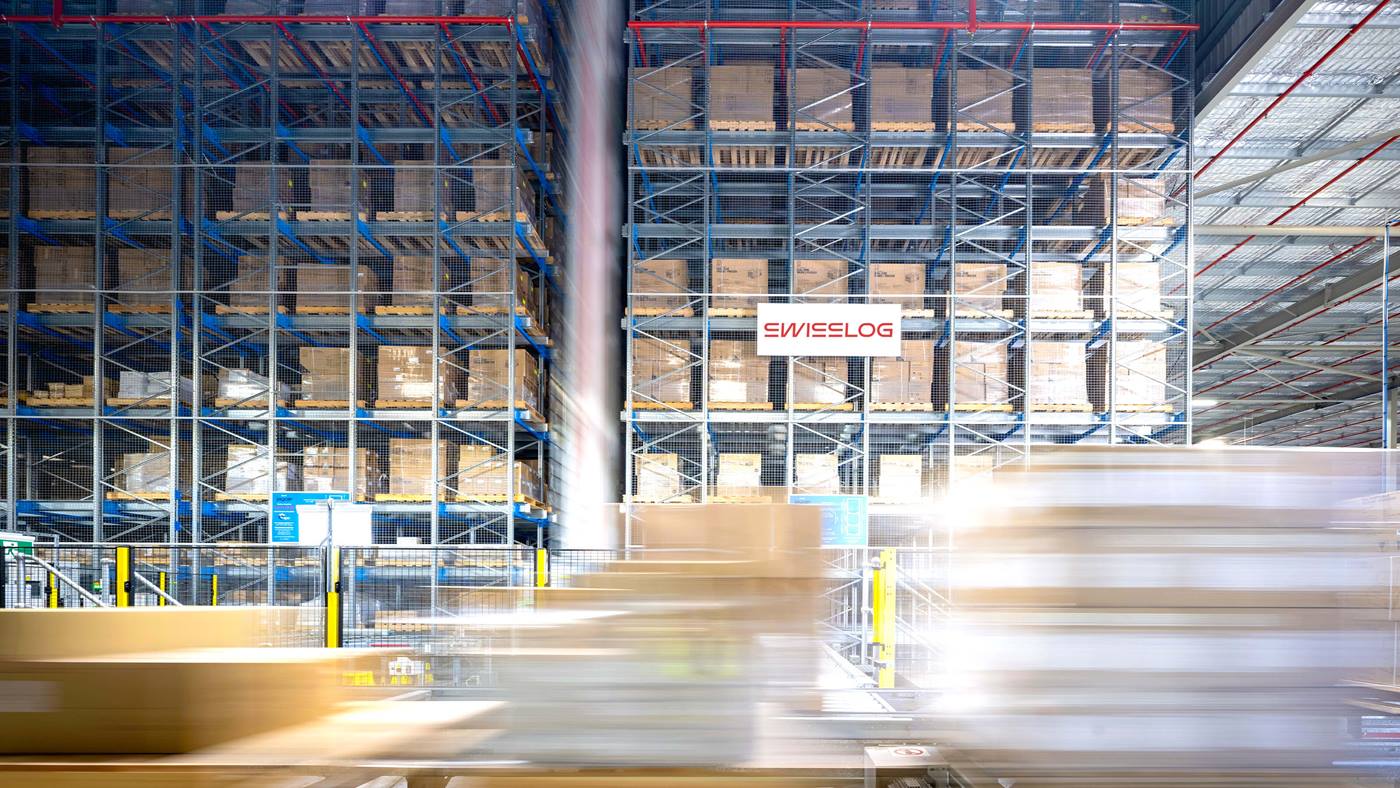
Warehouse automation offers a blend of operational flexibility and scalability that enables pharma manufacturers to adapt quickly as business needs evolve. One of the most significant advantages is its ability to maximize storage density. Automated storage and retrieval systems allow storage to extend higher than what is typically feasible with manual operations. This can be as much as 150 feet compared to 40 feet in a traditional manual warehouse.
By unlocking vertical space that would otherwise go unused, manufacturers achieve greater capacity without expanding a building’s footprint. Warehouse automation solutions are often modular and configurable, designed as building blocks that can be added, removed or reconfigured as order volumes, inventory profiles or product lines change. This modulatory gives manufacturers the agility to evolve their facilities without major operational disruptions to support different processes, ongoing growth and continuous improvement. -
Increased throughput
Warehouse automation helps pharmaceutical manufacturers significantly increase manufacturing reliability and output by removing manual bottlenecks and ensuring material and raw goods are always in the right place at the right time. This consistent and predictable flow of materials and products keeps manufacturing lines running without interruption, reducing changeover delays, preventing stockouts, and eliminating the idle time that often arises from manual handling. Automation also simplifies the compliance burden that pharmaceutical manufacturers face by digitalizing and streamlining the process, which in turn, further eliminates bottlenecks.
A trusted automation partner with industry expertise
Warehouse automation helps pharma manufacturers realize significant benefits by connecting production and storage. But those benefits can only be realized by working with an automation partner that understands the unique demands and regulatory requirements of the industry.
At Swisslog, our industry experience enables us to efficiently tailor design, installation, and commissioning processes to industry requirements. Our solutions comply with GxP (e.g., GMP, GCP, GLP), and our installation processes conform to compliance milestones. We also have experience working within strict policies for IT access and helping our customers prepare for FDA validation. With our deep industry experience, broad portfolio of solutions and modular software platform, Swisslog is ready to help you get the most out of material handling automation as you look to connect your production with storage. To learn more, contact us.