Cómo responder a los desafíos de una cadena de suministro retail en evolución continua mediante la automatización
Estas condiciones en constante cambio exigen flexibilidad y agilidad, dos cualidades que no siempre caracterizan a muchas soluciones de automatización tradicionales. Los sistemas más antiguos suelen percibirse como excesivamente rígidos y difíciles de adaptar, lo que en ocasiones los convierte en una apuesta tan arriesgada como beneficiosa para el negocio.
El modelo operativo también ha evolucionado: si antes se enviaban grandes volúmenes de productos a las tiendas para su venta, hoy el comercio electrónico gestiona pedidos individuales —a menudo de una sola unidad— que se entregan directamente al consumidor. Como consecuencia, las necesidades de preparación de pedidos se han multiplicado, impulsadas tanto por el e-commerce directo como por servicios como la recogida en tienda y la reposición de productos en las estanterías de los puntos de venta.
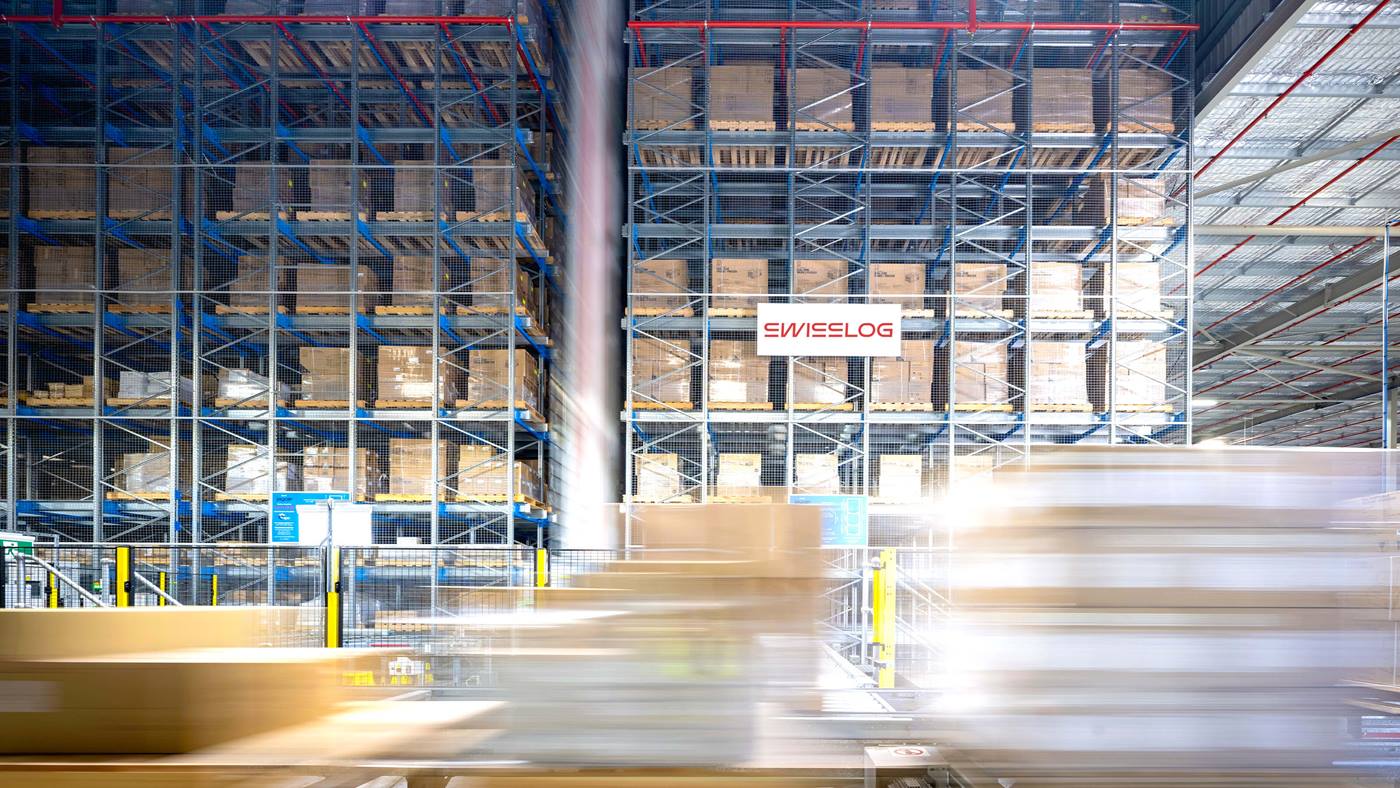
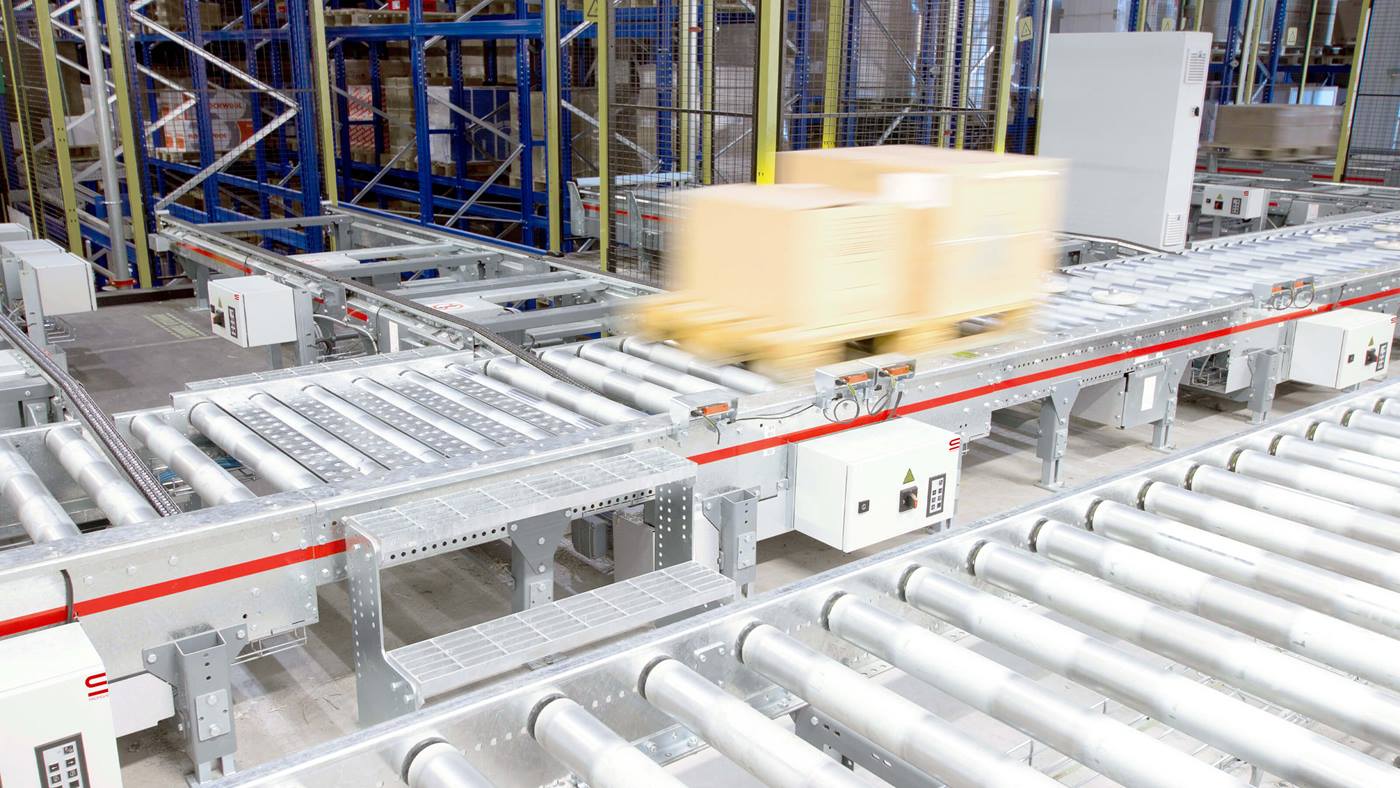
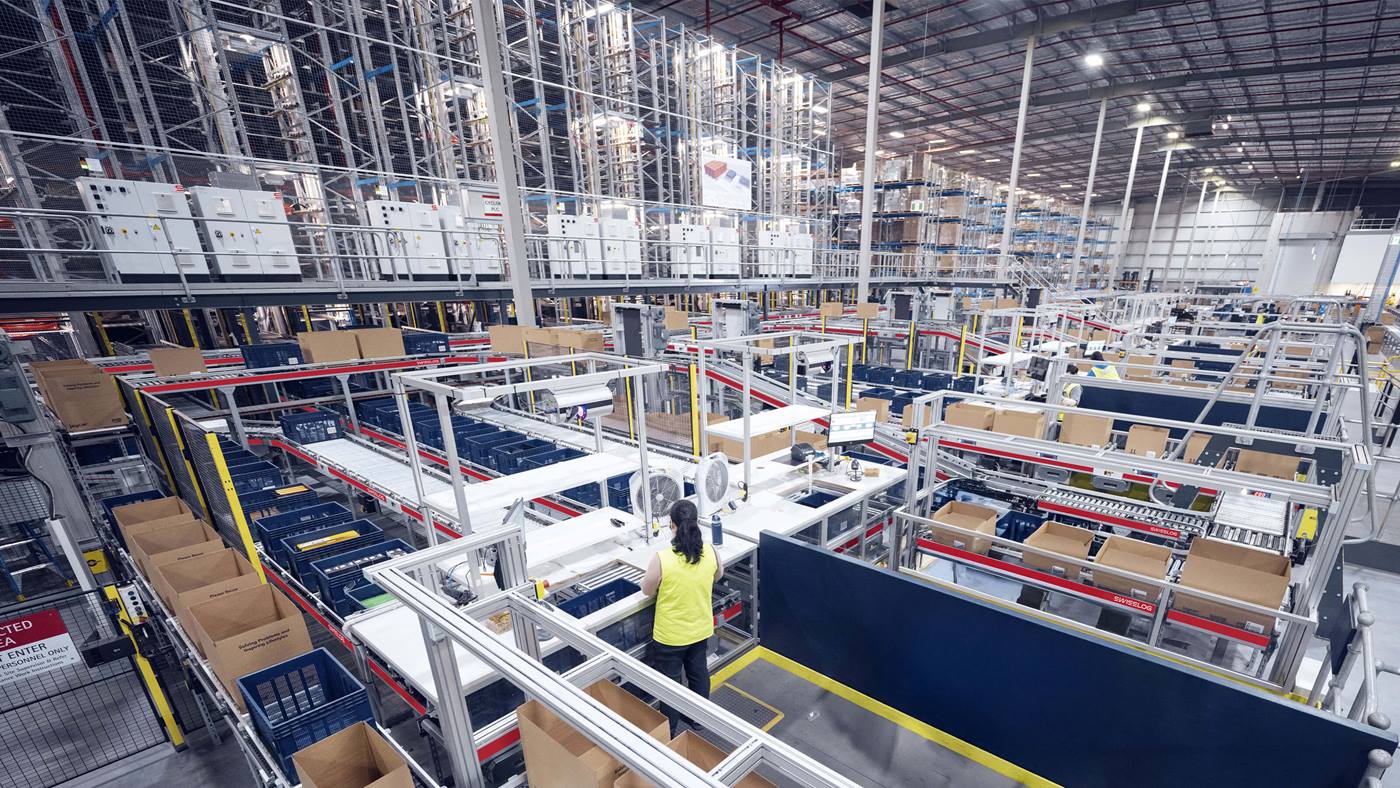
La automatización sigue siendo un pilar clave en los almacenes minoristas Retail modernos. La integración de equipos humanos con soluciones robóticas permite aumentar significativamente el rendimiento y optimizar el valor del trabajo, al liberar a los operarios de tareas repetitivas como los desplazamientos constantes entre contenedores y sistemas.
La clave reside en elegir la solución de automatización más adecuada para el retail de productos de gran consumo y generales. Los distribuidores y minoristas actuales necesitan tecnologías capaces de responder a las necesidades inmediatas sin limitar su capacidad de evolución. Una automatización preparada para el futuro permite:
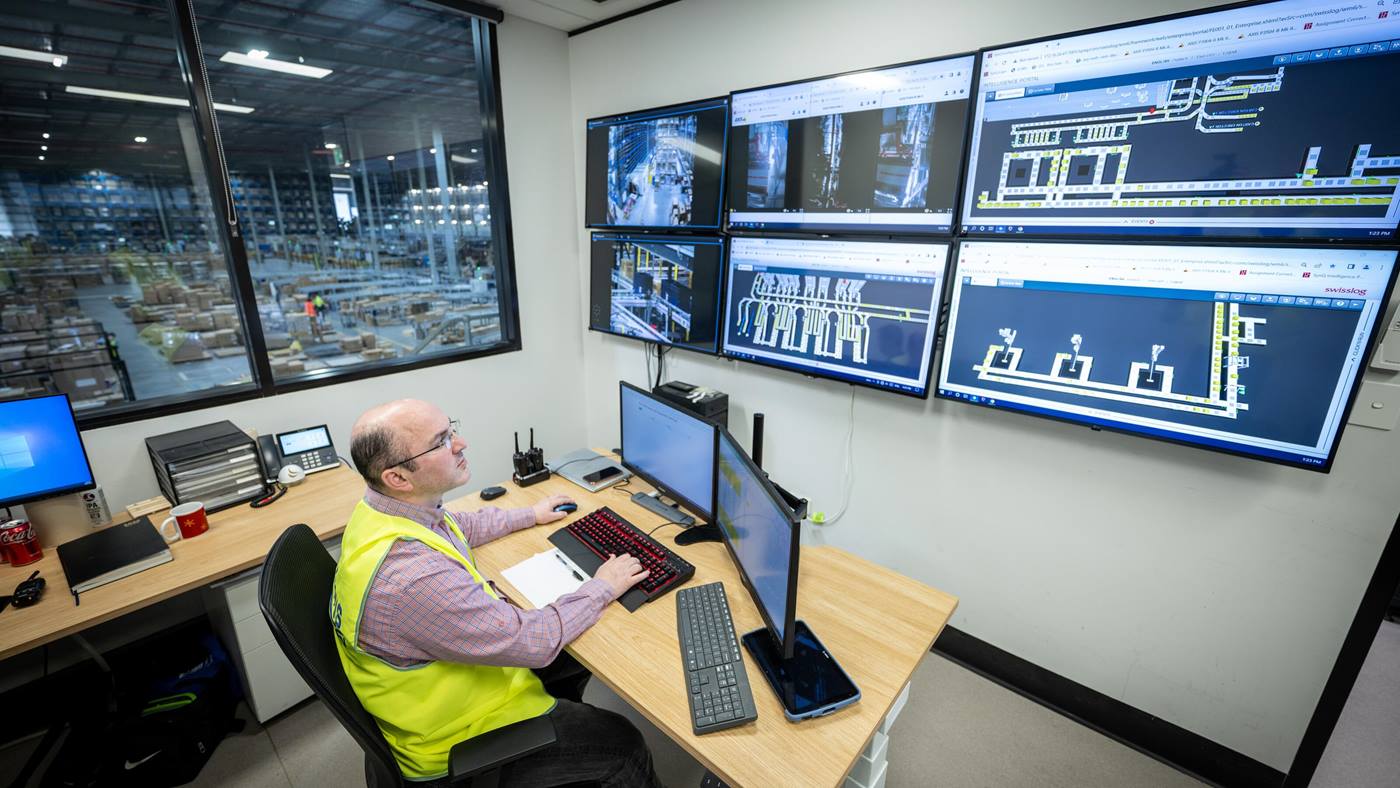
- Afrontar la incertidumbre con mayor eficacia gracias a un software flexible y robusto, como SynQ, al mismo nivel que el hardware
- Gestionar fuertes variaciones de la demanda, tanto en horas punta como en periodos valle, ya sea por picos estacionales o por incrementos repentinos vinculados, por ejemplo, al marketing de influencers o a búsquedas impulsadas por inteligencia artificial
- Reducir la necesidad de incrementar plantillas en momentos de máxima actividad y horas punta
- Escalar, reducir o reconfigurar las operaciones de forma ágil y rentable
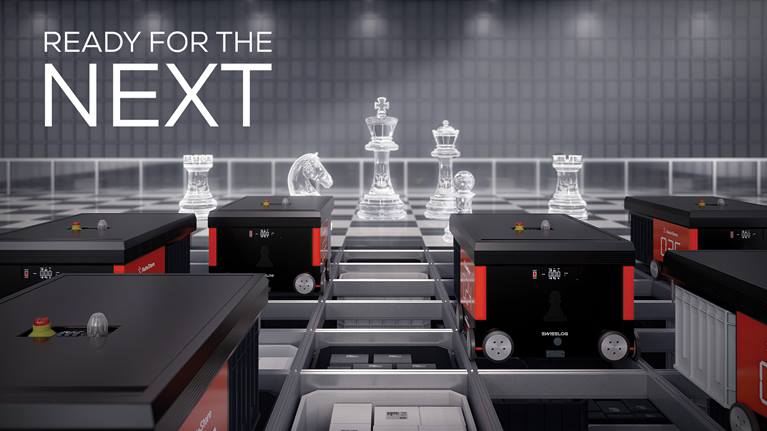
Todos estos aspectos se abordan en nuestro nuevo libro electrónico, Diseñando para lo que viene: automatización modular y orquestada por software para el comercio minorista. En él, los expertos en automatización de Swisslog analizan en profundidad los factores que están transformando el sector retail y comparten casos reales de clientes que demuestran cómo una solución preparada para el futuro puede redefinir las capacidades del almacenamiento.
Sea cual sea el punto en el que se encuentren dentro de su proceso de automatización, Diseñando para lo que viene ofrece claves y recomendaciones prácticas sobre los aspectos críticos para el éxito de las cadenas de suministro de productos generales. Además, los expertos de Swisslog están preparados para acompañarles en la identificación de la solución de automatización más flexible y adecuada para cada aplicación.