Preparación de pedidos inteligente en el sector alimentación para una cadena de suministro más rápida, ecológica y adaptable
El futuro de la logística del sector Alimentación y Bebidas es inteligente, ágil y escalable — un futuro posible solo gracias a redes de distribución automatizadas. ¿Es momento de replantear tus estrategias de cumplimiento?
Estudios de caso en la industria de la Alimentación y Bebidas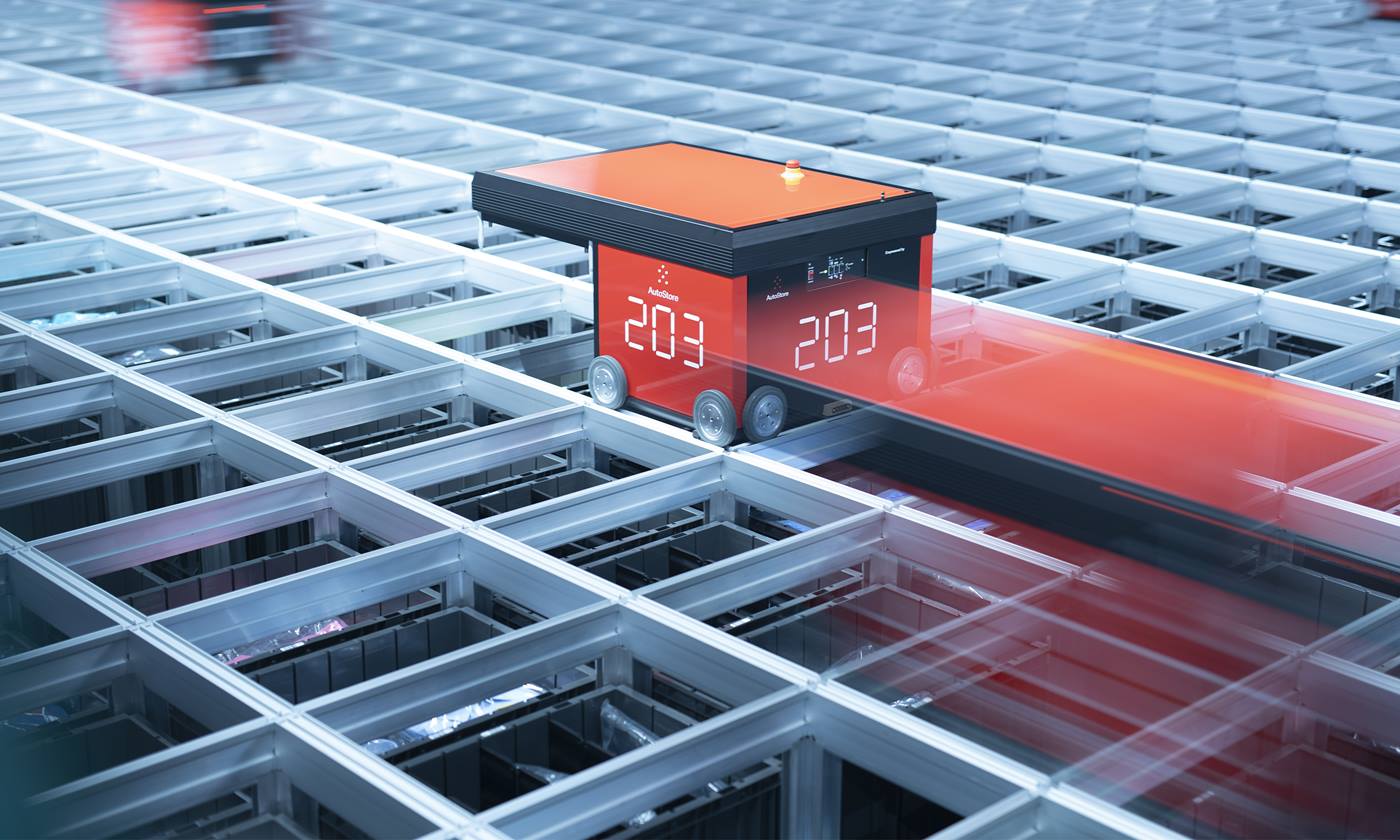
Soluciones para la cadena de suministro del sector : Automatización integrada, robótica avanzada y software basado en datos
- Modular y escalable. Una amplia gama de tecnologías de automatización adaptadas a las necesidades específicas del sector de comestibles, ya sea que estés optimizando el reabastecimiento de tiendas o ampliando la capacidad de comercio electrónico.
- Implementación flexible. Acelera tu retorno de inversión con mini centros de distribución (micro fulfillment center) de rápida implementación, diseñados para una adaptabilidad a largo plazo.
- Eficiencia. Garantiza una gestión oportuna, reduce el desperdicio y prolonga la vida útil de los productos.
- Complejidad simplificada. Gestiona sin problemas productos refrigerados, congelados y a temperatura ambiente en un sistema integrado — control de calidad desde el muelle hasta la puerta.
- Software inteligente. Conecta y orquesta cada capa de tu operación, asegurando precisión de inventario en tiempo real, reabastecimiento y reposición basado en la demanda y visibilidad total en todos los canales.


Las ventajas de la automatización hablan por sí solas, pero la relación que tenemos con Swisslog aporta sus propios beneficios. Hay un verdadero espíritu de colaboración en nuestra forma de trabajar.

Estamos encantados de poner en marcha esta instalación de distribución alimentaria emblemática en el Reino Unido. Nestlé y Swisslog son socios estratégicos de confianza para XPO.

Gestionamos distintos productos y diferentes zonas de temperatura. Entregamos y recogemos muy rápidamente, y realizamos la entrega de un pedido online de supermercado en un plazo de una a tres horas. La tecnología respalda todo el proceso.

Realmente he disfrutado trabajando con Swisslog. La integración del sistema en el entorno es donde la experiencia y el conocimiento marcan la diferencia.

Soluciones reconocidas y galardonadas
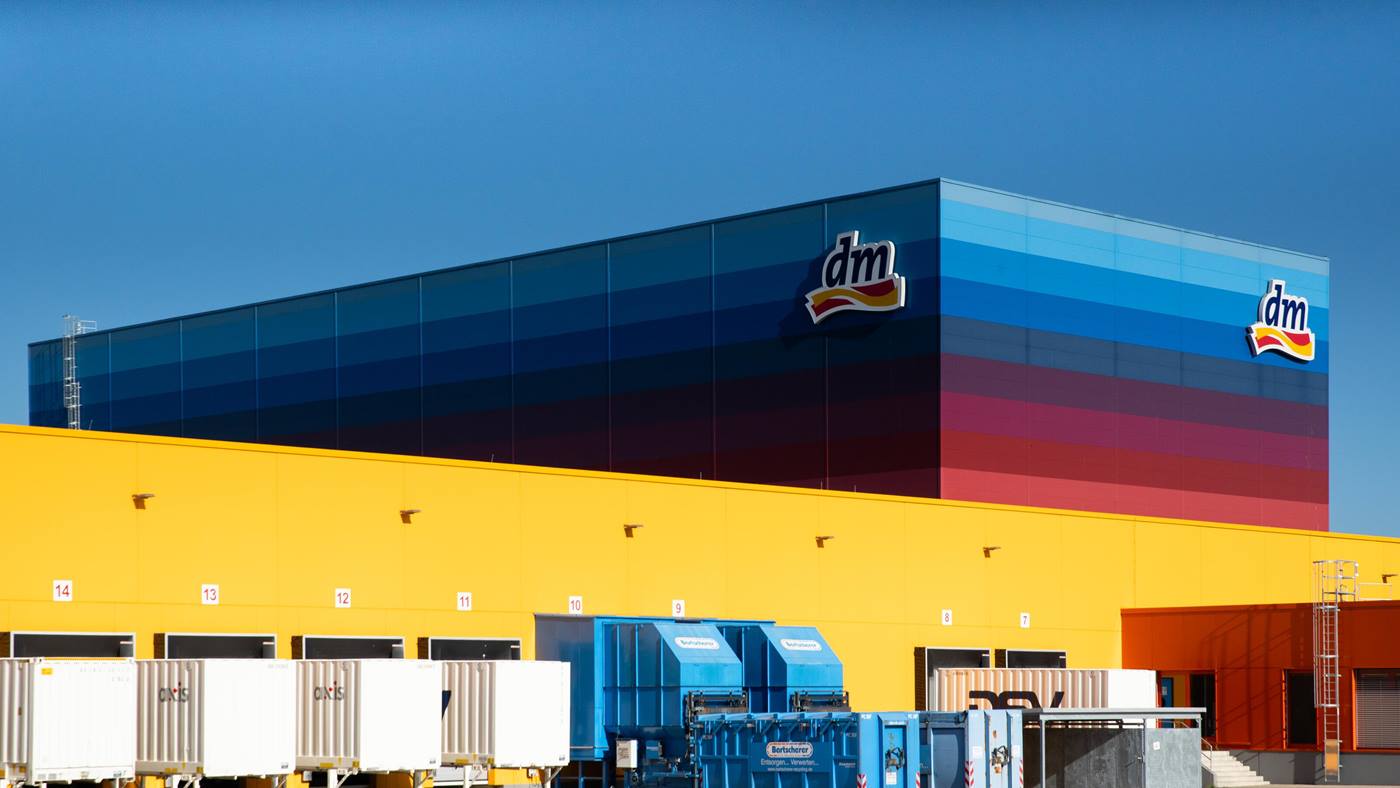
Premio Alemán de Logística 2020 y Premio Europeo de Logística 2021 por nuestro proyecto insignia con dm-drogerie markt, la cadena de supermercados más grande de Europa.

Proyectos en el sector Alimentación
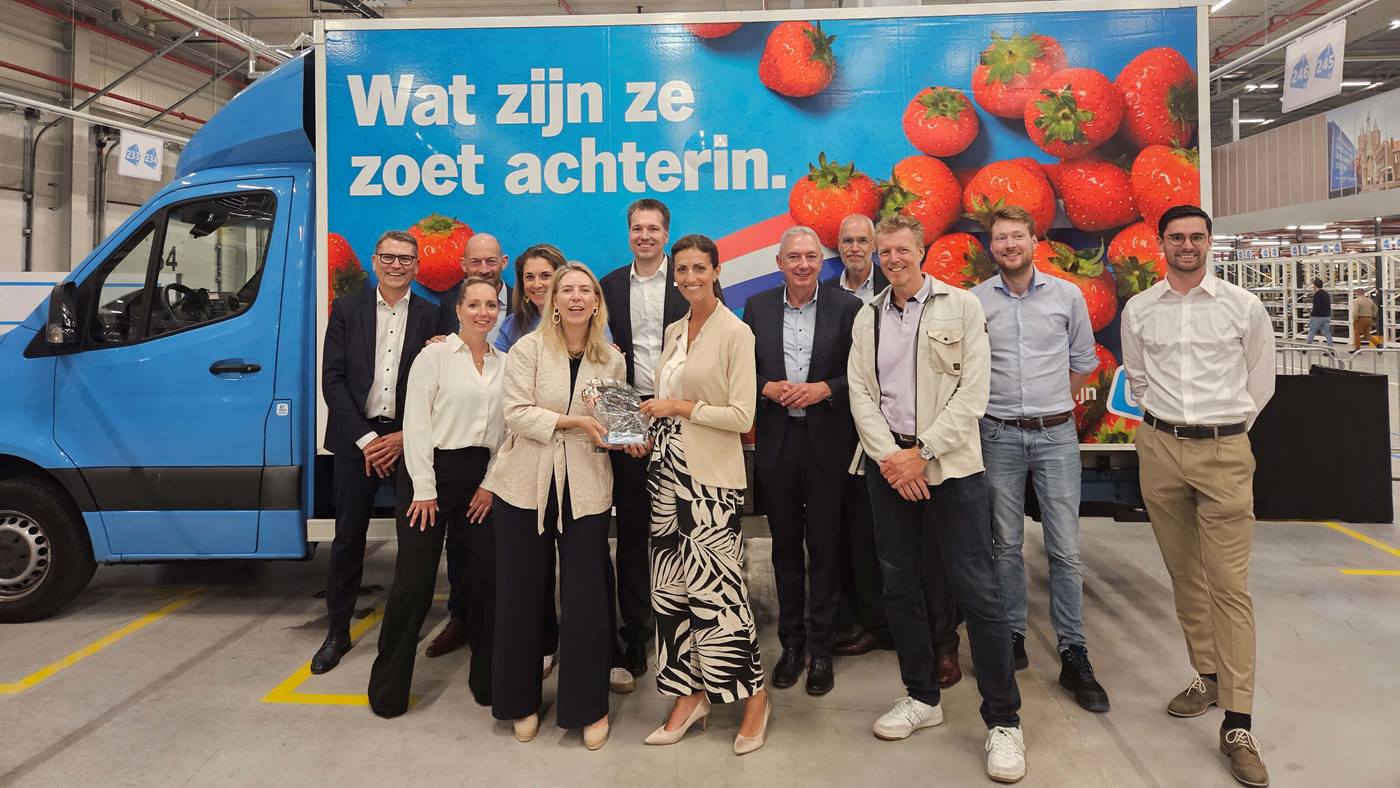
Retailers y empresas de la Gran distribución como Coop, Albert Heijn y Nestlé, desde distribución centralizada hasta preparación de pedidos en supermercados de proximidad.

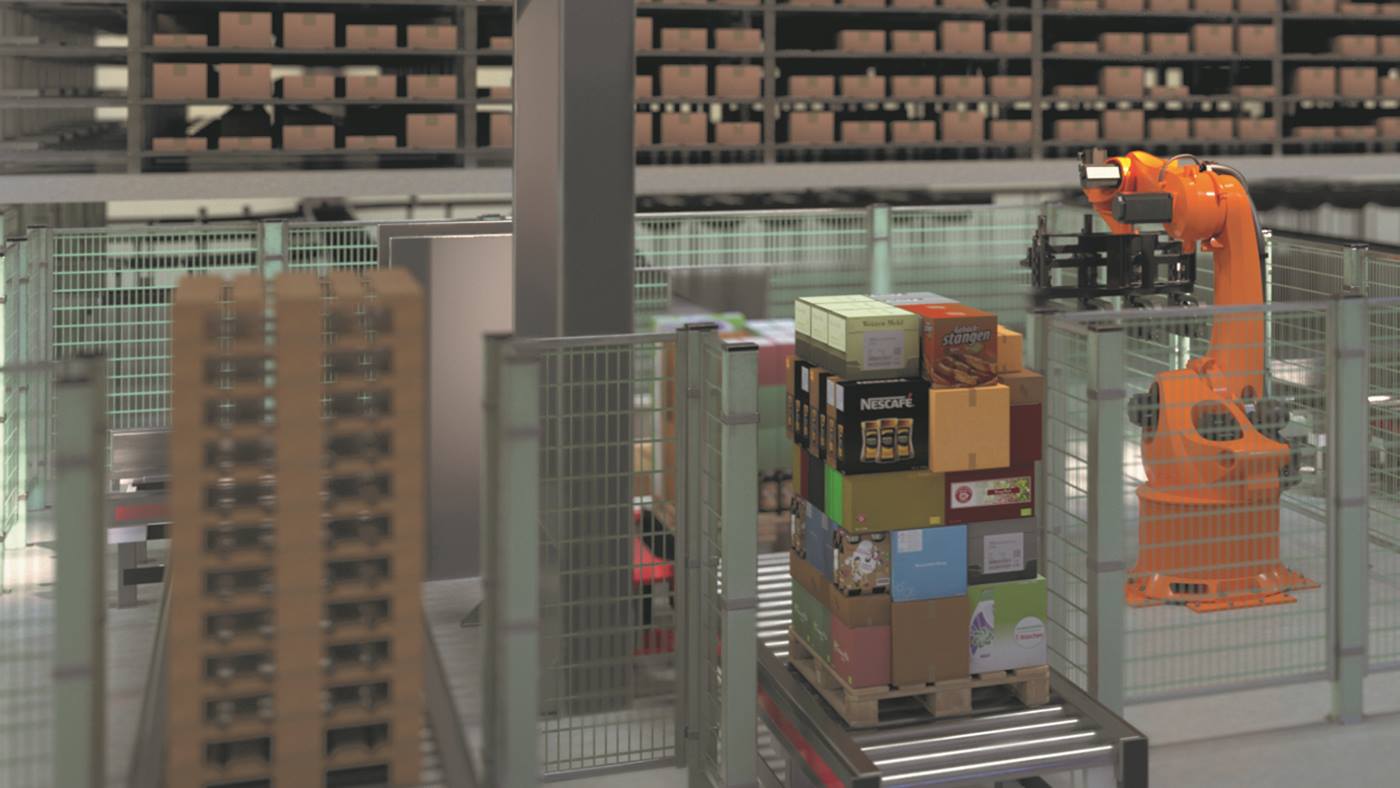
Cajas por hora de cargas de palets multiproducto listas para entrega al cliente
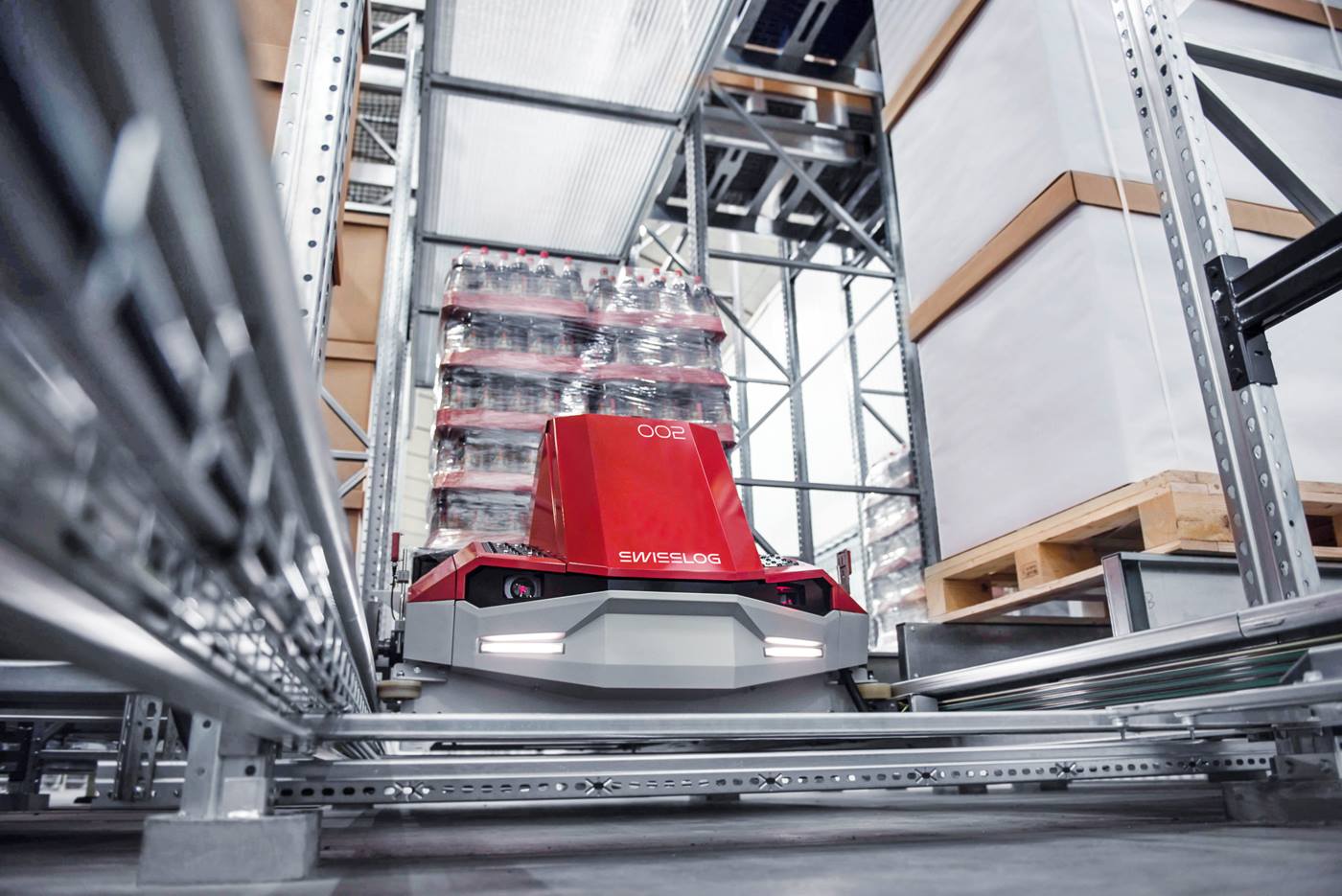
Manipulación rápida, delicada y precisa utilizando el sistema escalable Swisslog ACPaQ.

Partner N.1 de automatización para las compras online
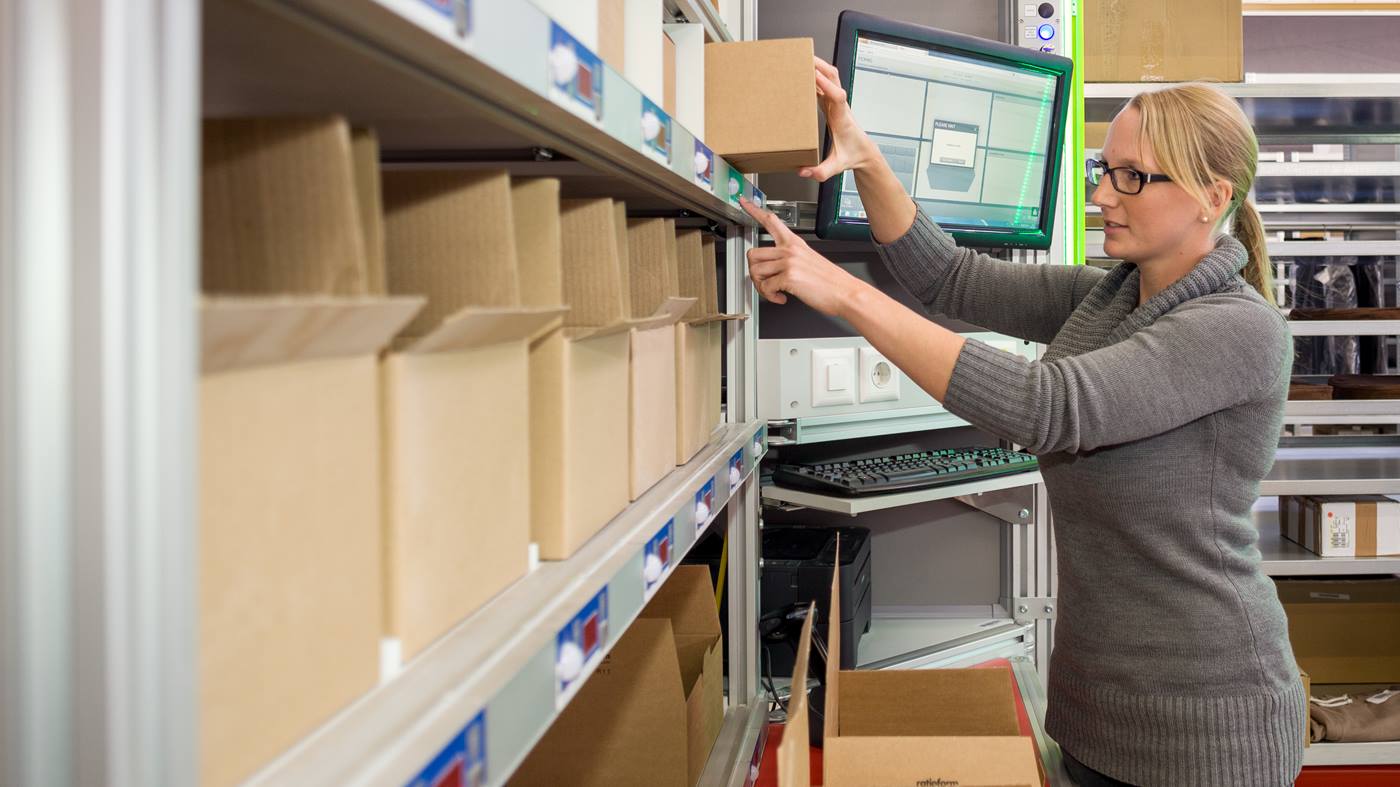
Proyectos de gestión de pedidos para el e-commerce implementados en todo el mundo. Software de picking rápido para envíos de pedidos sin errores a los clientes.
Más perspectivas de la industria de parte de nuestros expertos en automatización de productos alimenticios

Otras preguntas frecuentes: automatización de la preparación de pedidos de alimentación
¿Qué es la automatización de la preparación de pedidos de alimentación?
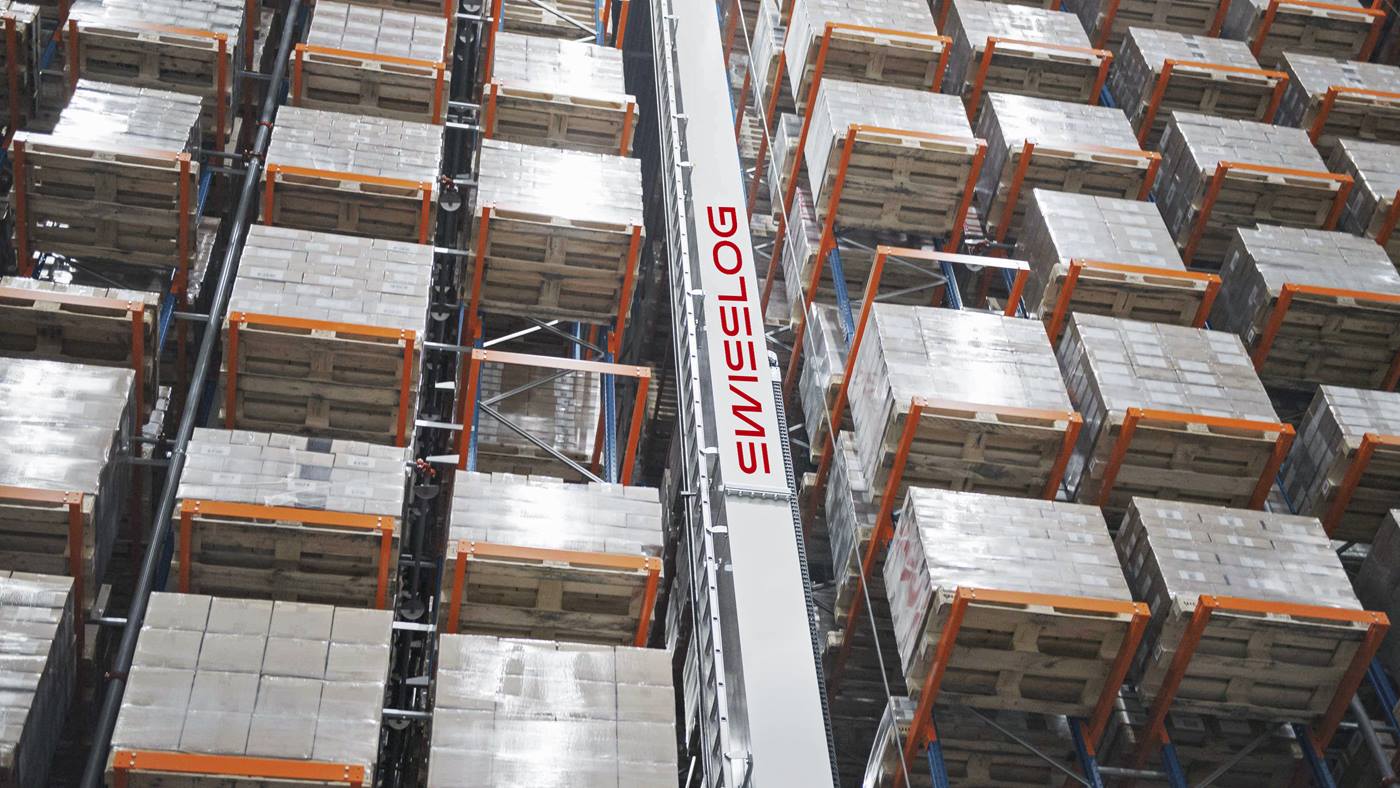
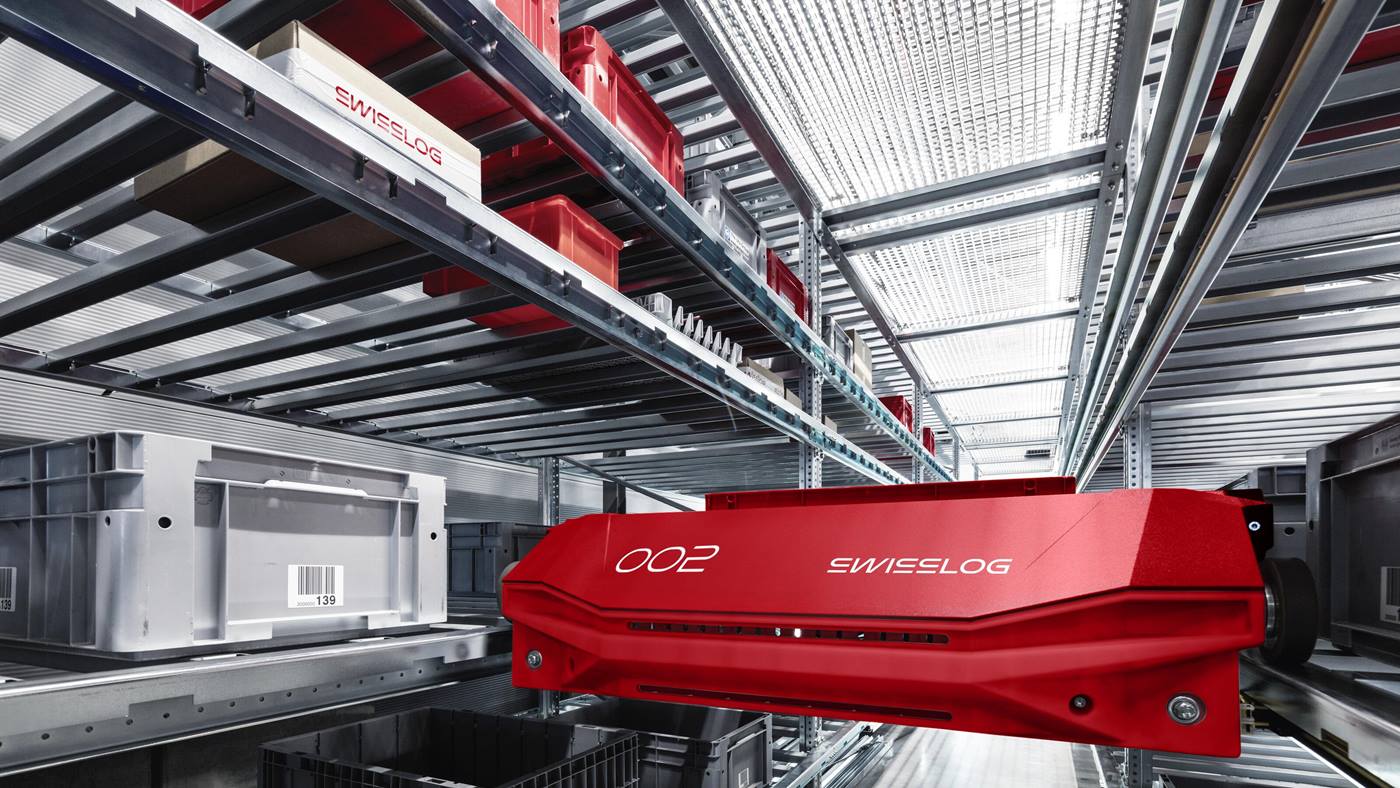
La automatización de la preparación de pedidos de alimentación hace referencia a sistemas automatizados de almacenamiento, preparación y procesamiento de pedidos, como soluciones de mercancía a persona, sistemas AS/RS para palés y software de gestión de almacenes. Estos sistemas se utilizan para gestionar inventario de alimentos y bebidas en zonas de temperatura ambiente, refrigeradas y congeladas. Ayudan a los distribuidores a gestionar un elevado número de SKU, fechas de caducidad próximas y ciclos rápidos de reposición en diferentes canales como el suministro a tiendas, la recogida de pedidos online (el click & collect) y los canales de entrega online.
¿Puede un único sistema de automatización de almacenes de alimentación gestionar productos a temperatura ambiente, refrigerados y congelados?
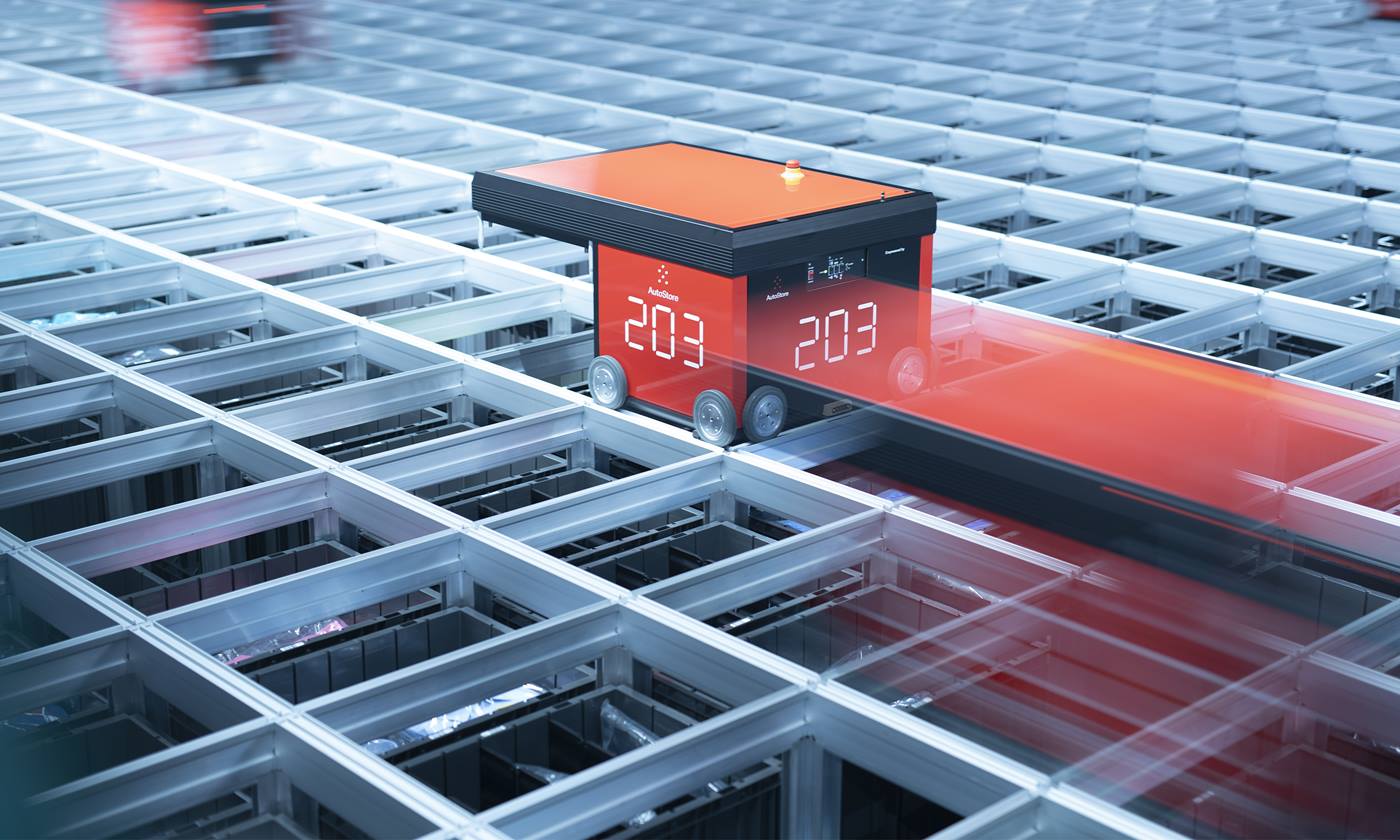
Sí. Los sistemas diseñados específicamente para este fin, como las instalaciones AutoStore preparadas para operar en varias zonas de temperatura, pueden gestionar un stock de mercancia a temperatura ambiente, refrigerado y congelado en un único centro de distribución de alimentación, sin necesidad de disponer de tres operaciones independientes. Esto reduce el espacio necesario y la complejidad, al tiempo que cumple los requisitos de temperatura de cada categoría de producto.
¿Qué es un centro de distribución regional en la logística de alimentación?
Un centro de distribución regional, o RDC, es una instalación local de preparación de pedidos de alimentación, de menor tamaño y situada en una zona de población clave, en lugar de una única gran instalación nacional. Los RDC permiten a las cadenas de supermercados y distribuidores de alimentación abastecer con mayor rapidez a las tiendas locales y atender los pedidos online, al tiempo que reducen las distancias y los plazos de entrega.
¿Sigue siendo relevante el micro-fulfillment para las cadenas de tiendas de alimentación y bebidas?
El micro-fulfillment experimentó una fuerte adopción inicial en Europa y Estados Unidos, así como un interés temprano en mercados como Australia. Sin embargo, ese interés se ha moderado en varias regiones. Muchos operadores de alimentación y bebidas prefieren ahora un modelo regional de preparación de pedidos: menos almacenes automatizados, pero de mayor tamaño, ubicados en zonas pobladas y capaces de gestionar tanto la recogida de pedidos como la entrega local.
¿Qué deben evaluar las empresas del sector de la distribución de alimentación antes de invertir en la automatización de un centro de distribución?
Los actores de la distribución de alimentación deben evaluar su gama de SKU y los requisitos de las zonas de temperatura, los volúmenes de pedidos actuales y previstos en todos los canales, los costes de mantenimiento del inventario frente al riesgo de rotura de stock y la forma en que la automatización podrá escalar durante un periodo de cinco a diez años, no solo en el momento de la puesta en marcha. Un proceso de diseño basado en datos, en lugar de una solución estándar, permite crear una solución de automatización de almacenes adaptada a la red específica y a los planes de crecimiento del minorista.