The big pallet debate: Lessons from 27 years in pallet automation
1. The best way to understand a customer’s problem is to be in their shoes
Before joining Swisslog, I came from a packaging background. My first real encounter with materials handling was not as a vendor or engineer, but as the person commissioning the warehouse. That experience of understanding the decisions, pressures, and priorities from the customer side has shaped how I approach every project since.
2. The fundamentals of pallet storage have not changed, even if the technology has
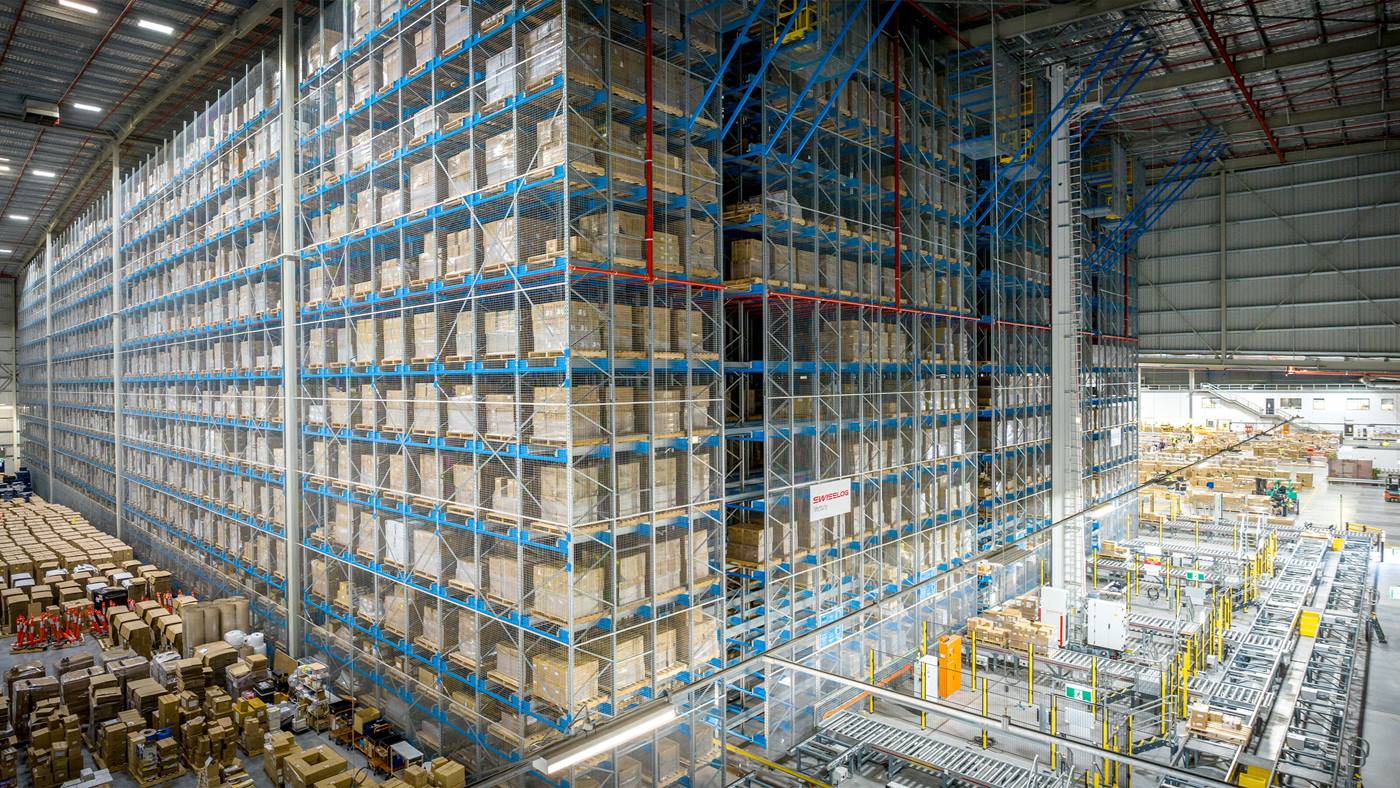
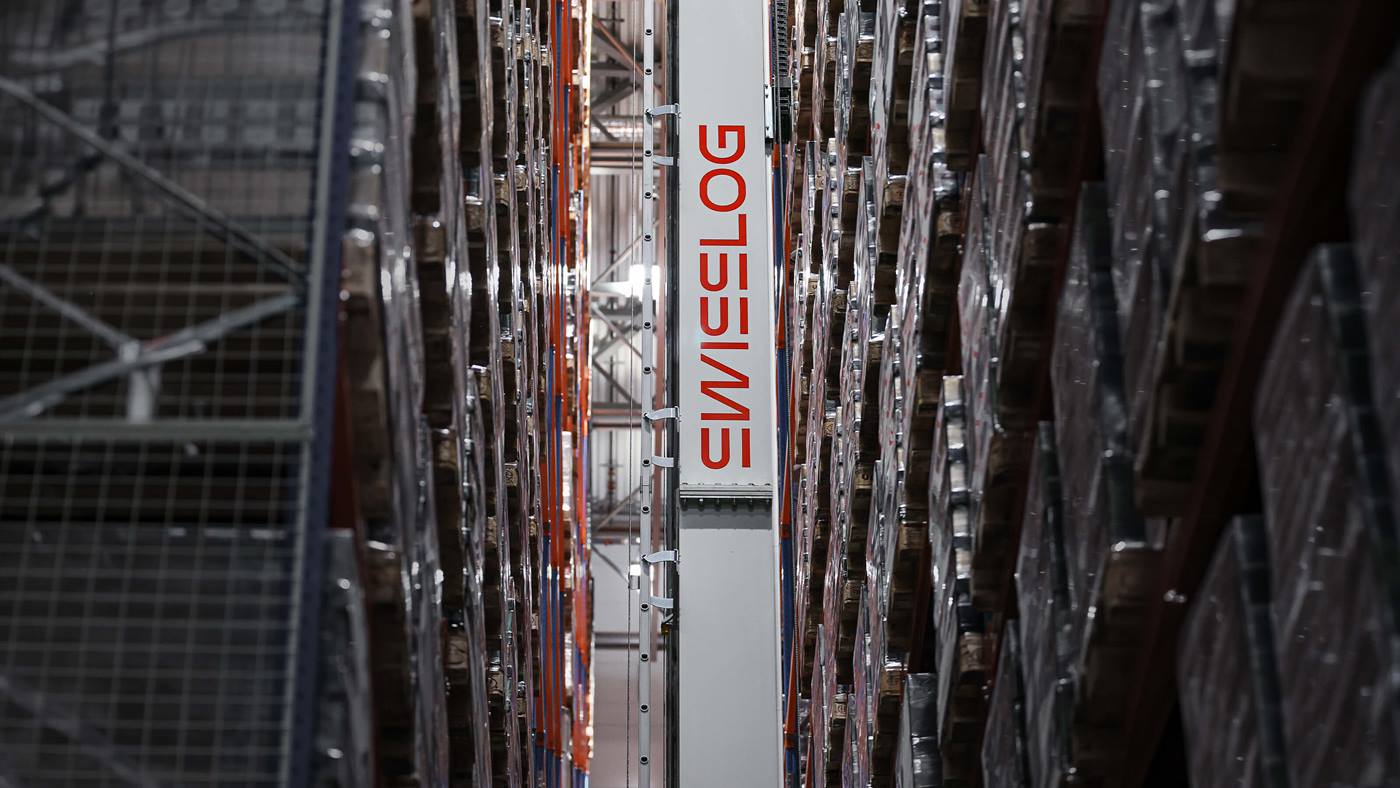
Swisslog has been building stacker cranes for more than 50 years. The core challenge those cranes were designed to solve — maximizing storage within a fixed footprint by using vertical height — is the same challenge customers bring today. Technology evolves, but the underlying problem does not.
3. SKU range is one of the most important variables in any pallet automation decision
There is no universal right answer in pallet automation. The appropriate technology depends heavily on how many SKUs a customer holds. A food and beverage manufacturer running large batches from a range of 500 to 1,000 SKUs has very different needs from a retailer managing tens of thousands of SKUs. Getting that analysis right before selecting a technology is essential.
4. Double-deep storage is not obsolete
Despite growing excitement around roaming shuttle systems and mobile robotics, double-deep remains a strong choice in the right context. For customers with a wide SKU range who need to balance storage capacity with throughput, it continues to offer the best of both. Newer does not automatically mean better.
5. Flexibility has become as important as throughput
In industries like retail and e-commerce, where order profiles and operational demands shift year on year, the ability to adapt a system quickly has become a competitive requirement. Technologies like roaming pallet shuttles and AMRs address this directly. They can be rerouted, scaled and reconfigured in ways that fixed conveyor systems cannot.
6. AMRs offer real advantages, but fixed conveyor still has a place
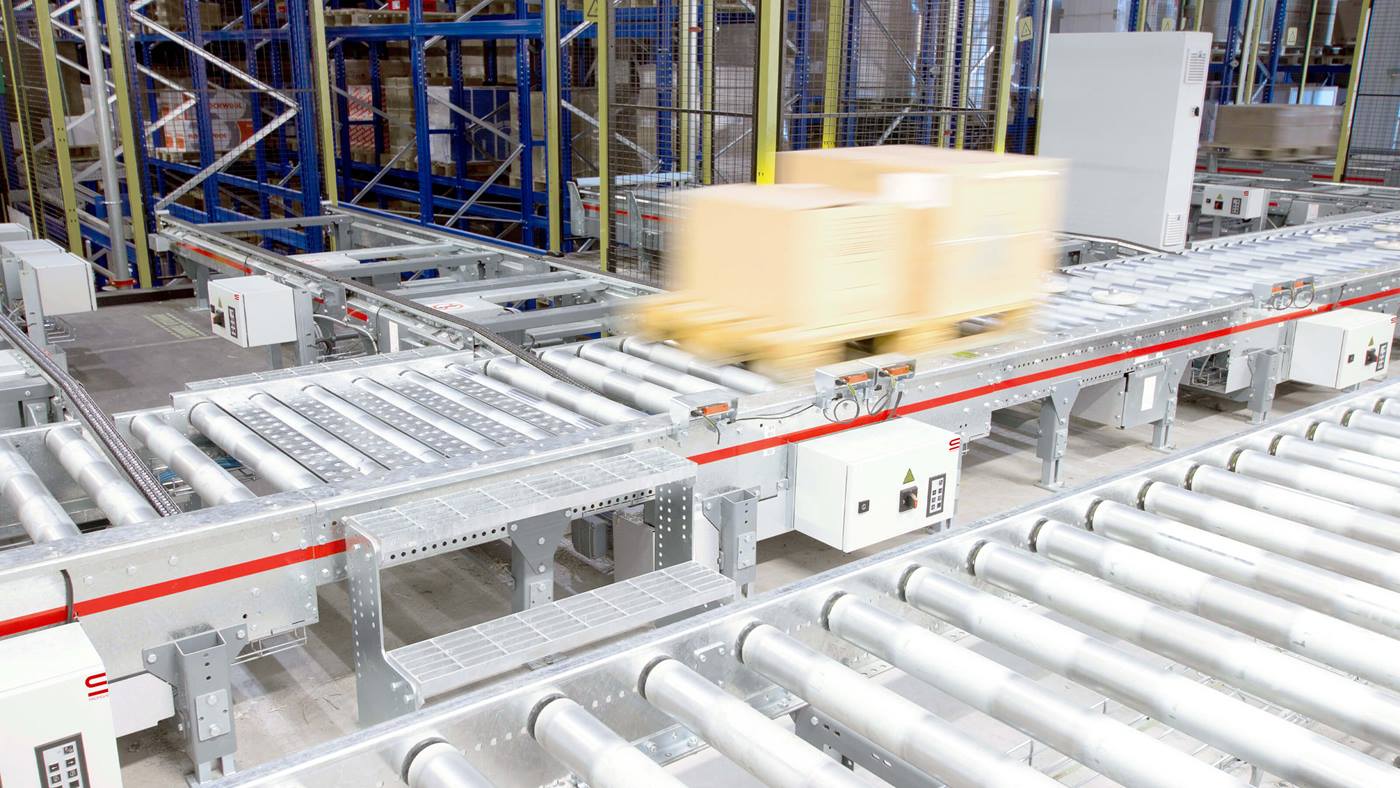
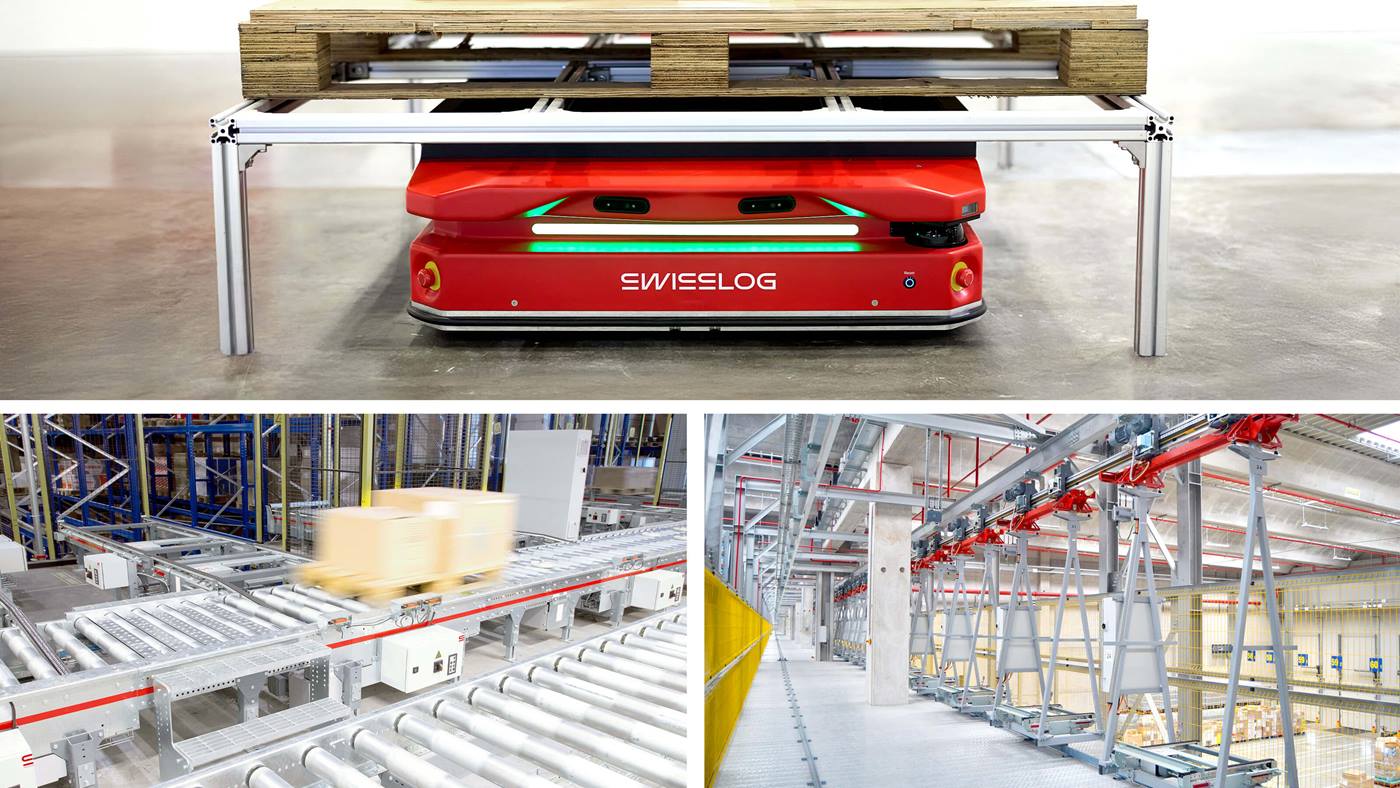
I see significant potential in AMR technology at the front end of pallet storage systems, particularly in food and beverage environments where clean floors, flexible access and direct connections to production lines all matter. Starting with a small fleet and adding vehicles as volumes grow is a genuine operational advantage. But fixed conveyor still makes sense where requirements are stable and well understood over the long term.
7. The most honest thing a vendor can do is tell a customer when the traditional solution is still the right one
Our industry is naturally drawn to new technology. But after more than 27 years, my view is straightforward: the goal is to find the best fit for each customer, not to sell the newest product. For some customers, a mature and well-proven stacker crane remains the most appropriate and most cost-effective solution. Recognizing that, and saying so, is what good consultation looks like.