Smart grocery fulfillment for a faster, greener, adaptive supply chain
The future of grocery logistics is intelligent, agile and scalable — a future only made possible by automated distribution networks. Is it time to rethink your fulfillment strategies?
Grocery industry case studies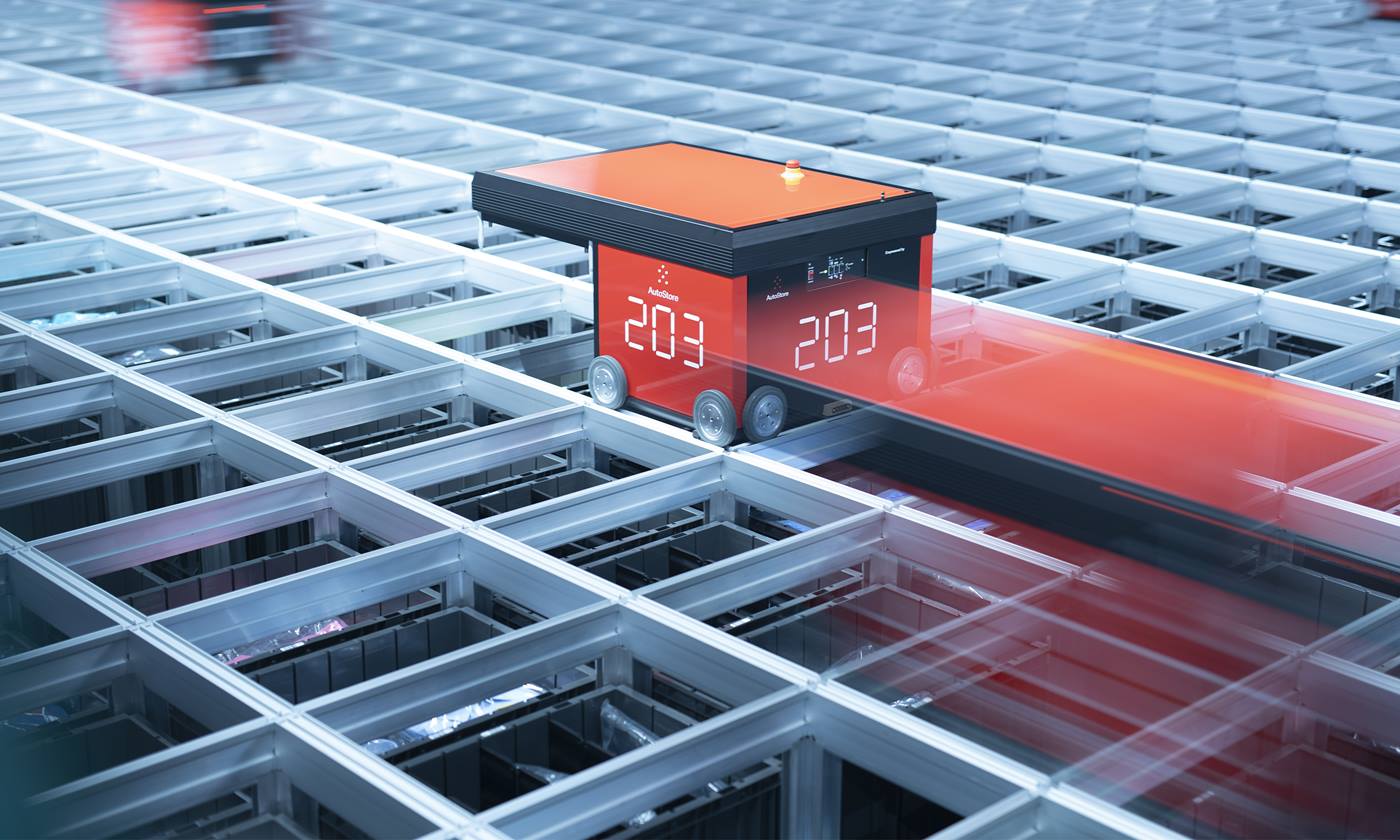
Grocery supply chain solutions: Integrated automation, advanced robotics and data-driven software
- Modular and scalable. A wide range of automation technologies tailored to the specific needs of grocery, whether you’re optimizing store replenishment or expanding e-commerce capacity.
- Flexible implementation. Accelerate your time-to-value with fast-to-deploy, micro-fulfillment centers built with long-term adaptability in mind.
- Efficiency. Ensure timely handling, reduced waste and extended product shelf life.
- Simplified complexity. Seamlessly manage chilled, frozen and ambient goods in one integrated system — quality control from dock to doorstep.
- Intelligent software. Connect and orchestrate every layer of your operation, ensuring real-time inventory accuracy, demand-driven replenishment and full visibility across channels.
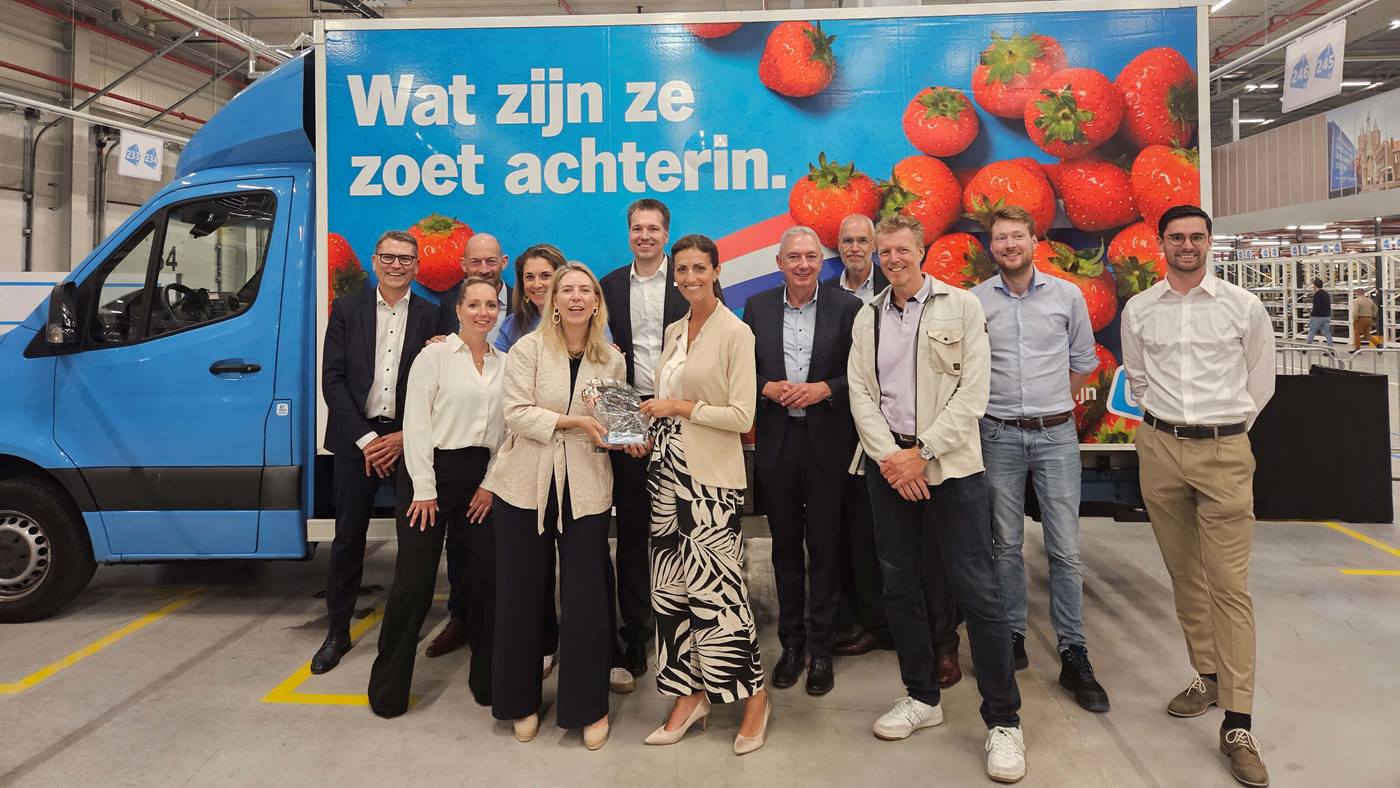

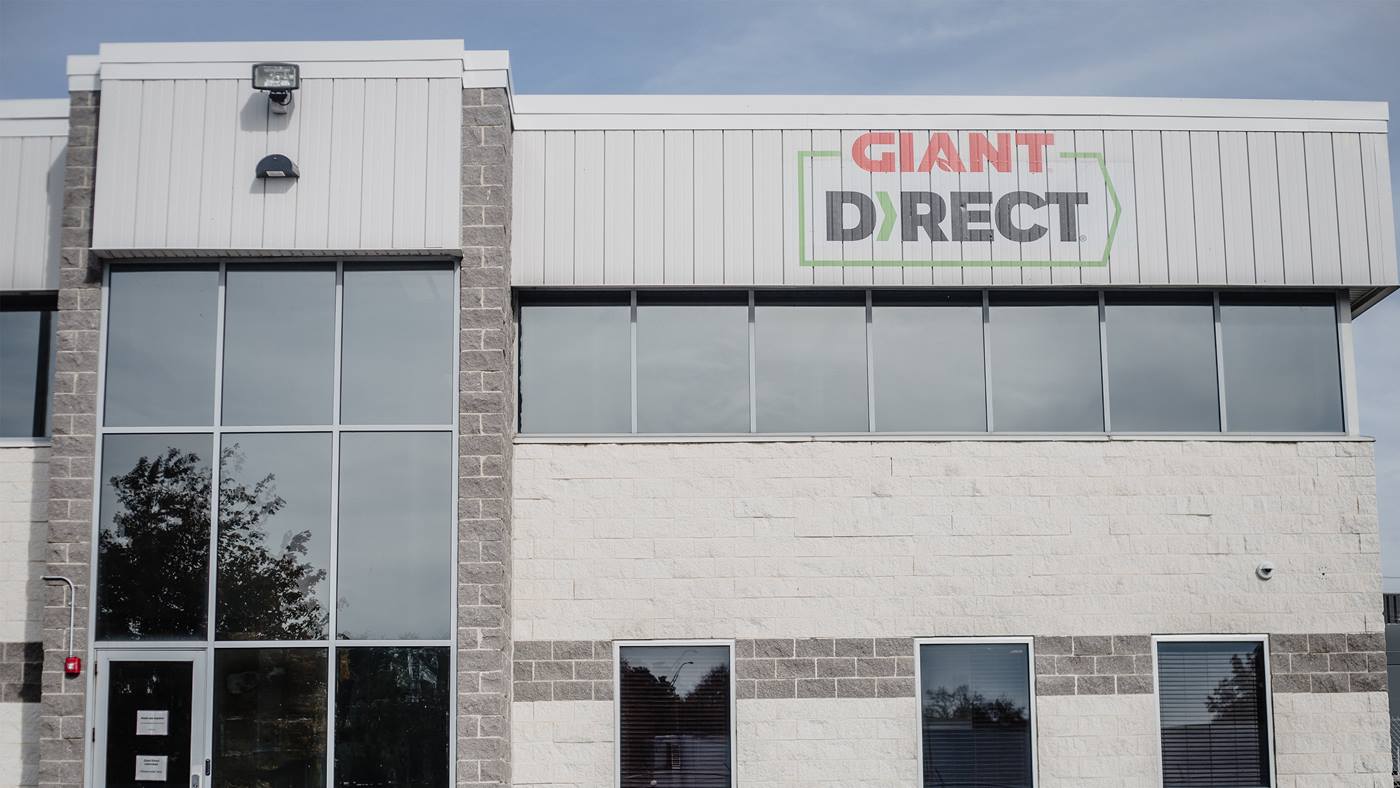

The benefits of the automation speak for themselves, but the relationship we have with Swisslog brings its own benefits. There’s a real collaborative feel about the way that we work.

We’re delighted to launch this milestone food distribution facility in the U.K. Nestlé and Swisslog are trusted strategic partners of XPO.

We cover different products, different temperature zones. We deliver and pick very quickly and achieve one to three hours e-grocery delivery. The technology supports the process.

I really enjoyed working with Swisslog. Integrating the system into the environment is where expertise and experience really come into play.

Award-winning solutions

grocery projects

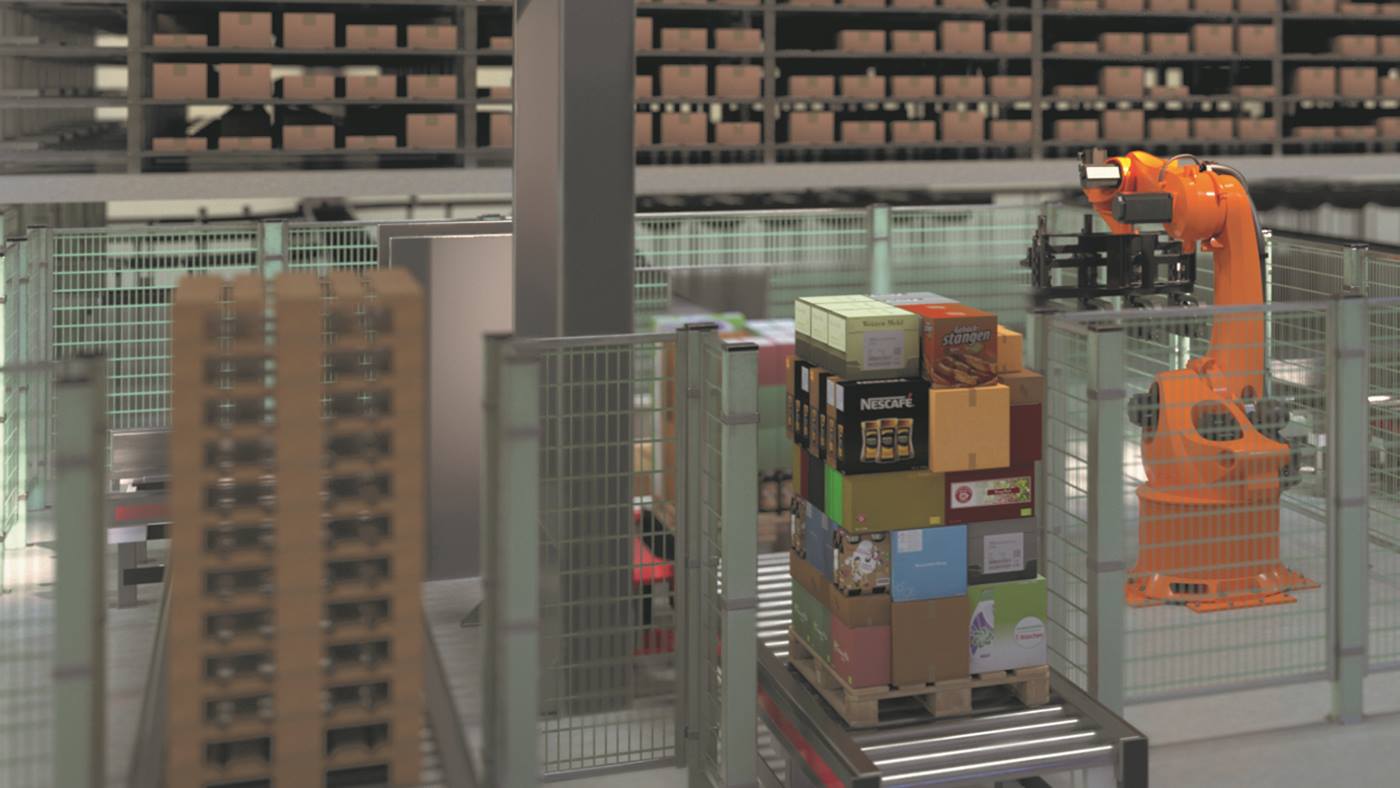
cases per hour of multi-product pallet loads ready for customer delivery

e-grocery automation partner
More industry insights from our grocery automation experts

People also asked: Grocery fulfillment automation
What is grocery fulfillment automation?
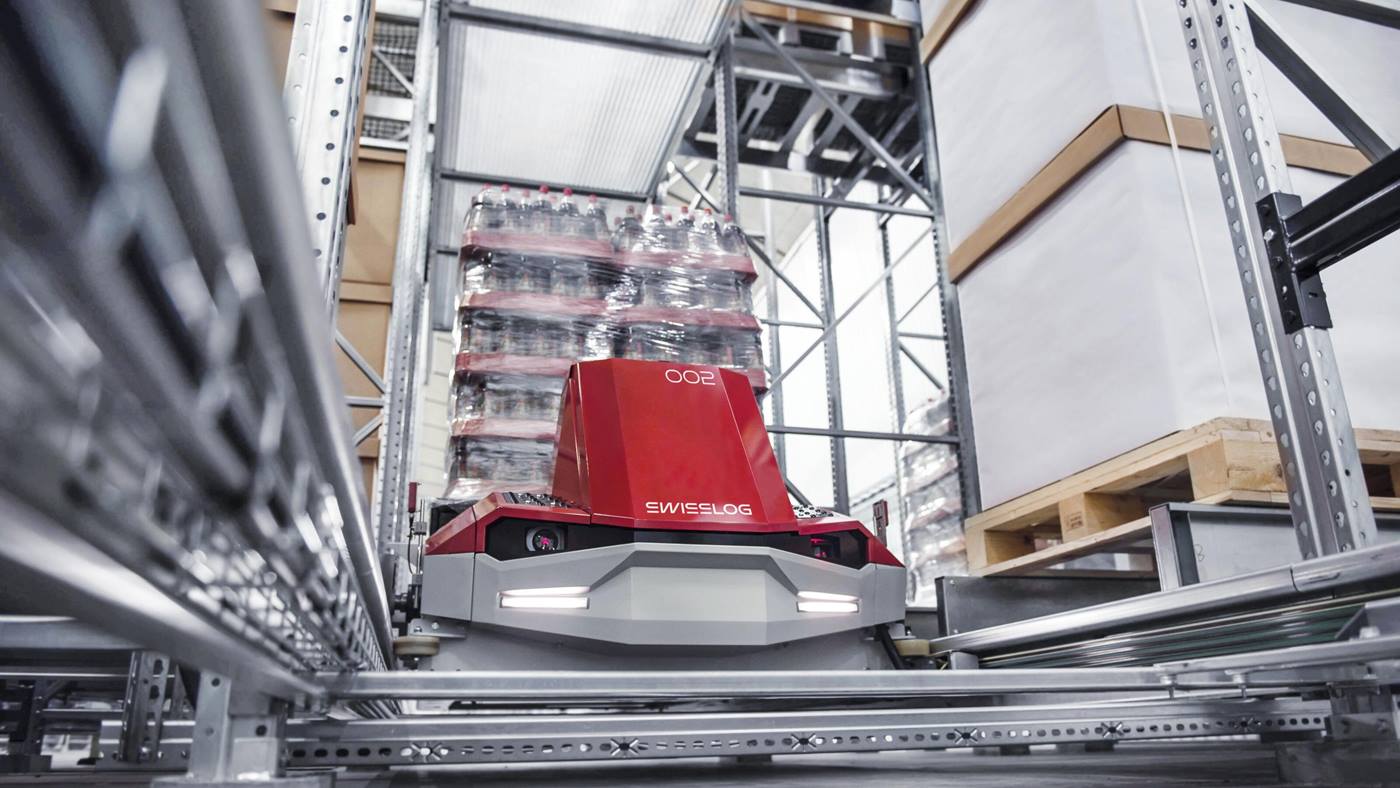
Grocery fulfillment automation refers to automated storage, picking and order-processing systems, such as goods-to-person storage, pallet ASRS and warehouse management software, used to manage grocery and food and beverage inventory across ambient, chilled and frozen zones. It helps distributors handle high SKU counts, tight use-by dates and fast replenishment cycles across store, click-and-collect and online delivery channels.
Can a single grocery warehouse automation system handle ambient, chilled and frozen products?
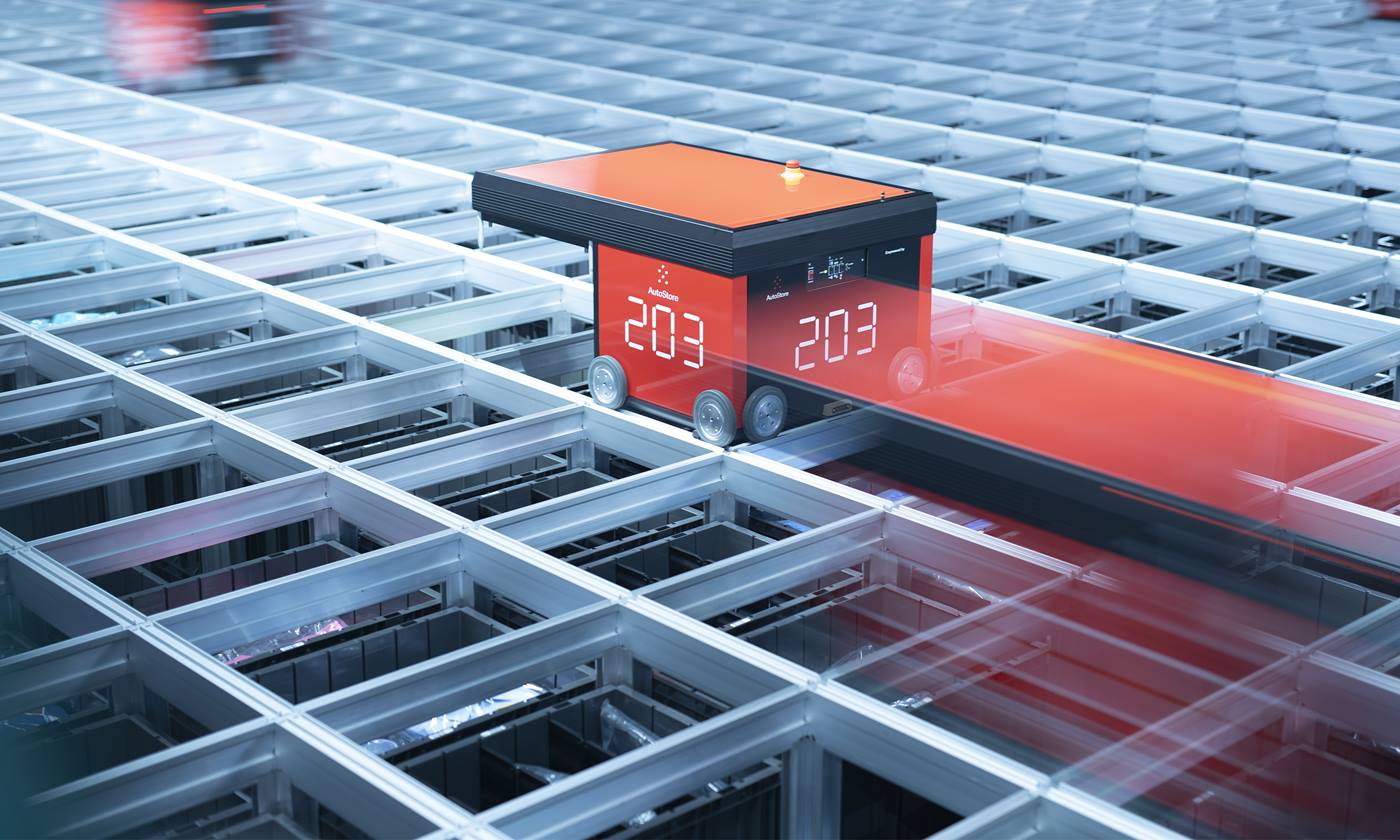
Yes. Purpose-built systems, such as AutoStore installations designed for multi-temperature use, can manage ambient, chilled and frozen inventory within a single grocery distribution center rather than requiring three separate operations. This reduces footprint and complexity while still meeting the temperature requirements of each product category.
What is a regional distribution center in grocery logistics?
A regional distribution center, or RDC, is a smaller, localized grocery fulfillment site positioned within a key population area, rather than a single large national facility. RDCs let grocery retailers serve local stores and online orders faster while keeping delivery distances and lead times short.
Is micro-fulfillment still relevant for grocery and food and beverage retailers?
Micro-fulfillment saw strong early adoption in Europe and the US and initial interest in markets like Australia, but that interest has cooled in several regions. Many grocery and food and beverage operators are now favoring a regional fulfillment model instead: fewer, larger automated warehouse sites in populated areas that support both pick-and-collect and local delivery.
What should grocers evaluate before investing in grocery distribution center automation?
Grocers should evaluate their SKU range and temperature zone requirements, current and projected order volumes across all channels, inventory holding costs versus out-of-stock risk, and how automation will scale over five to ten years, not just at launch. A data-driven design process, rather than a standard package, produces a warehouse automation solution suited to the retailer's specific network and growth plans.
Automation components, industrial robotics, transportation & production systems, AI-powered software & visualization. All in one place.