Swisslog installs New Zealand’s first retail AutoStore system for IKEA
11 พฤษภาคม 2569
Swisslog, a global leader in warehouse automation and intralogistics solutions, has successfully delivered New Zealand’s first retail AutoStore Automated Storage and Retrieval System (ASRS) for IKEA at its Sylvia Park store, marking a significant advancement in automated fulfilment capabilities in the region.
The installation represents a milestone for both companies, bringing high-density robotic storage and picking technology into a live retail environment for the first time in New Zealand. Designed, integrated, and implemented by Swisslog, the solution enables faster, more accurate and scalable order fulfilment to support growing e-commerce demand.
Retail fulfilment reimagined for the in-store environment
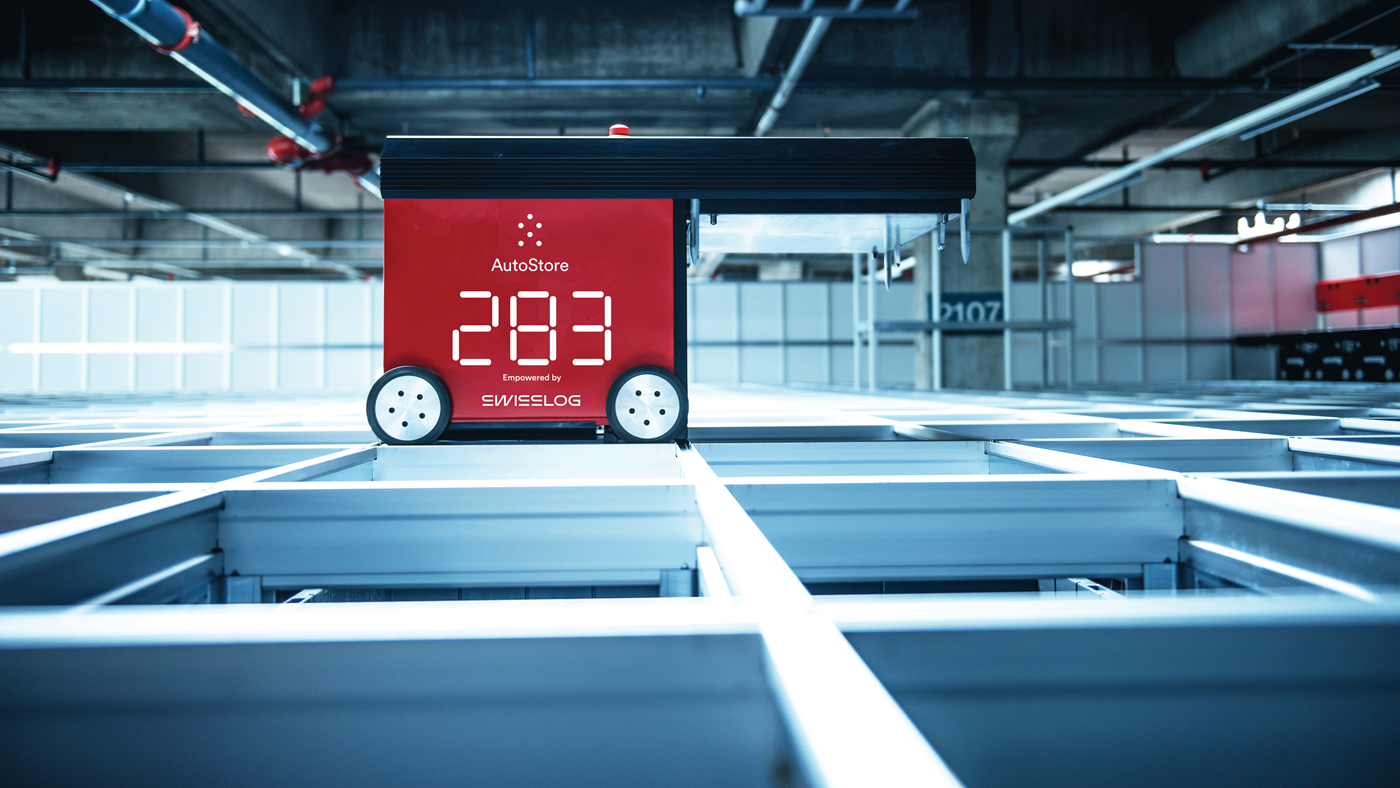
At IKEA Sylvia Park, the AutoStore system has been purpose-built to support fast, accurate fulfilment of online and click-and-collect orders within a live retail setting. Located in the IKEA Sylvia Park store’s back-of-house warehouse area, the solution removes the need for co-workers to manually pick items from the Market Hall floor, instead using robots to retrieve products and deliver them directly to ergonomic picking stations.
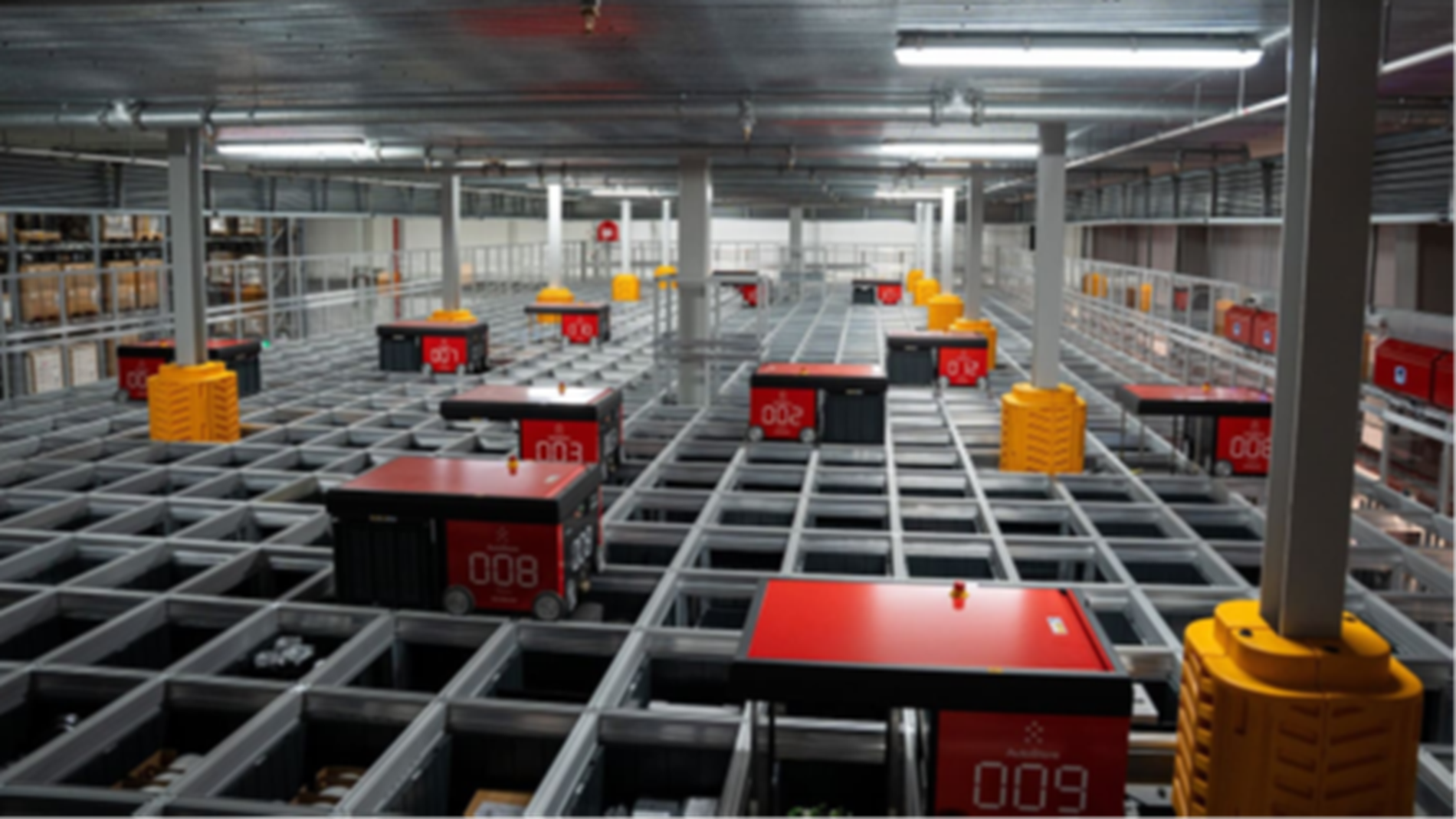
The system stores approximately 3,000 high-demand products across 10,000 bins within a compact grid, maximising space utilisation while ensuring rapid access to inventory. When an order is placed, robots navigate the grid to locate the required bins and present them to operators, who pick and consolidate items for dispatch or customer collection.
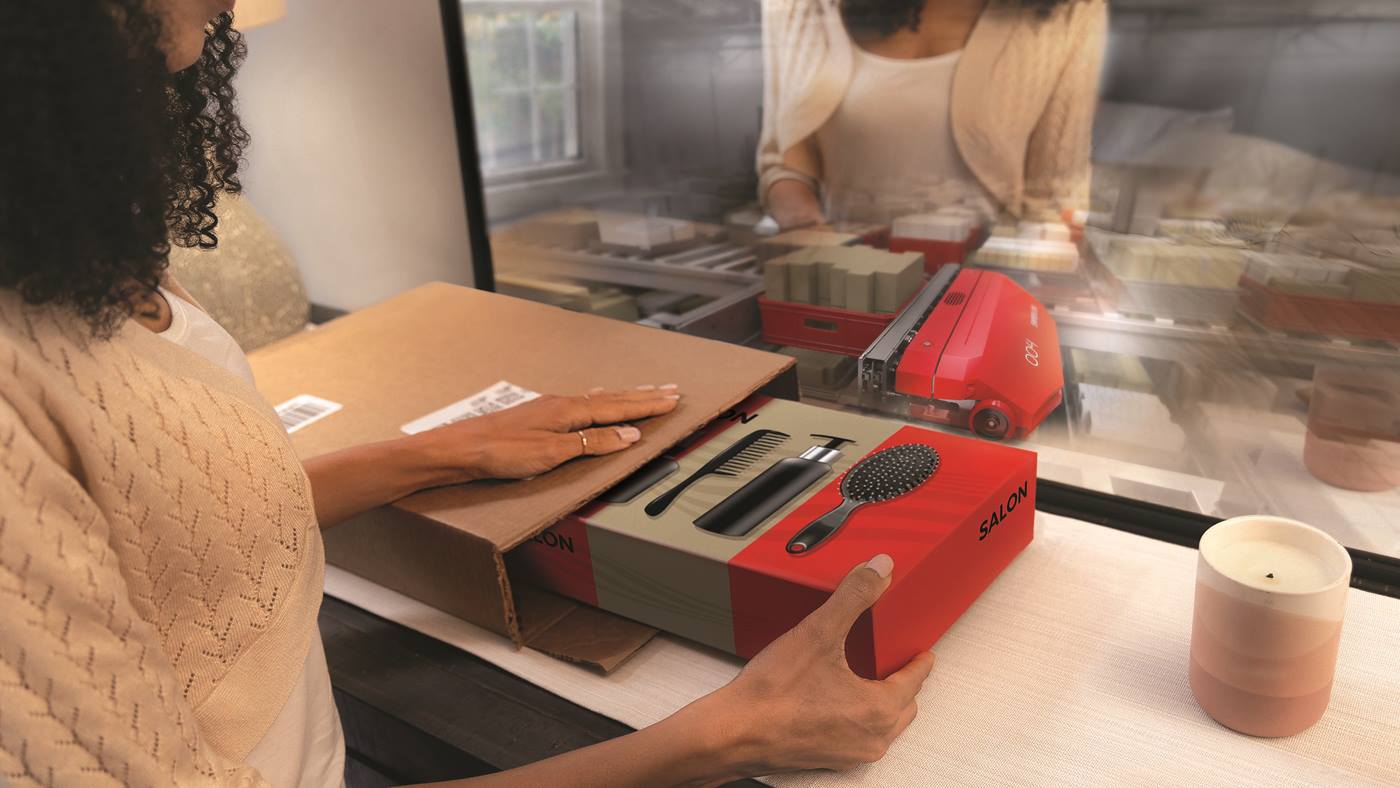
This goods-to-person approach significantly reduces walking time, improves picking accuracy, and enhances workplace safety, while enabling seamless integration between automated and conventional picking processes. Orders that include items outside the system are efficiently merged before final fulfilment, ensuring a smooth end-to-end customer experience.
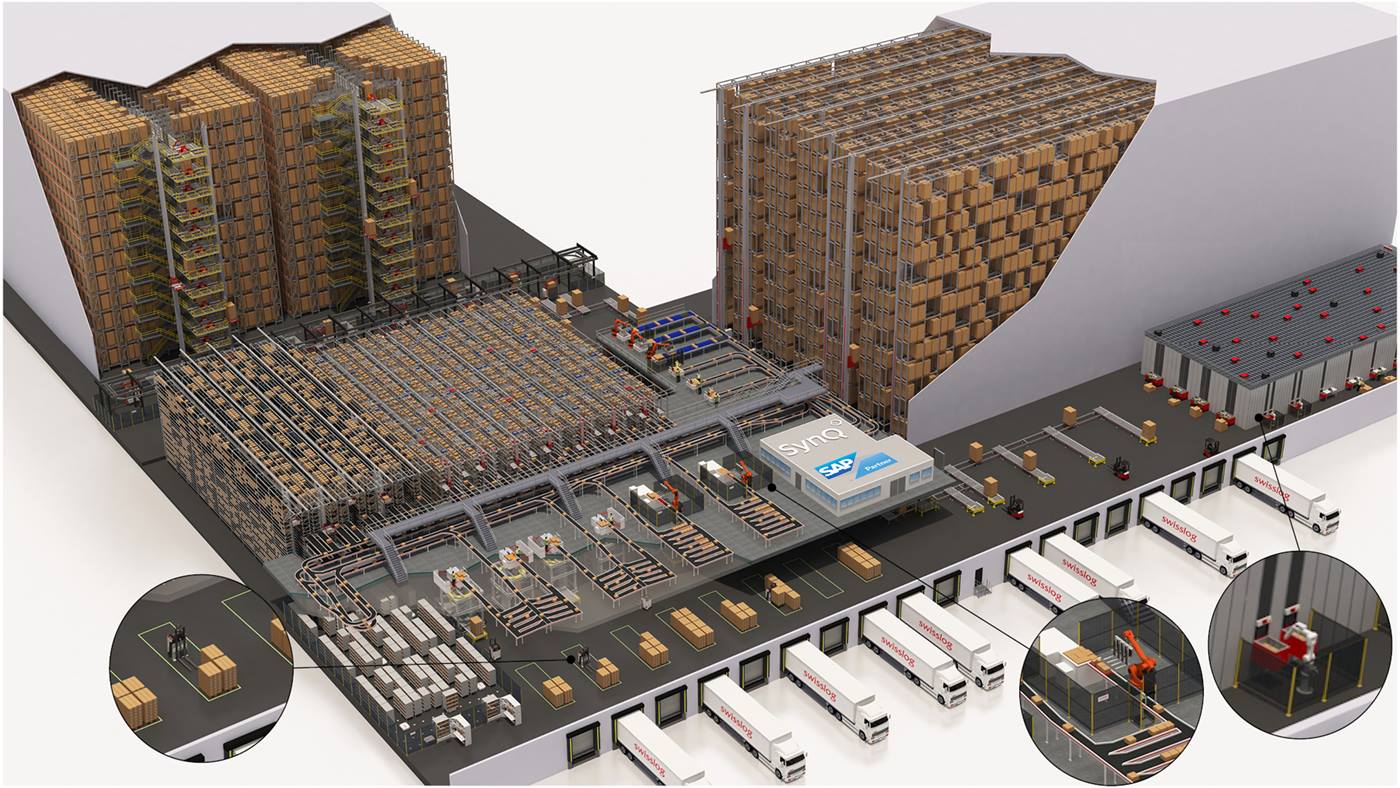
The same AutoStore technology is available in Australia, where it has been adopted for fast-moving consumer goods, retail, and e-commerce environments, as part of more than 400 proven Swisslog installations worldwide.
“This project demonstrates how advanced automation can be seamlessly integrated into a retail environment to transform fulfilment performance. By combining AutoStore technology with Swisslog’s integration expertise, IKEA is now equipped with a highly efficient, scalable solution that supports both current demand and future growth,” says Steve Dimitrovski, Sales Director, Swisslog Australia and New Zealand.
Tenfold improvement in picking speed
With 12 robots operating at any one time, the system can pick up to 200 items per hour, a tenfold increase on conventional manual picking, which averages around 20 items per hour. The solution is designed to scale to more than 500 orders per day, well above the current trend of around 210 orders daily.
Around half of all parcel orders will now be picked and completed within the automated system before being dispatched on last-mile delivery vehicles. The remaining orders are combined with items picked from conventional racking, ensuring efficient fulfilment across a broad product range.
“AutoStore is a huge leap forward in how we serve customers across Aotearoa. Since opening, we’ve seen incredibly strong demand for online shopping, and this technology allows us to fulfil orders faster, more accurately and more sustainably. By bringing products directly to our co-workers, we’re removing one of the most repetitive parts of the job and creating a safer, more efficient process that ultimately gets IKEA orders out to New Zealand customers sooner,” says Johanna Cederlöf, Market Manager, IKEA New Zealand.
This AutoStore implementation was delivered jointly by IKEA and Swisslog, following successful automation projects for pallets and light goods handling globally. It is the first in-store AutoStore application for IKEA in the Australia and New Zealand region.
“As retailers across Australia and New Zealand continue to invest in omnichannel capabilities, projects like this highlight the increasing importance of flexible, high-density automation in meeting evolving customer expectations,” concludes Dimitrovski.