Grocery fulfillment automation: What operations leaders need to consider before they invest
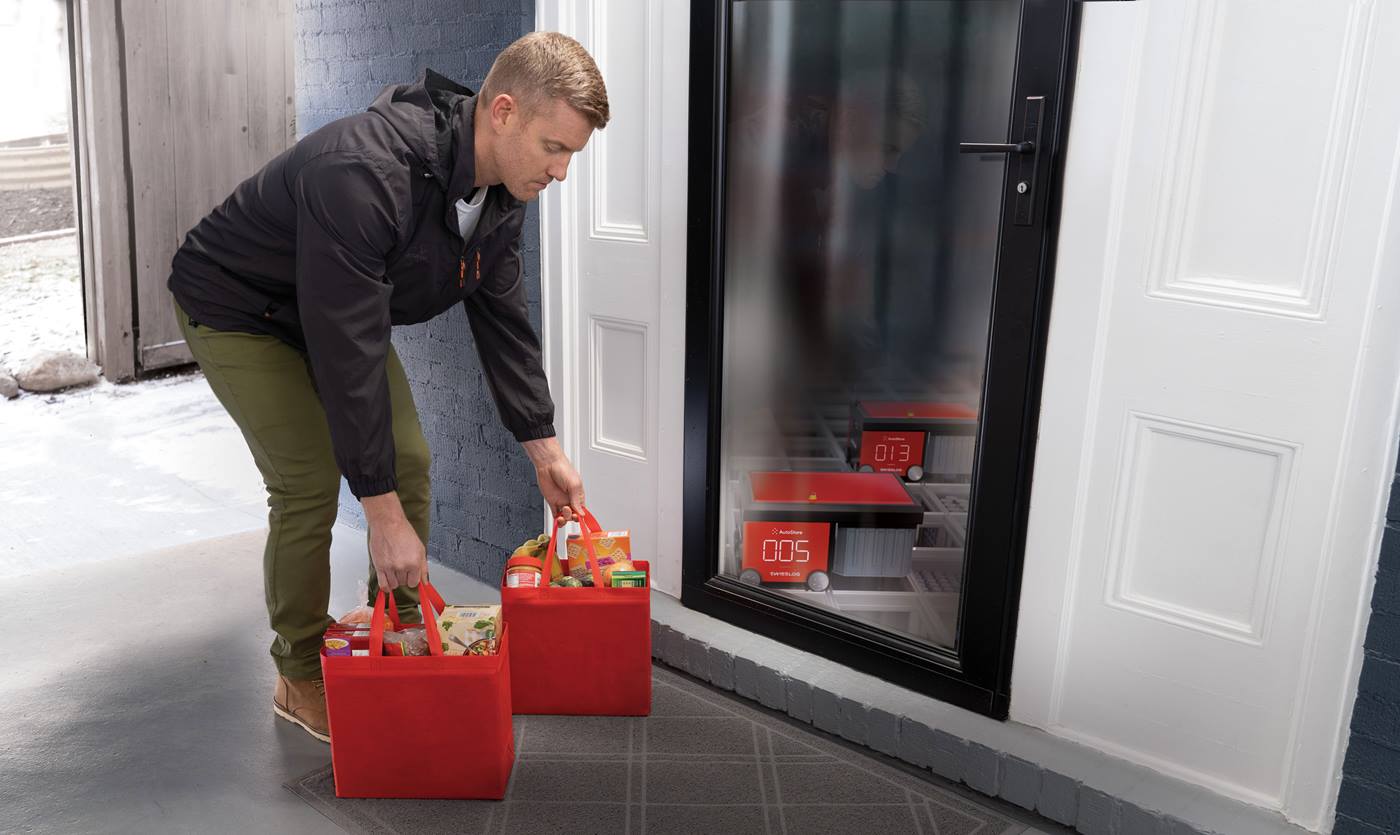
Grocery operators are under more pressure than general retailers to get fulfillment right. Shoppers expect the exact product they ordered, at the freshness they expect, delivered or ready for collection within a shrinking window. Get the inventory or the temperature handling wrong even slightly, and the customer simply buys their next basket somewhere else.
That pressure is pushing more grocery and food and beverage retailers toward automated fulfillment. Online grocery is now the fastest-growing channel in food and grocery retail globally, but grocery automation is not a smaller version of general merchandise automation. It has to account for multiple temperature zones in one building, thousands of SKUs with tight use-by dates, and delivery networks that differ meaningfully between a dense London postcode and a regional Australian city.
We put these questions to Steve Dimitrovski, Director Sales at Swisslog Australia and New Zealand, who works directly with grocery and food and beverage distribution projects on both sides of that equation: global automation patterns from Europe and North America, and what actually transfers to the Australian market. Here is what he says operators should be weighing before they commit.
Grocery fulfillment automation: Why it's harder than general retail
Grocery differs from general retail warehouse automation in three structural ways: the sheer breadth of SKUs carried, the need to manage ambient, chilled and frozen inventory simultaneously, and a promotion-heavy shopping pattern that swings demand week to week. Layer on a distribution network spanning many stores across many locations, all needing frequent, fast replenishment, and the design problem gets considerably harder than for a typical non-perishable retail network.
Consumer behavior has shifted the goalposts further. What used to be a straightforward store visit has expanded into online ordering, click-and-collect, and same-day or next-day delivery, all layered on top of in-store shopping. Retailers now have to serve all of these channels from a shared inventory pool without letting any one of them run out of stock.
Multi-Temperature Zones in a Grocery and Food & Beverage Distribution Center
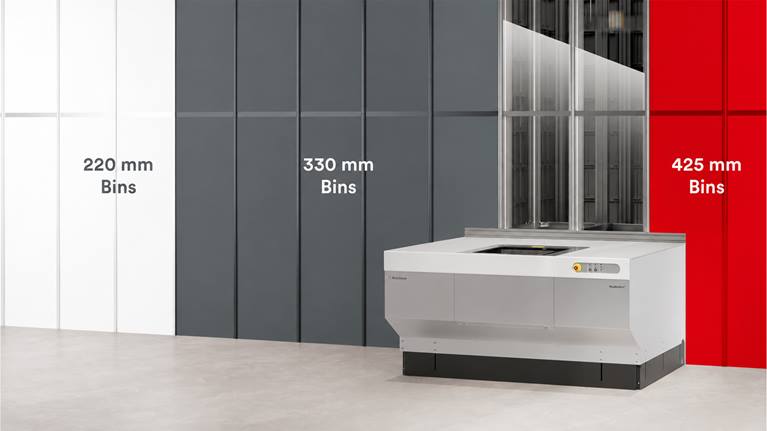
Combining ambient, chilled and frozen product in a single automated facility used to mean running three separate operations under one roof. Swisslog's work with French distributor La Reserve shows a different approach: a purpose-built AutoStore solution handling all three temperature zones from one system, sized for a regional distribution center rather than a national one.
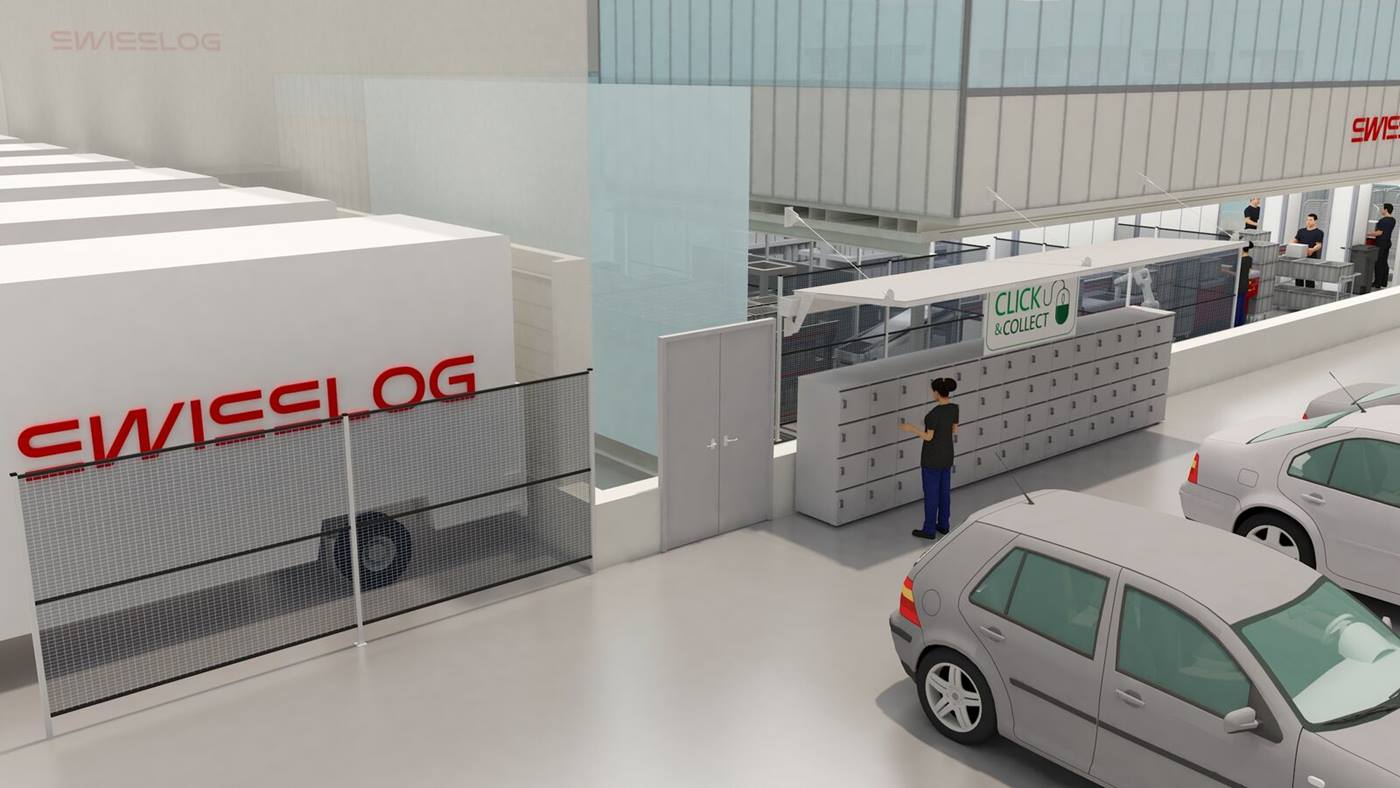
PRODUCT SPOTLIGHT — Multi-Temperature AutoStore Design
The La Reserve project combined ambient, chilled and frozen storage in a single AutoStore solution built for a regional distribution center footprint. It let the retailer service its local area efficiently while keeping speed to market and customer satisfaction high, without operating three separate systems.
Sizing Grocery Warehouse Automation to Actual Demand
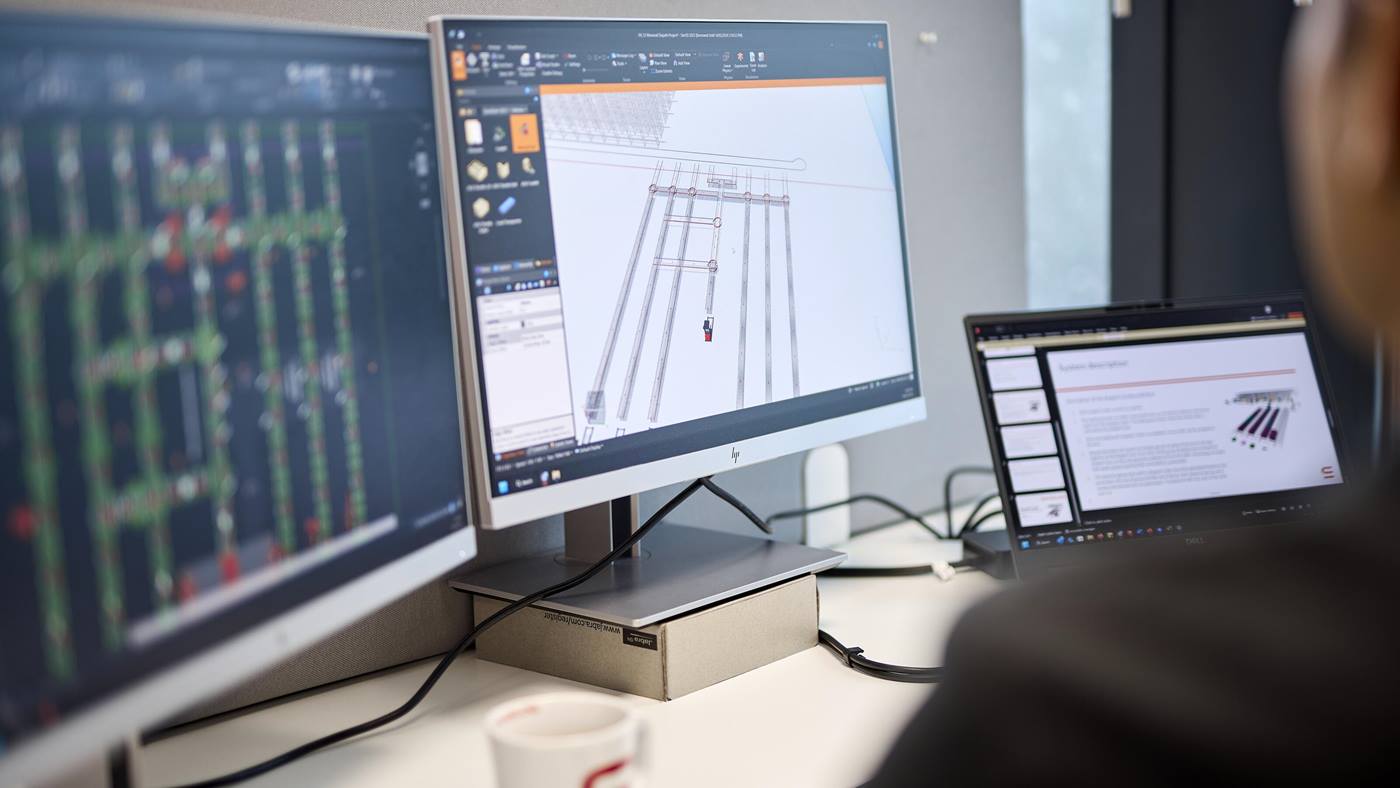
Every grocery and food and beverage automation project should start the same way: with data, not a product catalog. Swisslog approaches each project as a blank sheet of paper, sitting down with a retailer's operations, finance and demand planning teams before any equipment is specified. That data is analyzed for trends, overlaid with the growth the retailer is targeting, and stress-tested with sensitivity analysis so the resulting design holds up as volumes change, not just on day one.
That process also determines what should not be automated, an approach consistent with broader material handling industry practice. Fast-moving seasonal job lots, for instance, are often better picked directly off the floor by operators than fed into automated storage, since routing them through automation just adds double handling for stock that will move within days anyway.
----
TIP — AUTOMATE WHERE ITS ADDS VALUE
A right-sized solution uses automation selectively. Seasonal fast movers and short-lived job lots are often better picked straight off the floor than routed through automated storage, avoiding unnecessary handling steps for stock that turns over quickly.
----
The payoff for getting this right is flexibility that compounds. Retailers that partner on automation typically aren't signing up for a two or three year rollout; Swisslog frames these as ten to twenty year partnerships, because the network design has to keep scaling as the retailer's channel mix and store footprint evolve.
Inventory Precision in Grocery Distribution Centers

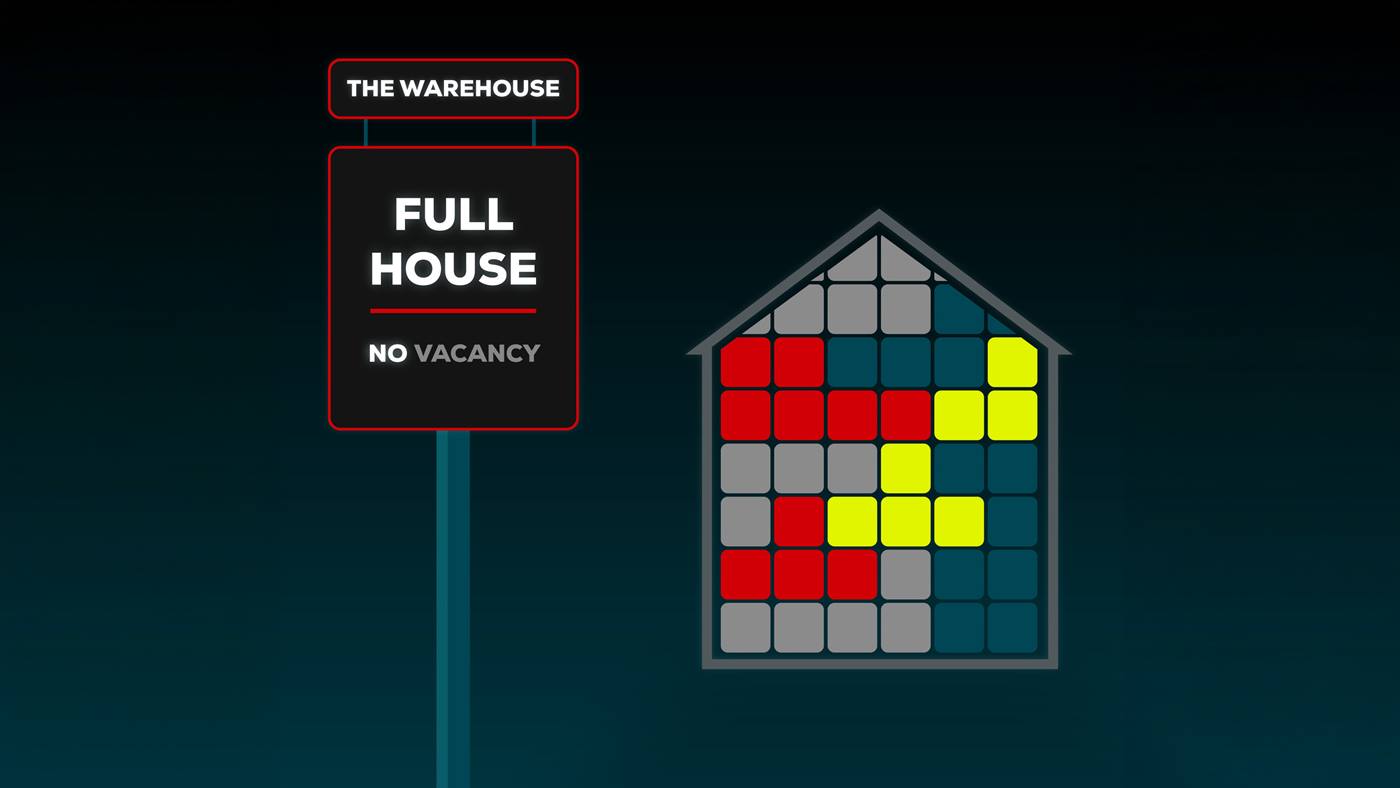
The biggest challenge is minimising your inventory holdings: the amount of cash you've got dedicated to inventory, and having the right inventory in the right location to service that customer efficiently.
That balance, between capital tied up in stock and the risk of an empty shelf, is what most directly determines whether an automated grocery fulfillment strategy actually works. Getting it wrong in either direction is expensive: too much inventory ties up cash and increases the risk of waste on perishable lines; too little drives out-of-stocks that push shoppers to a competitor.
Brand and product loyalty make the stakes higher than they might first appear. Grocery shoppers get frustrated when they receive a substitute for a specific item, and a pattern of unmet orders is often enough to send them elsewhere.
Consumers are just not that brand loyal [to supermarkets]. If they've ordered Kraft singles, they want Kraft singles, not a different cheese brand. They want exactly what they ordered.
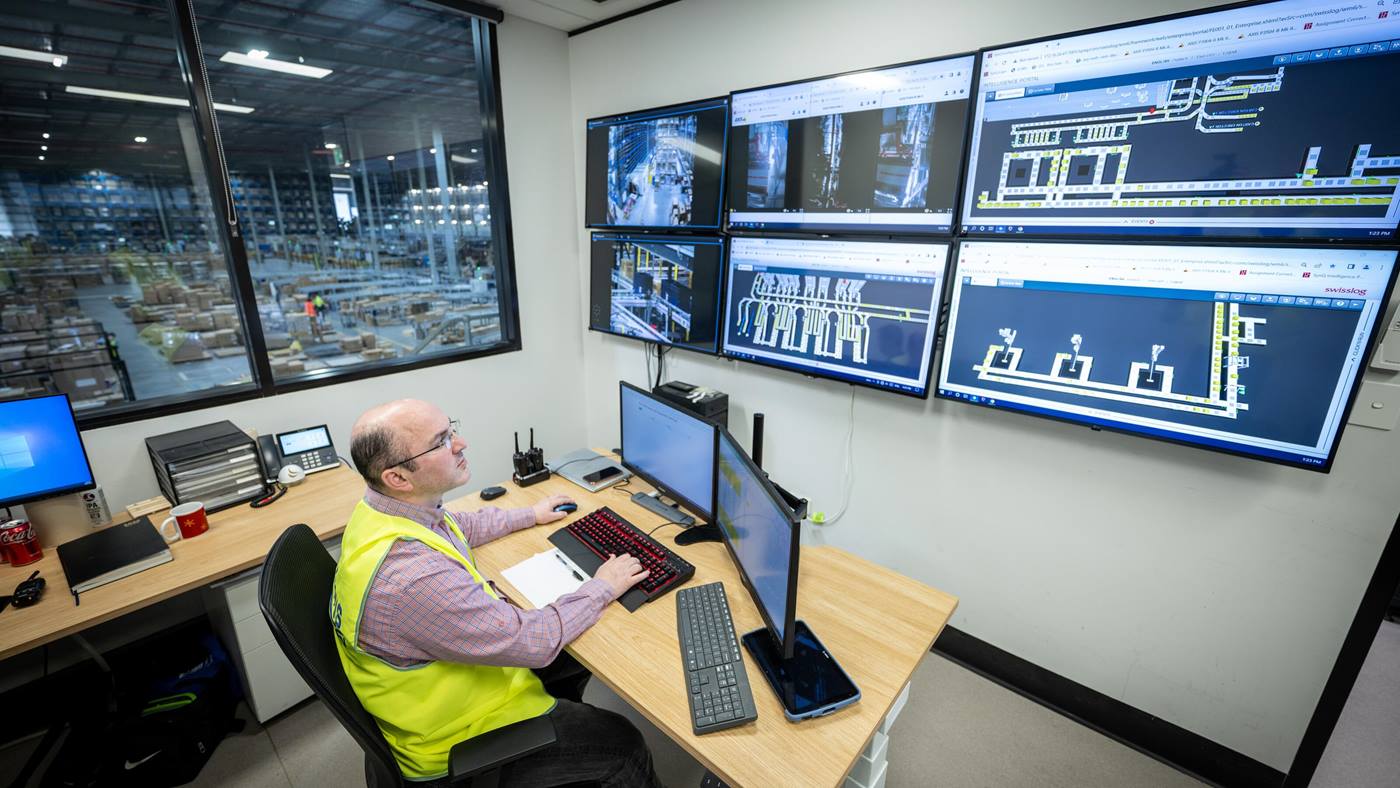
Managing use-by dates adds another layer. Swisslog's SynQ warehouse management software tracks FIFO and use-by dates at the SKU level, sequencing each released order against the earliest suitable date. That way the customer receives the freshest available item while the retailer avoids being left holding dead stock, a balance that matters more in grocery than in almost any other retail category.
Grocery Warehouse Automation in Australia: What Makes the Market Distinct
Automation patterns don't transfer directly between markets, and Australia is a clear example. Population density is the biggest variable: a solution built for London, New York or Texas assumes a shopper density that most Australian catchments don't have, which changes the calculus on network design and site count.
Micro-fulfillment is a good illustration. It spiked in popularity across Europe and the United States and saw early interest in Australia too, but that interest has largely cooled locally. The direction favored by operators in the US and Europe now, and increasingly in Australia, is a regional fulfillment model: fewer, larger sites within heavily populated areas that support click-and-collect and fast local delivery, rather than a dense network of small micro-sites.
| Factor | Europe / North America | Australia |
|---|---|---|
| Population density | Higher, supports smaller local nodes | Lower, favours fewer, lager regional sites |
| Micro-fulfillment adoption | Tested widely, mixed results | Early interest cooled; largely shelved |
| Dominant model now | Regional fulfillment center near population centers | Regional fulfillment centers, still scaling |
| Consumer behaviour trends | Sets the pattern | Broadly follows 24-36 months later |
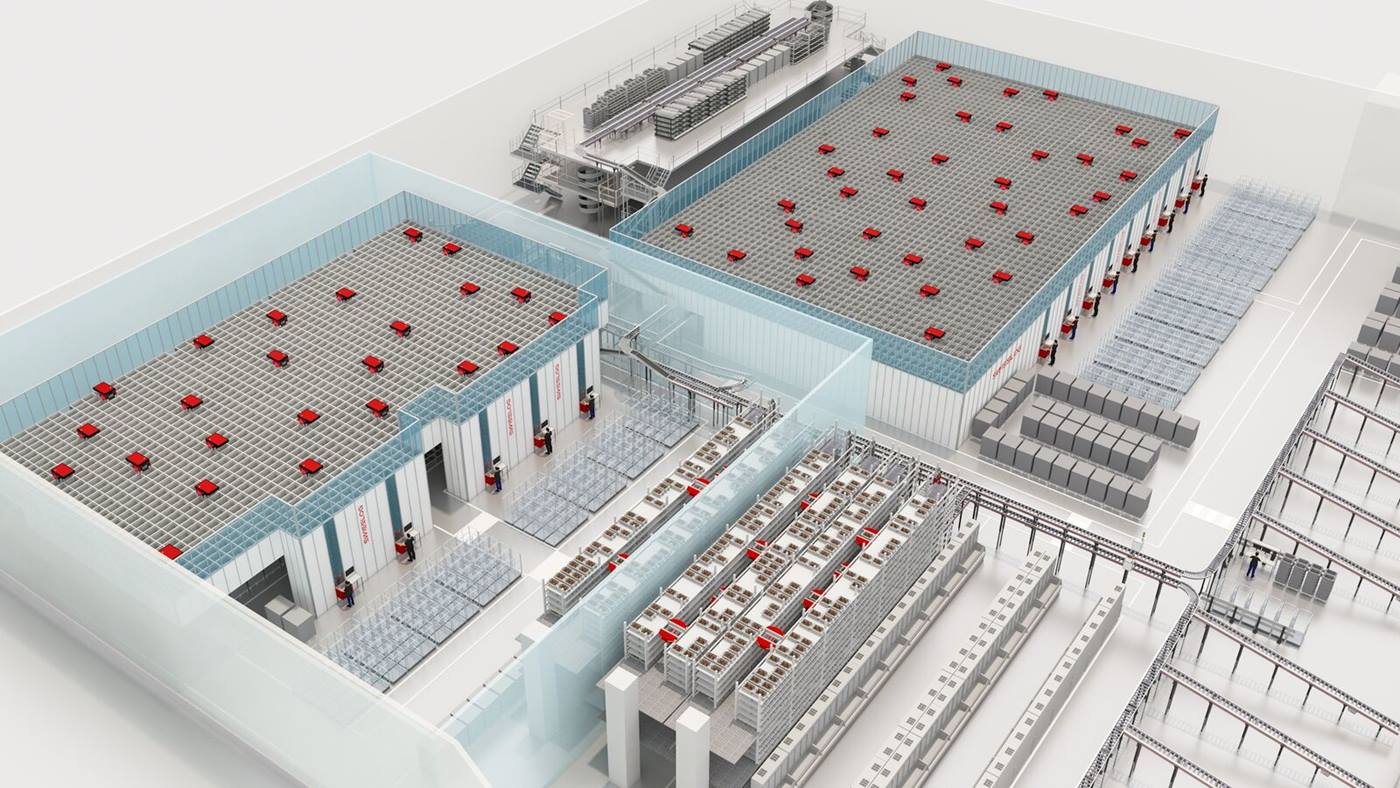
INSIGHT — Global Learnings Still Need Local Calibration
Australian consumer behavior broadly trails patterns seen in the UK, which gives operators visibility into what's coming. But applying a global solution unmodified rarely works: grocery-specific functionality built from overseas learnings still has to be adapted to local density, demographics and store networks before it fits the Australian market.
That local investment is already visible: Woolworths and Coles are both leaning further into automated online fulfillment as digital grocery sales accelerate across the market. Swisslog has operated in Australia for more than thirty years, including one of the country's first pallet automated storage and retrieval systems installations for Woolworths, and frames current engagements around a five to ten year network plan rather than a single-site project.
Looking further out, the next wave globally is automated each-picking and mixed-case palletizing, technology already being deployed in the US and Europe that Swisslog expects to lift productivity across Australian grocery distribution sites over the coming decade.
Grocery Warehouse Automation: Where to Go From Here
Grocery fulfillment automation is not a single technology decision so much as an ongoing network strategy: how ambient, chilled and frozen inventory is handled, how much is automated versus picked manually, and how the network scales as channels and store footprints change. What works in London or Texas will need adapting for Sydney or Melbourne, and the grocery and food and beverage retailers pulling ahead are the ones building that adaptation in from the start rather than retrofitting it later.
For a closer look at how these principles apply to specific facilities, explore Swisslog's AutoStore cube storage system referenced throughout this article, and its wider grocery distribution work.