Préparation des commandes alimentaires intelligente pour une chaîne d'approvisionnement plus rapide, plus écologique et plus flexible
L’avenir de la logistique alimentaire est intelligent, agile et évolutif — un avenir rendu possible uniquement grâce aux réseaux de distribution automatisés. Est-il temps de repenser vos stratégies de traitement des commandes ?
Études de cas du secteur de la distribution alimentaire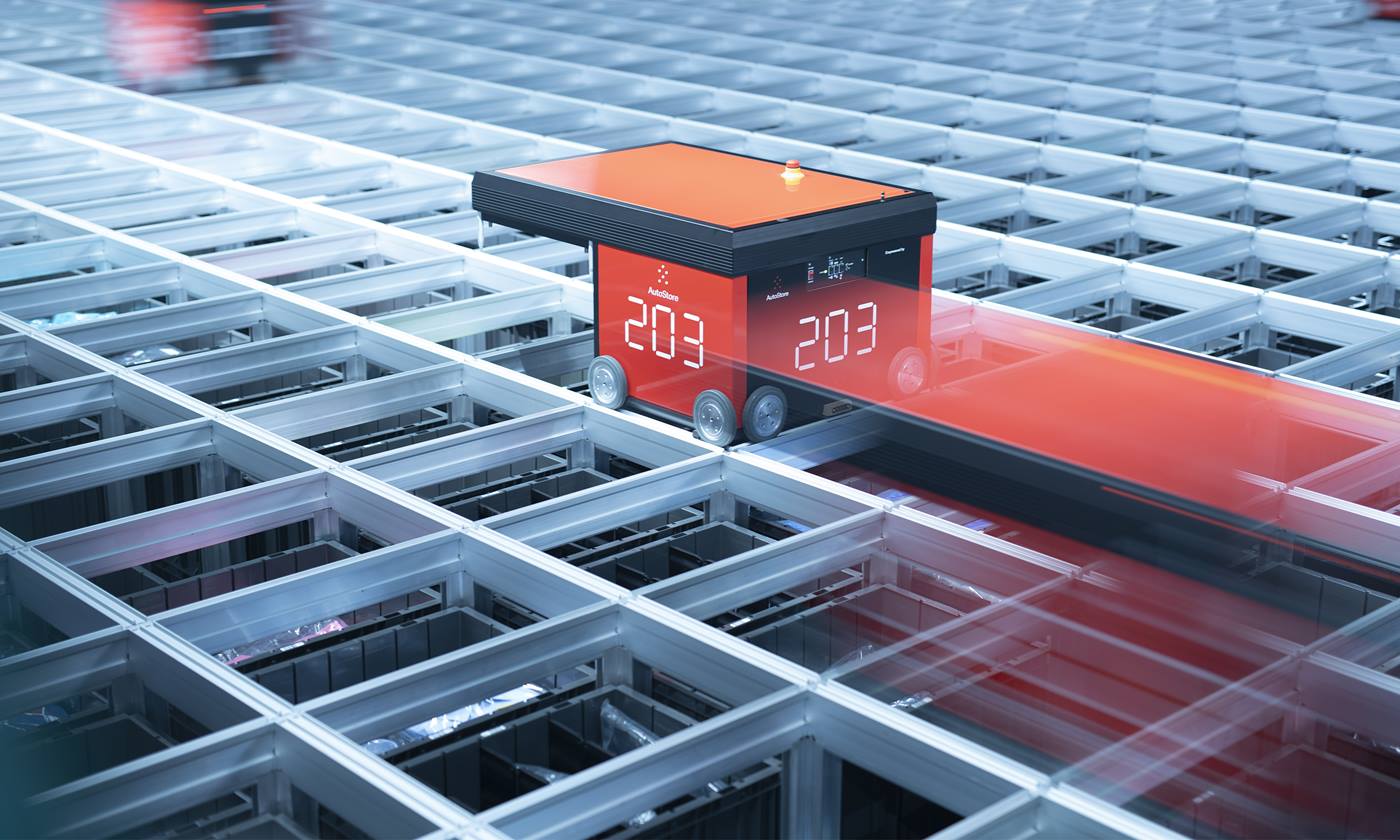
Solutions pour la chaîne d’approvisionnement alimentaire : automatisation intégrée, robotique avancée et logiciels pilotés par les données
- Modulaire et évolutif. Une large gamme de technologies d’automatisation adaptées aux besoins spécifiques du secteur alimentaire, que vous optimisiez le réapprovisionnement des magasins ou que vous développiez votre capacité e-commerce.
- Mise en œuvre flexible. Accélérez votre retour sur investissement avec des mini centres de distribution rapides à déployer, conçus pour une adaptabilité à long terme.
- Efficacité. Assurez une gestion ponctuelle, réduisez les déchets et prolongez la durée de vie des produits.
- Complexité simplifiée. Gérez sans effort les produits frais, surgelés et ambiants dans un système intégré — contrôle qualité du quai à la porte.
- Logiciel intelligent. Connectez et orchestrez chaque couche de votre opération, garantissant une précision des stocks en temps réel, un réapprovisionnement basé sur la demande et une visibilité complète sur tous les canaux.
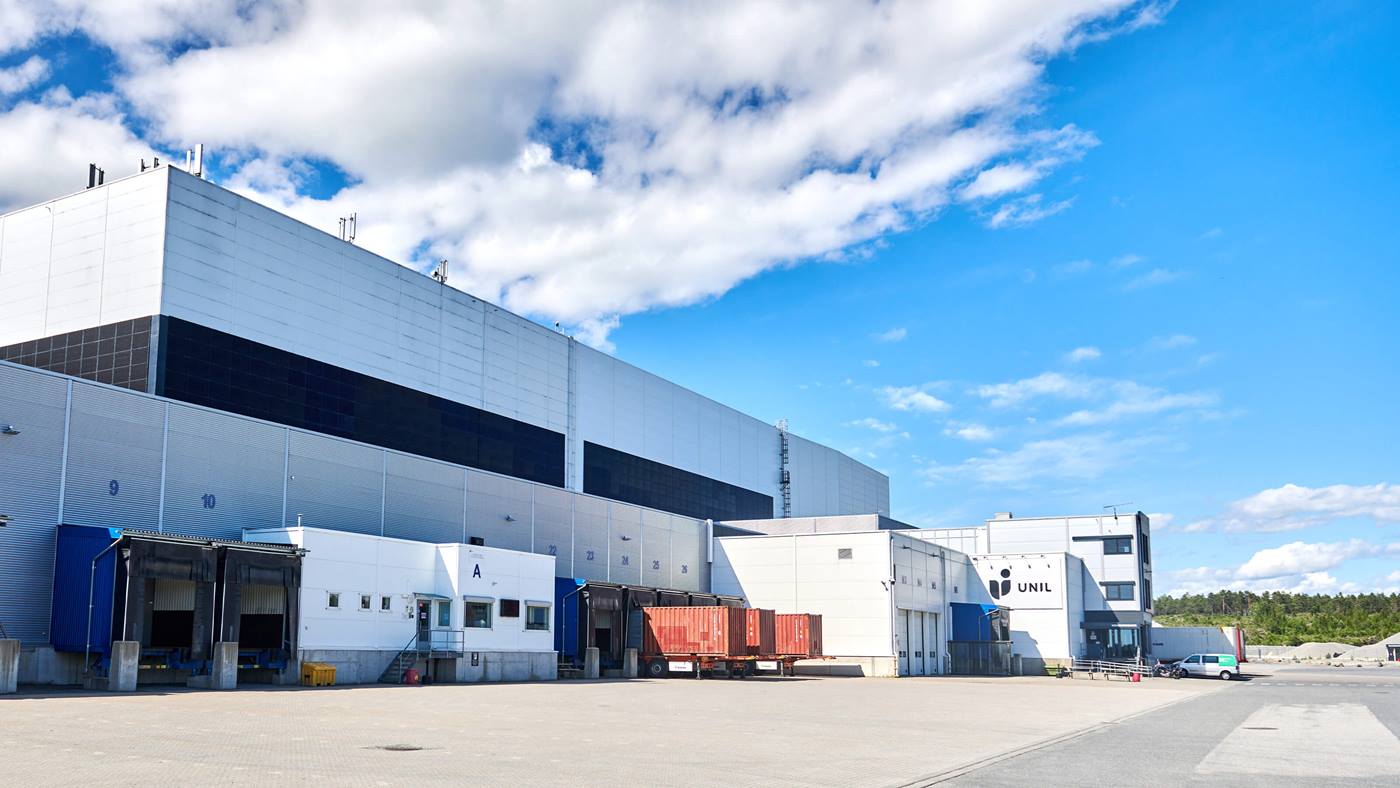
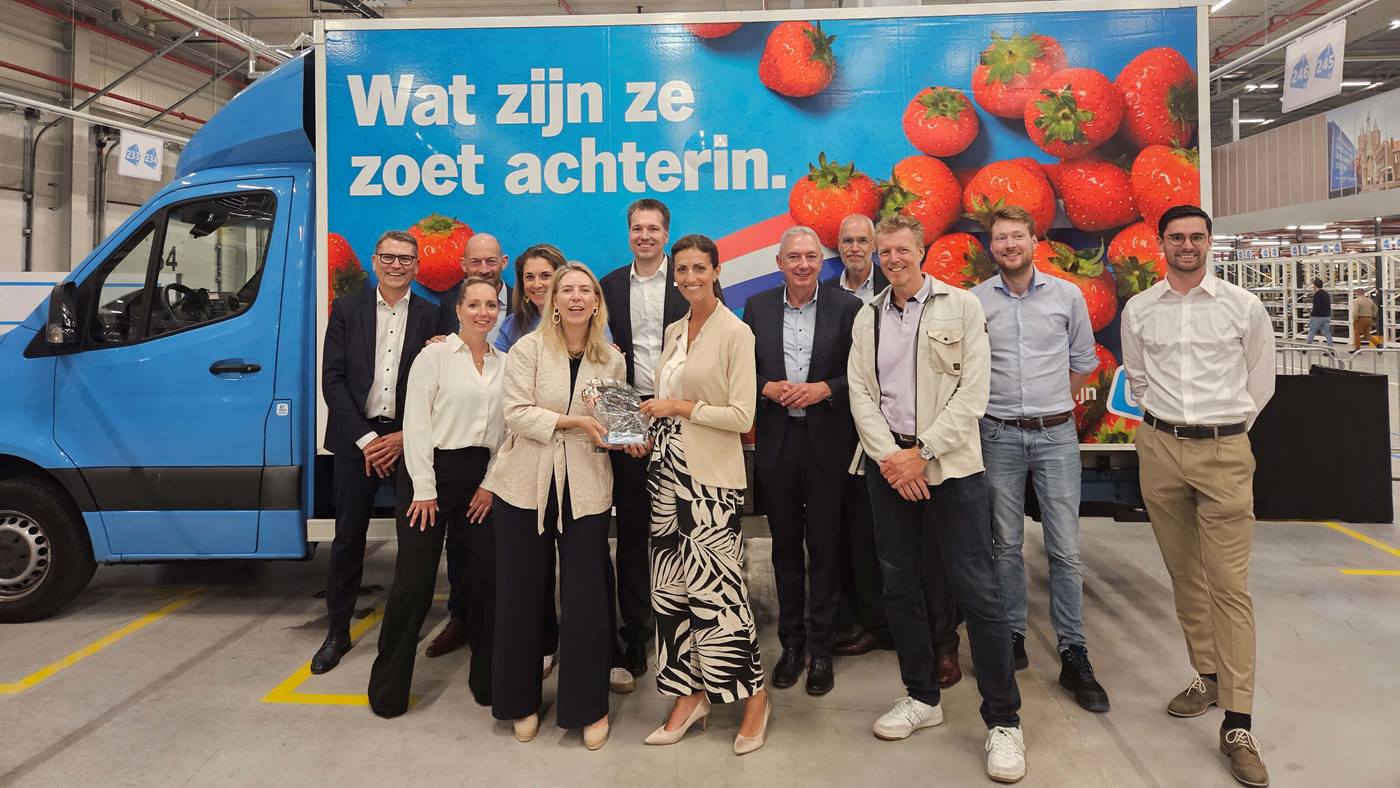


The benefits of the automation speak for themselves, but the relationship we have with Swisslog brings its own benefits. There’s a real collaborative feel about the way that we work.

We’re delighted to launch this milestone food distribution facility in the U.K. Nestlé and Swisslog are trusted strategic partners of XPO.

We cover different products, different temperature zones. We deliver and pick very quickly and achieve one to three hours e-grocery delivery. The technology supports the process.

I really enjoyed working with Swisslog. Integrating the system into the environment is where expertise and experience really come into play.

Solutions primées
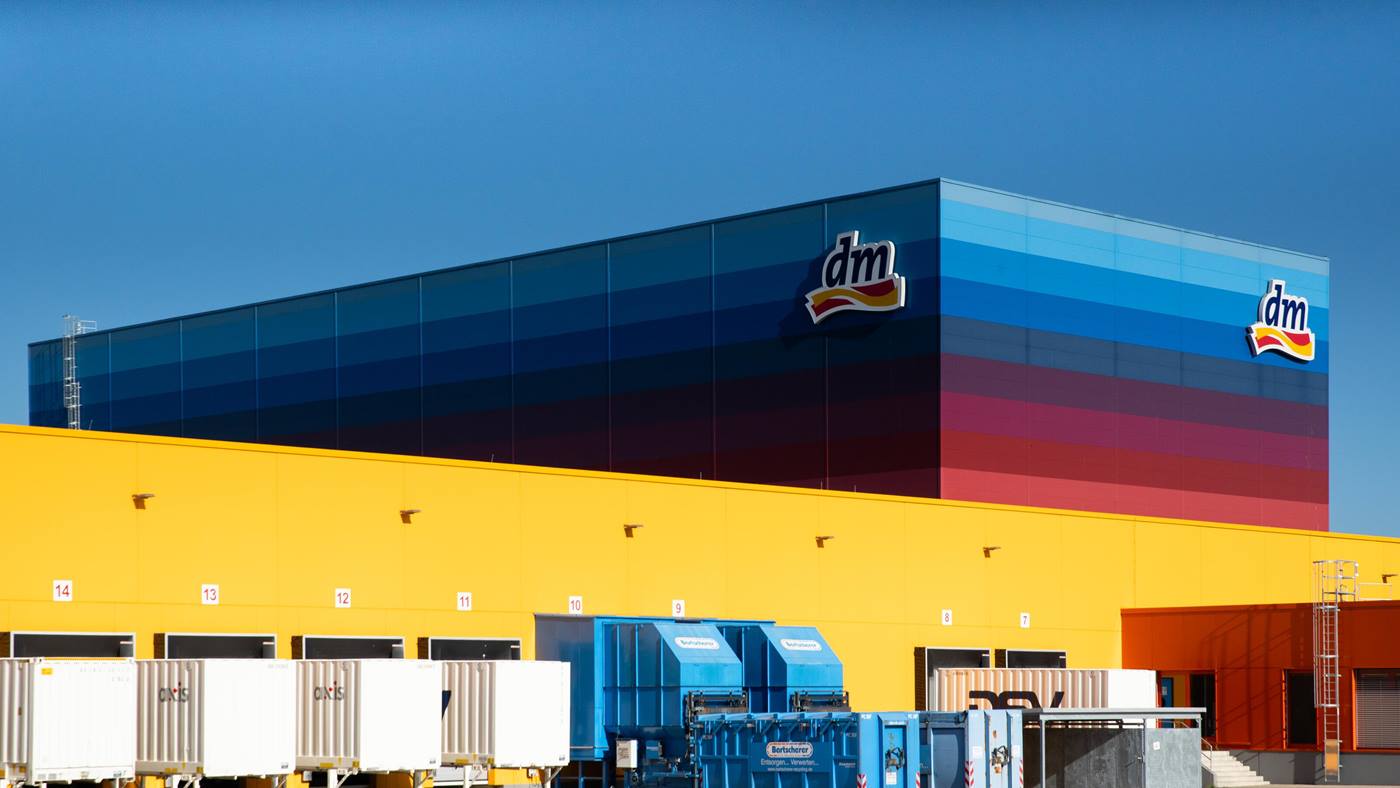
Prix allemand de la logistique 2020 et Prix européen de la logistique 2021 pour notre projet phare avec dm-drogerie markt, la plus grande chaîne de drogueries d’Europe.

Projets de référence pour la grande distribution et le secteur de l'alimentaire
Des distributeurs comme Coop, Albert Heijn et Nestlé, de la distribution centralisée à l’exécution hyperlocale.

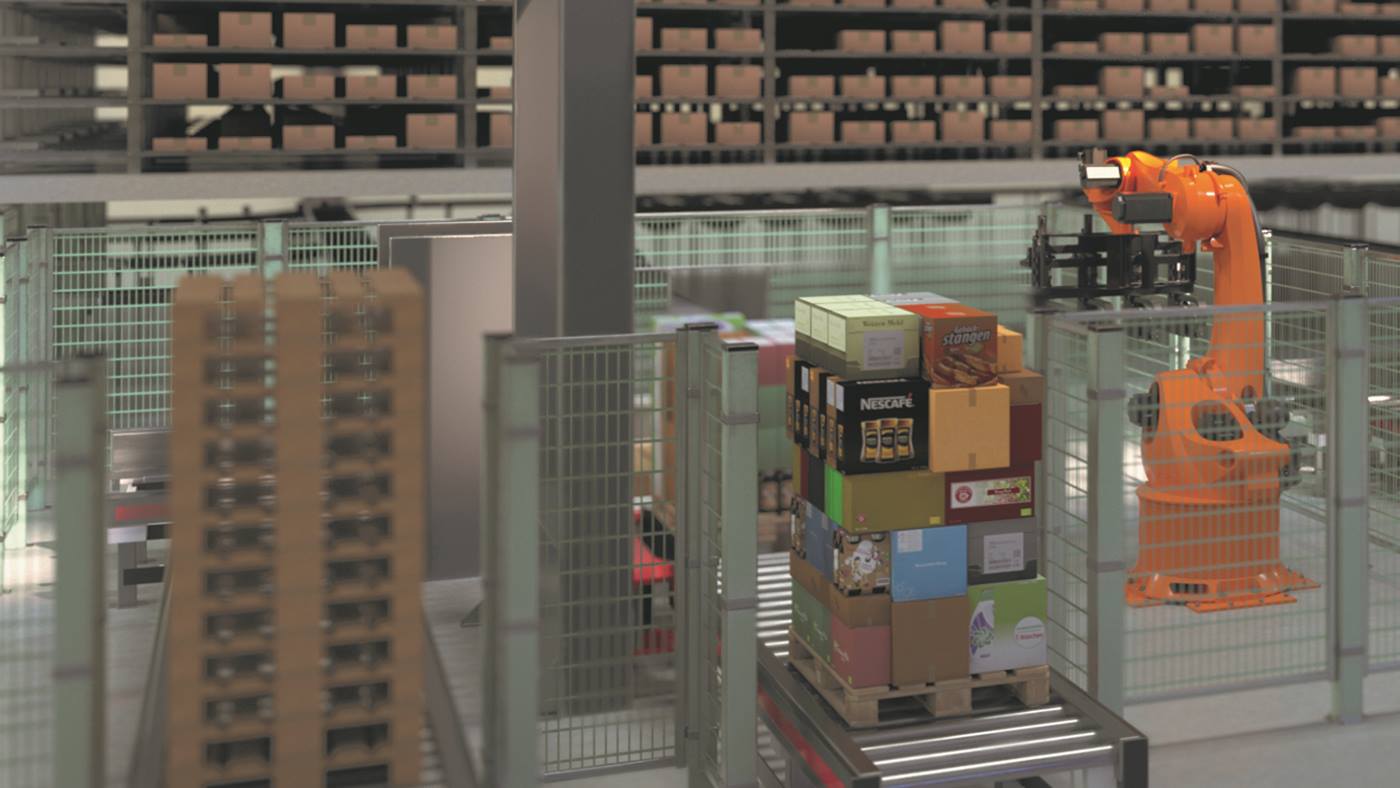
Caisses par heure de palettes multiproduits prêtes pour la livraison client
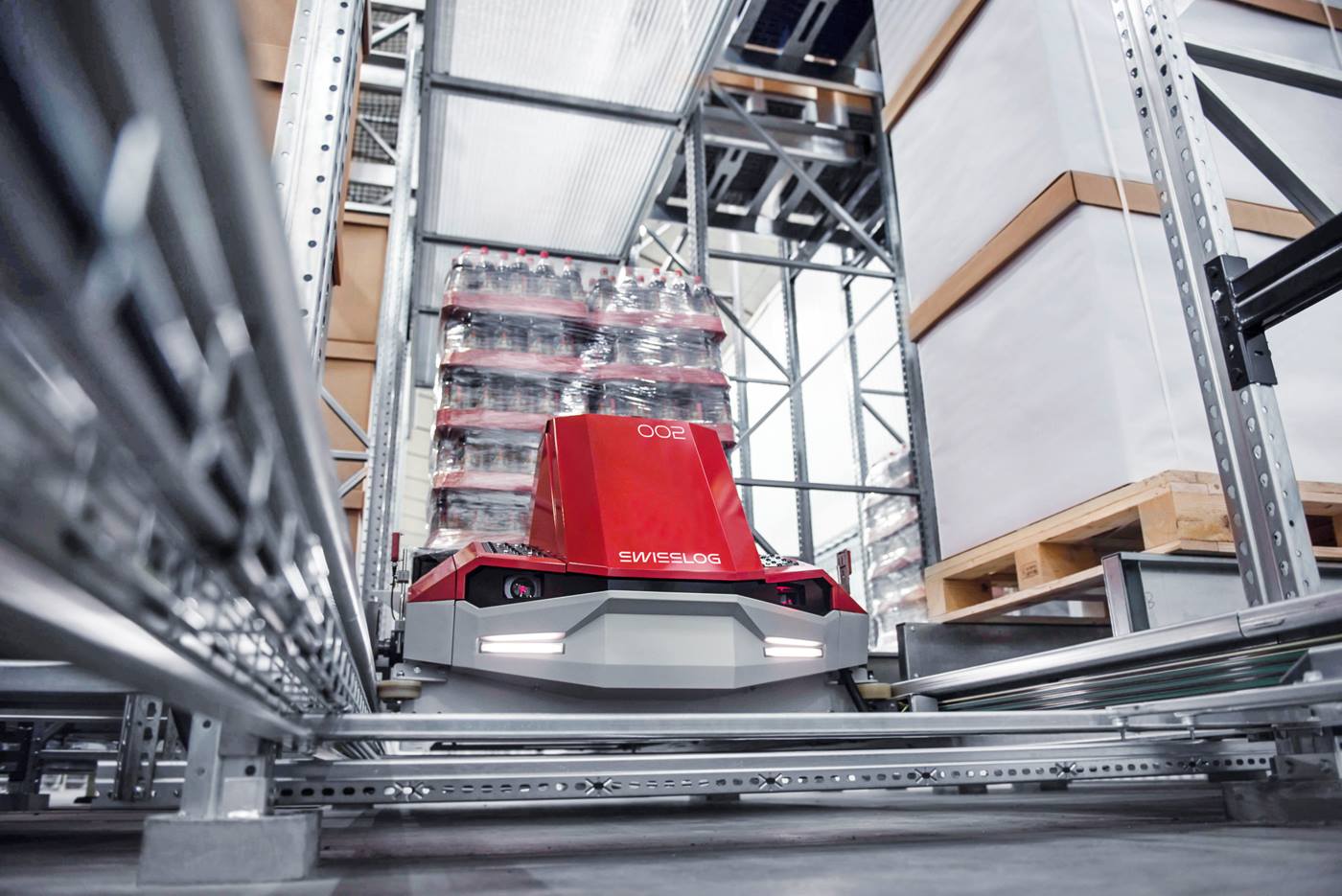
Manipulation rapide, douce et précise grâce au système évolutif Swisslog ACPaQ.

Partenaire en automatisation pour la distribution & la vente en ligne
Projets de traitement de commandes en ligne les plus déployés dans le monde. Logiciel de préparation rapide pour des expéditions sans erreur vers les clients.
Plus d’analyses sectorielles de la part de nos experts en automatisation alimentaire

Autres questions fréquentes : automatisation de la préparation des commandes dans le secteur de l’alimentation
Qu’est-ce que l’automatisation de la préparation des commandes alimentaires ?
L’automatisation de la préparation des commandes alimentaires désigne les systèmes automatisés de stockage, de préparation et de traitement des commandes, tels que les solutions goods-to-person, les systèmes AS/RS pour palettes et les logiciels de gestion d’entrepôt. Ces systèmes permettent de gérer les stocks de produits alimentaires et de boissons dans des zones à température ambiante, réfrigérées et surgelées. Ils aident les distributeurs à gérer un grand nombre de SKU, des dates limites de consommation rapprochées et des cycles de réapprovisionnement rapides pour l’approvisionnement des magasins, le click-and-collect et la livraison des commandes en ligne.
Un seul système d’automatisation d’entrepôt alimentaire peut-il gérer des produits à température ambiante, réfrigérés et surgelés ?
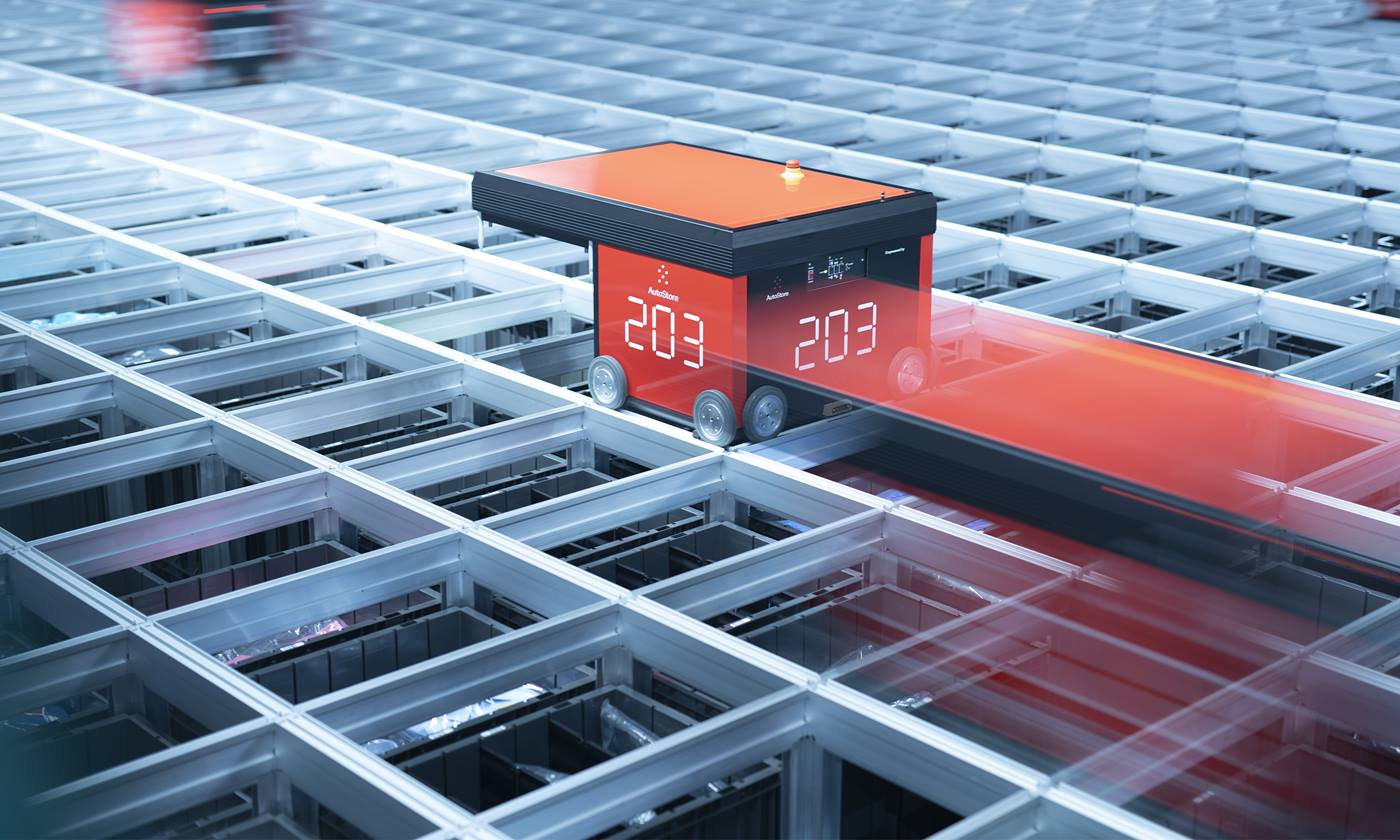
Oui. Des systèmes spécialement conçus à cet effet, comme les installations AutoStore adaptées à une utilisation multi-température, peuvent gérer les stocks à température ambiante, réfrigérés et surgelés dans un seul centre de distribution alimentaire, au lieu de nécessiter trois opérations distinctes. Cette approche réduit l’emprise au sol et la complexité tout en respectant les exigences de température de chaque catégorie de produits.
Qu’est-ce qu’un centre de distribution régional dans la logistique alimentaire ?
Un centre de distribution régional, ou RDC, est un site local de préparation des commandes alimentaires, de taille plus réduite, implanté dans une zone de population stratégique, par opposition à une seule grande installation nationale. Les RDC permettent aux distributeurs alimentaires d’approvisionner plus rapidement les magasins locaux et de traiter les commandes en ligne, tout en limitant les distances de livraison et les délais.
Le micro-fulfillment est-il toujours pertinent pour les distributeurs de produits alimentaires et de boissons ?
Le micro-fulfillment a connu une forte adoption initiale en Europe et aux États-Unis, ainsi qu’un intérêt précoce sur des marchés comme l’Australie. Cet intérêt s’est toutefois atténué dans plusieurs régions. De nombreux acteurs des secteurs de l’alimentation et des boissons privilégient désormais un modèle de fulfillment régional : un nombre réduit de sites d’entreposage automatisés, mais de plus grande taille, implantés dans des zones peuplées et prenant en charge à la fois le retrait des commandes et la livraison locale.
Quels critères les distributeurs alimentaires doivent-ils évaluer avant d’investir dans l’automatisation d’un centre de distribution alimentaire ?
Les acteurs de la distribution du secteur alimentaire doivent évaluer leur gamme de SKU (articles référencés) et leurs besoins en zones de température, les volumes de commandes actuels et prévisionnels sur l’ensemble des canaux, les coûts de détention des stocks par rapport au risque de rupture, ainsi que la capacité de l’automatisation à évoluer sur une période de cinq à dix ans, et pas uniquement lors du démarrage. Une démarche de conception fondée sur les données, plutôt qu’une solution standard, permet de créer une solution d’automatisation d’entrepôt adaptée au réseau et aux plans de croissance propres au distributeur.