How to deliver a successful warehouse automation project

Grant Beringer 2 novembre 2026
A warehouse automation project succeeds when the operating requirements, delivery process and people are aligned from the start. Clear scope, disciplined governance and practical support help turn an automation investment into a working operation. Here is what that means from the first planning conversation through go-live and beyond.
The new system is installed, the equipment is running and the warehouse is ready to take orders. This is also the point where months of earlier decisions become visible: whether the scope was understood, whether software interfaces were tested and whether the people taking over have the support they need. A successful handover depends on the work completed well before that moment.

Start with the operation the warehouse needs to support

A project often begins with pressure on the existing operation: rising order volumes, limited space or difficulty finding enough people. Before choosing a warehouse automation solution, translate that pressure into requirements. Establish the inventory profile, order mix and peak throughput, together with the service levels the business must maintain.

For a grocery distribution center, that also means understanding temperature zones, shelf life and replenishment. Product identification and traceability need to work across receiving, storage and dispatch. Agree what the data shows and document any assumptions, particularly where future volumes or product ranges are uncertain.

In Australia, high labor and land costs are reasons to consider automation, while smaller distribution networks make investment decisions selective. The wider lesson is to test the business case against the actual operation. Assess total cost of ownership and supply chain performance, including integration, maintenance and the transition period, alongside equipment costs.


It's much cheaper and easier to change a drawing or a specification at the start.

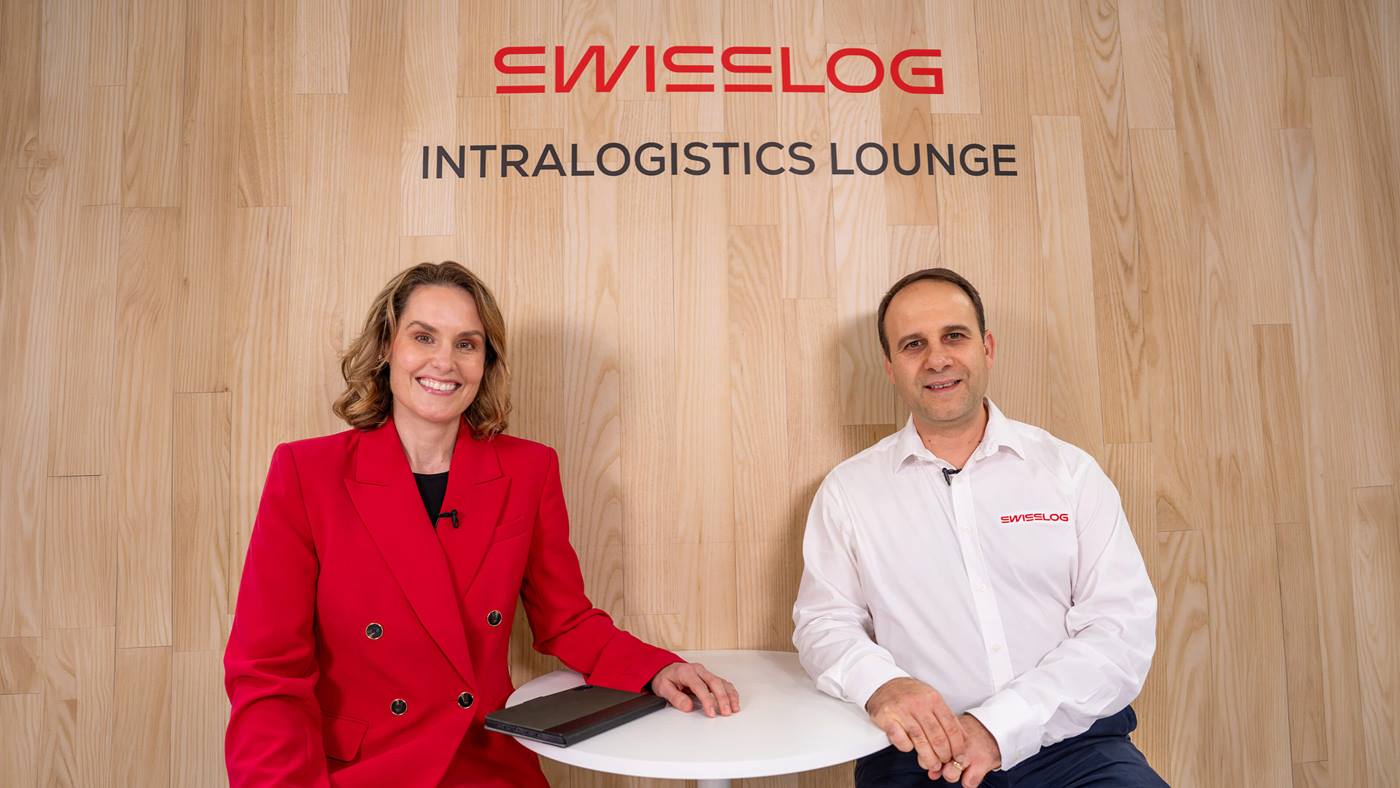
Grant Beringer, Head of Customer Service for Asia Pacific excluding China (APeC) and Managing Director for Australia and New Zealand at Swisslog

Define scope and success before implementation begins

For me, governance starts with the specification. Both sides need to understand what will be delivered, where responsibilities sit and how the finished system will be accepted. Throughput targets need agreed operating conditions, including the order mix and test duration. Otherwise, the customer and delivery team can reach handover with different expectations.

Changes will still occur. A new requirement might affect equipment, software, building work or the startup date. A clear scope change control process makes those consequences visible before work proceeds. Agree who estimates the impact, who approves it and how the revised decision is recorded.

TIP: Agree the acceptance conditions

Record the throughput target together with the test duration, order profile and available resources. Agree the evidence needed for acceptance before implementation begins.

Move through the project phases with clear approval points

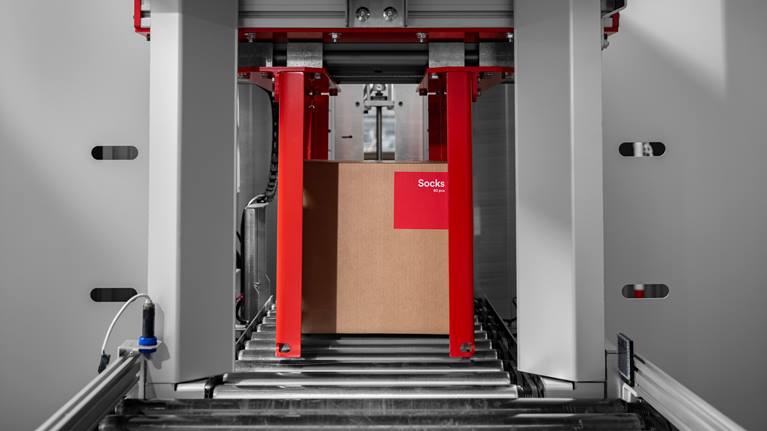
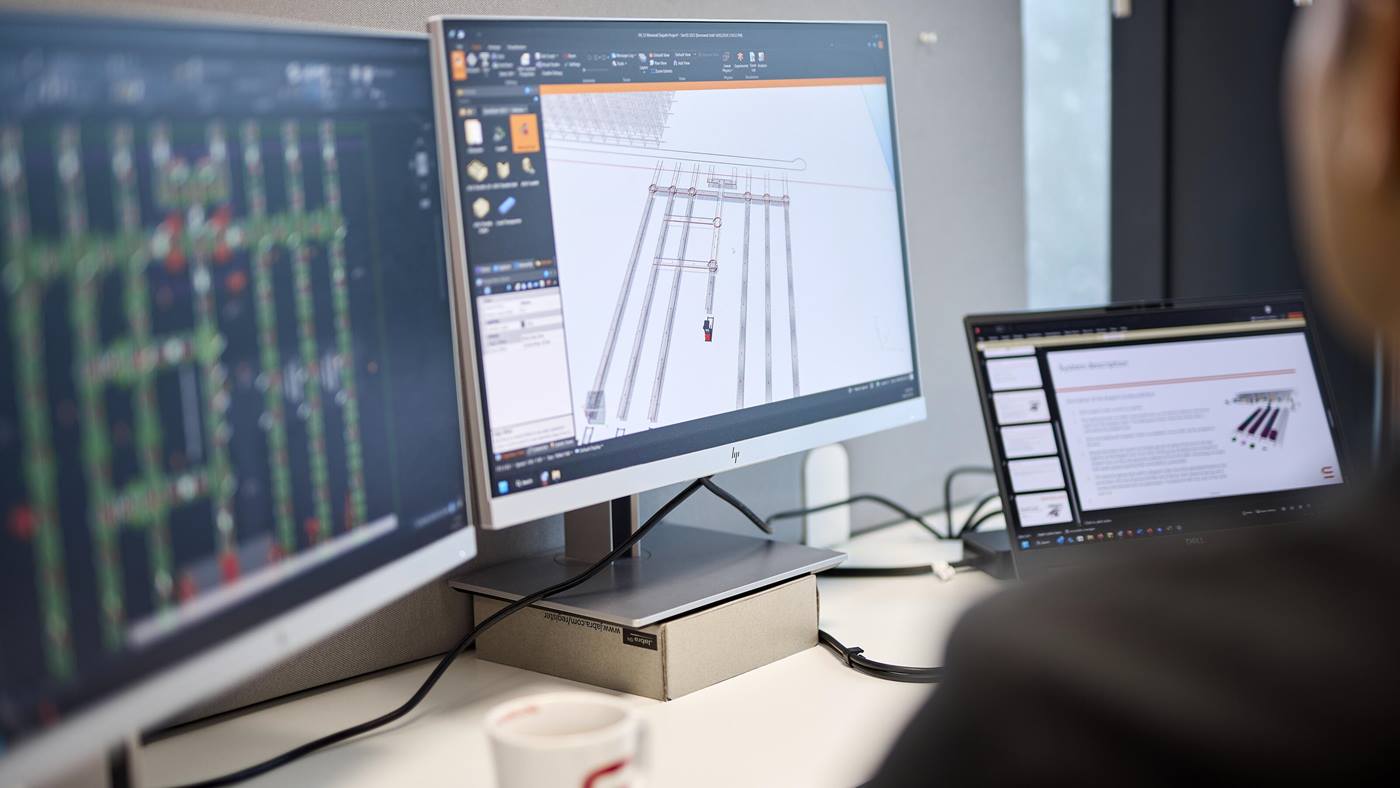
A practical warehouse automation project moves through six phases: discovery, concept development, detailed design, delivery, commissioning and ramp-up, and lifecycle support. Discovery establishes the operating need. Concept development compares ways to meet it. Detailed design turns the agreed concept into specifications for equipment, software and interfaces.

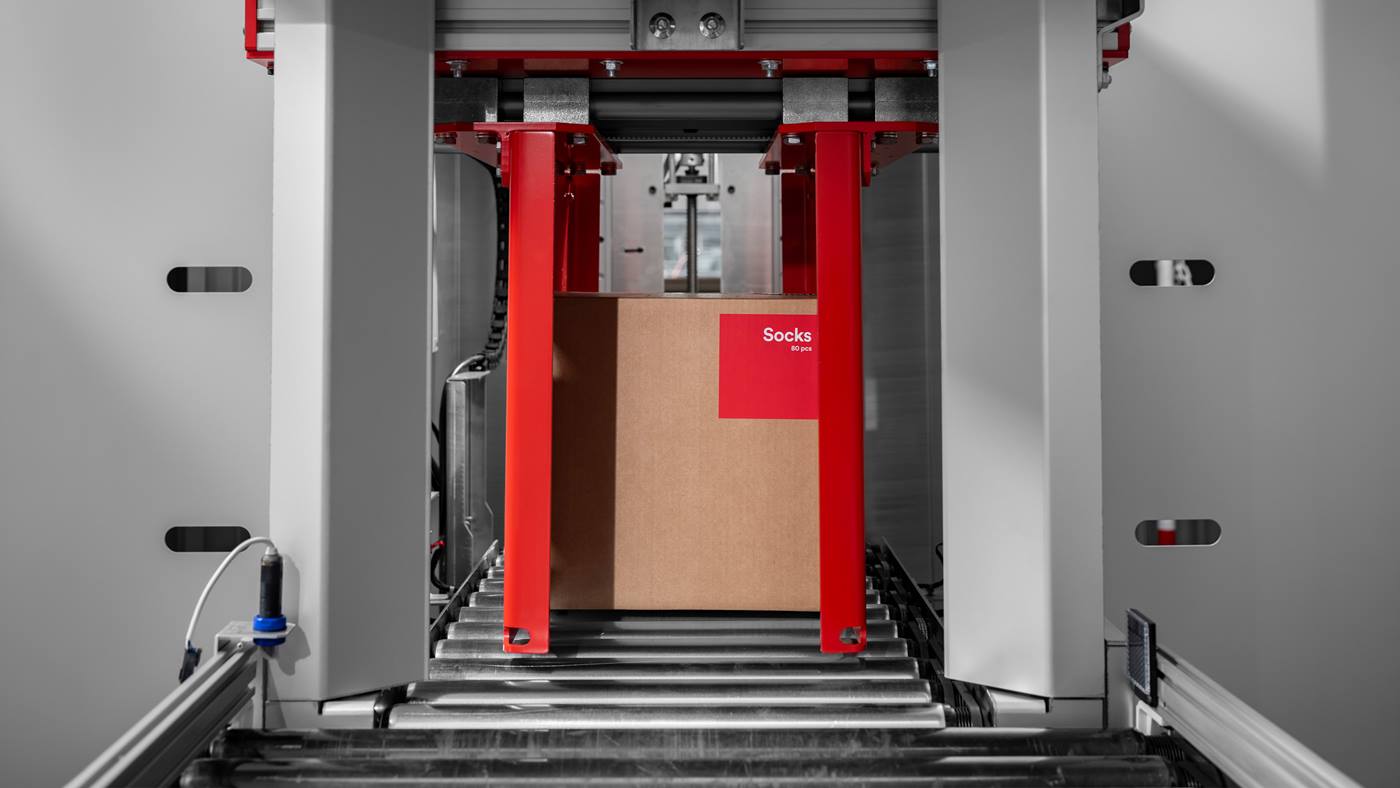
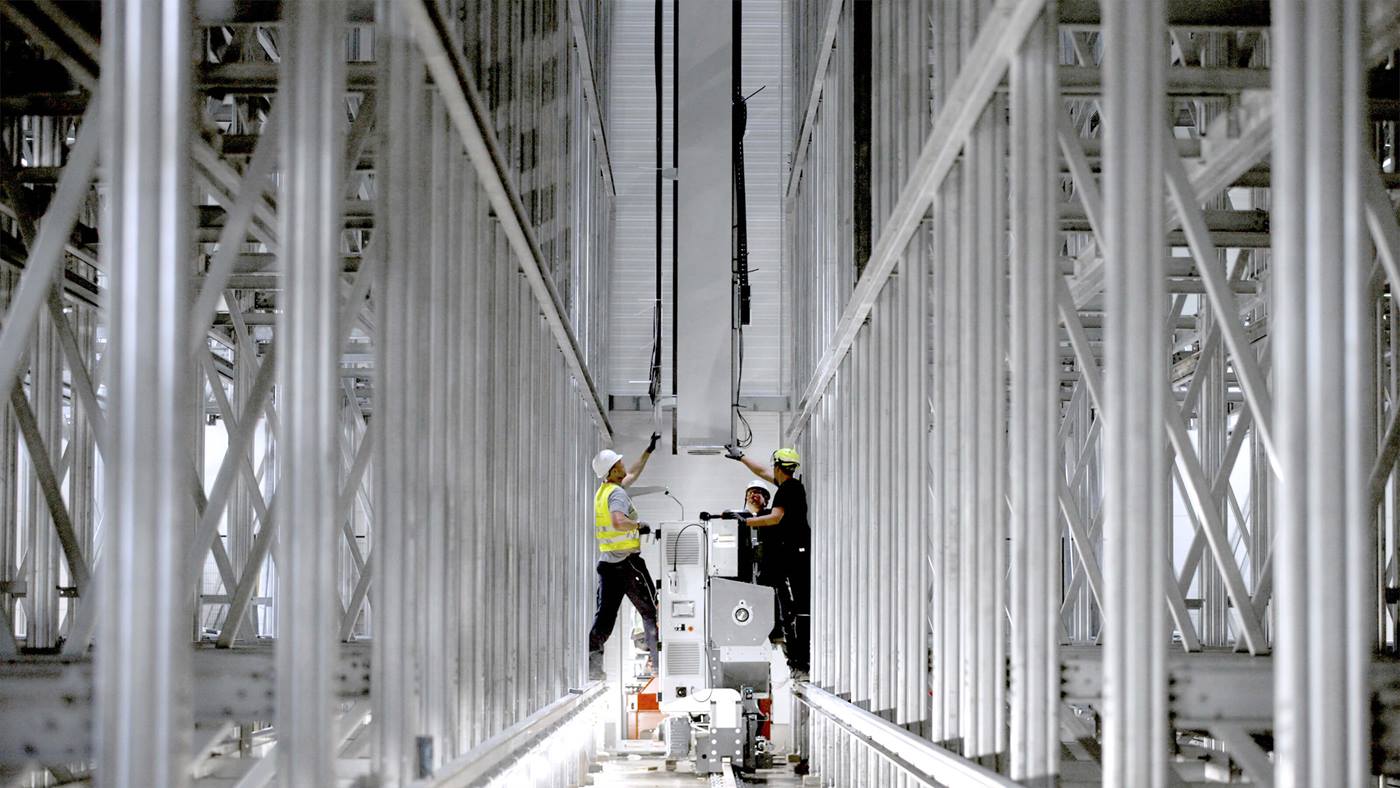
Delivery brings manufacturing, software configuration and site preparation together. At Swisslog, we use stage gates to confirm readiness before moving forward, including from design into manufacturing. That discipline matters for both modular installations and larger integrated systems, where more interfaces create more opportunities for problems.

Commissioning proves how the subsystems work together before live volumes increase. The final phase covers ongoing support and improvement. The technology influences the work involved: automated storage and retrieval systems, for example, combine equipment and controls that must function as part of the wider material flow. The project plan should reflect those dependencies.

PRODUCT SPOTLIGHT  Technology within the delivery plan

At Swisslog, we deliver solutions including AutoStore and pallet AS/RS, supported by our global software platform. Modular systems can simplify aspects of delivery, while larger integrated solutions need more coordination between subsystems. Both benefit from agreed scope and clear approval points.

Keep the existing operation moving during a retrofit

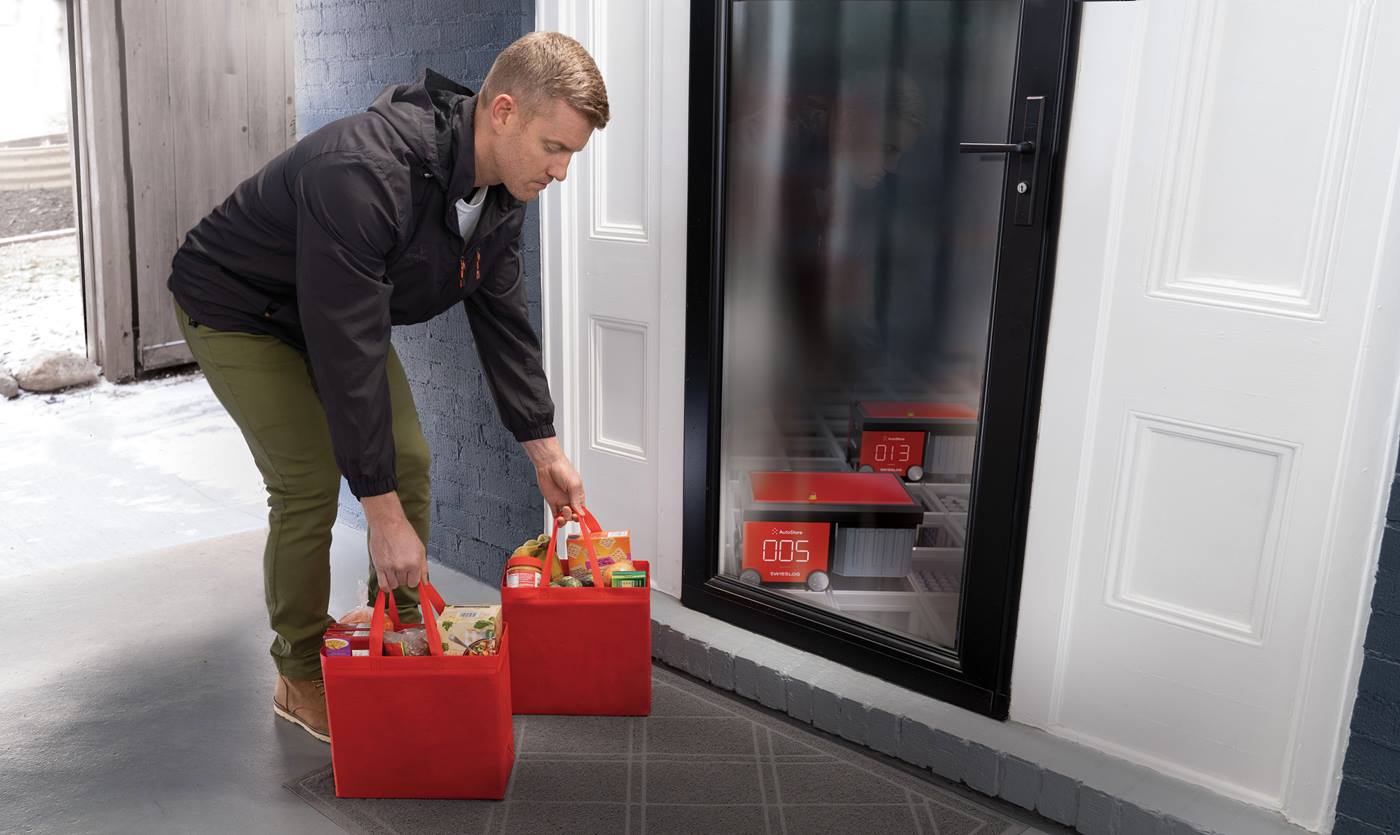
A greenfield warehouse offers freedom to design around future flows. A brownfield project introduces automation into an operating facility, with existing buildings, working areas and delivery commitments. That brings another level of integration risk. We typically take a phased approach, with capacity buffers to help protect operations while changes are made.

Consider a New Zealand grocery distributor automating part of an existing site. A cutover that interrupts replenishment could affect store deliveries even if the new picking process works correctly. The delivery plan needs temporary operating arrangements, clear recovery steps and a shared understanding of when each change can proceed.

The same planning must account for people working around the installation. Define safe access, isolation and commissioning procedures before the site becomes busy with contractors and operators. In New Zealand, managing machinery risks is part of that preparation. Each market requires its own review of applicable safety requirements.

Planning question Planning question Brownfield retrofit
What shapes the layout? Future capacity and material flows Existing building and operating constraints
How is service protected? Plan migration from the current operation Phase cutovers and maintain temporary buffers
What must be ready? Building, systems and operating team Phase cutovers and maintain temporary buffers

Treat ramp-up as an operational phase in its own right

Switching on the system and reaching stable production are different milestones. We have had sites where Black Friday followed almost immediately after startup, while others had several months to build volumes. The support plan needs to match that timetable, including the people available on site and the process for resolving faults.

Operators need practice with normal work and exceptions, such as missing barcodes, unavailable stock or a stopped downstream process. Include safe recovery and maintenance access in training. Addressing warehouse hazards belongs alongside throughput testing, so the team can operate the system confidently as demand increases.

You want to work with people that know what they're doing.

Grant Beringer, Head of Customer Service for Asia Pacific excluding China (APeC) and Managing Director for Australia and New Zealand at Swisslog

Choose a partner for the years after handover

When evaluating warehouse automation providers, look closely at the proposed delivery team. Has it completed a comparable installation? Who owns the interfaces between equipment and software? Who will stay on site through startup? Reference visits are most useful when they reveal how the team handled problems as well as whether the system met its targets.

Then examine support against your own capabilities. Decide which tasks your maintenance team will handle and where you need specialist help. Training during commissioning helps prepare local teams for ongoing AS/RS maintenance. For sites in Australia, New Zealand or other geographically dispersed markets, ask where engineers and spare parts are located.

These facilities can operate for 10, 15 or 20 years. I see that as a long-term partnership, which makes transparent communication and realistic expectations central to the relationship. Establish how risks will be raised early, how support will be escalated and how the system can develop as the business changes.

Warehouse automation project success starts before installation

Before committing to a warehouse automation project, look for an agreed operating requirement, a delivery process with clear approvals and a credible route to stable production. Those conversations reveal how the partnership will work when decisions become difficult. To explore the storage technologies that can sit within that plan, see Swisslog’s automated storage and retrieval systems.

Informazioni sull’autore:
Grant Beringer
Head of Customer Service for Asia Pacific excluding China (APeC) and Managing Director for Australia and New Zealand at Swisslog
Ulteriori informazioni su Grant Beringer
Cerca tutti i tag
Smart Cities Case Study Video Sustainability Future Logistics Robotics Vertical Farming Vlogs Light Goods White Paper AutoStore Micro Fulfillment Design and Planning Pallet Automation Software E-Grocery Customer Service and Maintenance
Prossimo articolo
AutoStore Dan Cahalan 27 ottobre 2026
AutoStore AutoCase: Automated case handling and buffering

Learn how AutoStore AutoCase stores full cases and eaches in one grid, what the Fall 2026 update and FlowStream add, and whether AutoCase suits your operation.

Potrebbe interessarti anche