Which pallet storage technology is right for your warehouse?
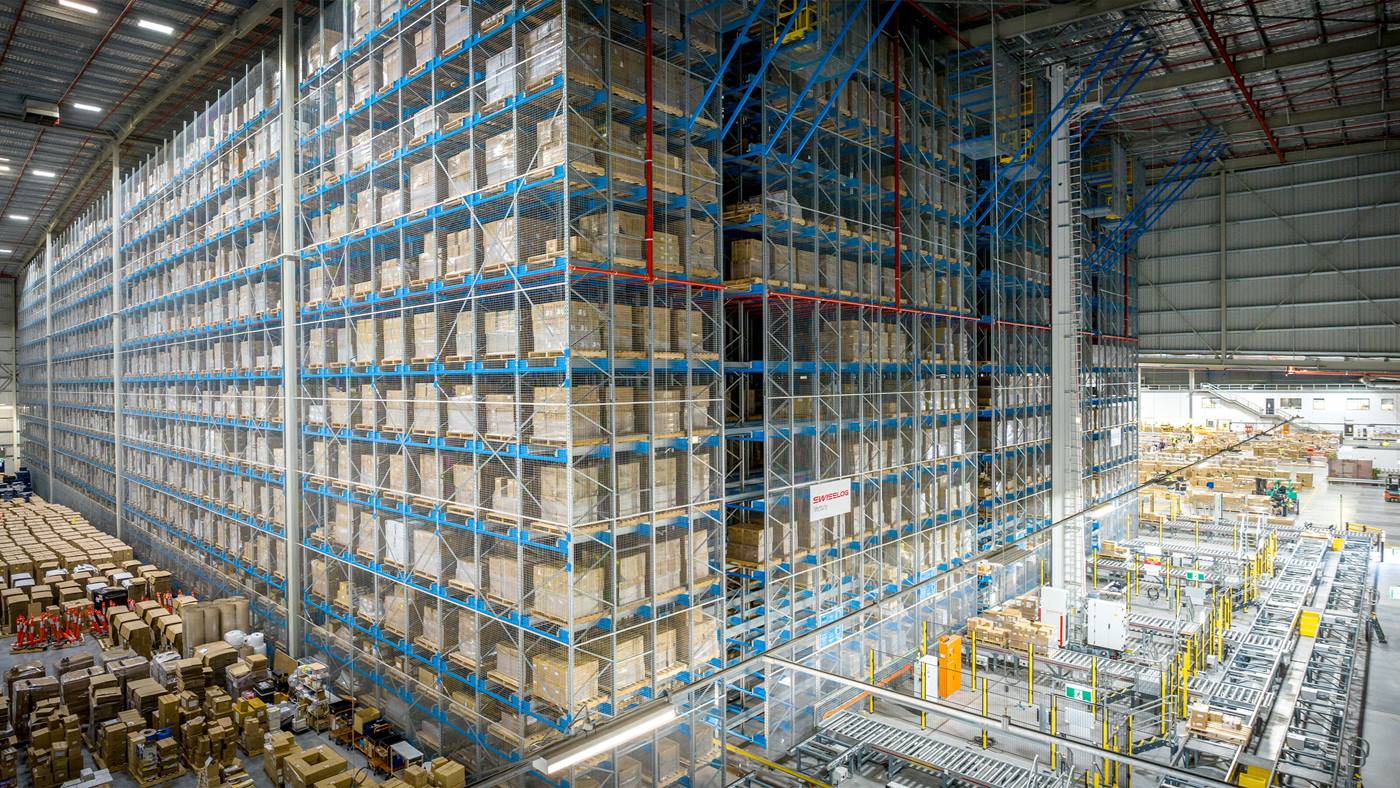
Pallet storage is one of the most consequential decisions a warehouse operation can make. Get it right, and you have a system that handles today's volumes, absorbs tomorrow's growth, and keeps running reliably around the clock. Get it wrong and you are working around a bottleneck that touches everything from throughput to labor costs to order fulfillment.
The challenge is that there is no universal answer. What does not change is the need to store pallets safely, maximize space on the warehouse floor, and improve warehouse operations with warehouse automation that scales. Expanding SKU portfolios, tighter space constraints, labor shortages, and the need to operate 24/7 have made automated storage and retrieval systems (ASRS) the default choice for many operations.
For a wide range of customers, that shift is driven by business pressure: growing e-commerce volumes, higher customer expectations, and less available labor in the warehouse. The technology you choose within that category matters enormously.
Planning pallet storage for warehouse automation
Automated storage and retrieval performs best when it is treated as an operating system within warehouse automation, not a one-time layout project.
Start with the fundamentals - pallet footprint, load height, and weight ranges - then design inbound and outbound processes so each pallet moves with minimal handling, clear stacking rules, and predictable transfer points. Slotting discipline matters as well: keeping fast movers closer to picking and dispatch reduces travel on the floor, improves space utilization, and helps protect throughput at peak, which enhances warehouse automation efficiency. Safety is part of warehouse automation performance for both workers and equipment.
Three pallet storage automation technologies
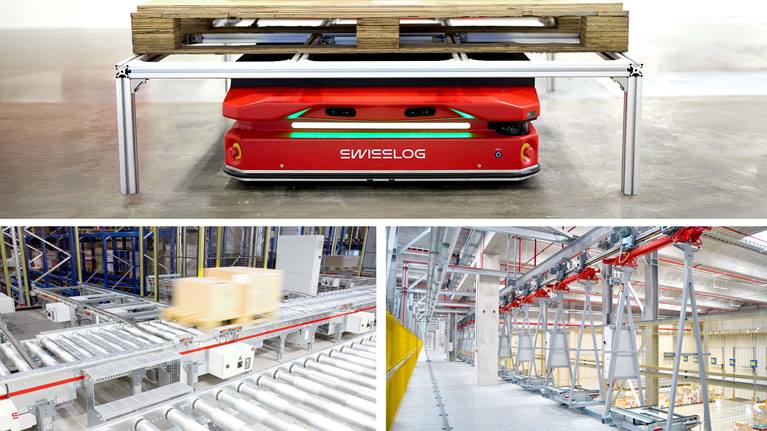
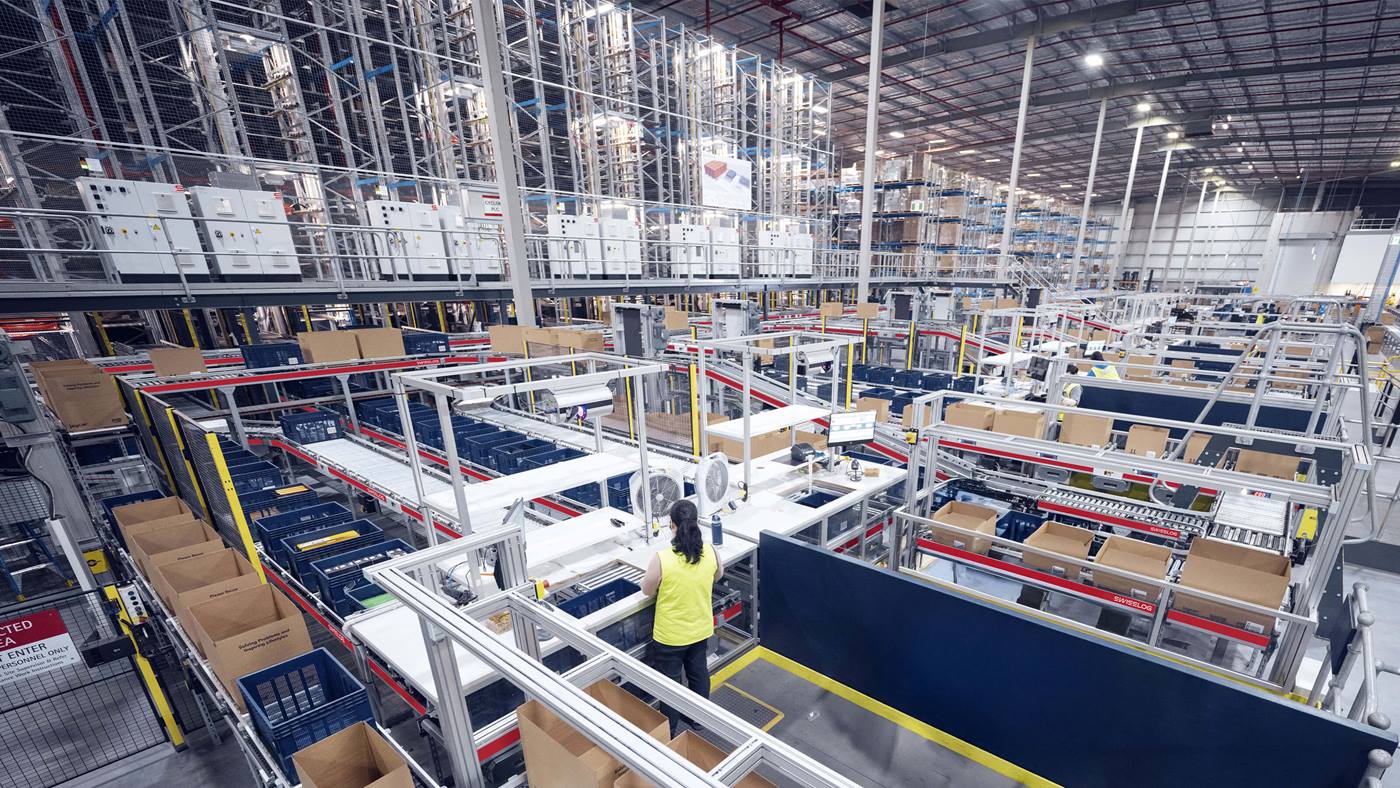
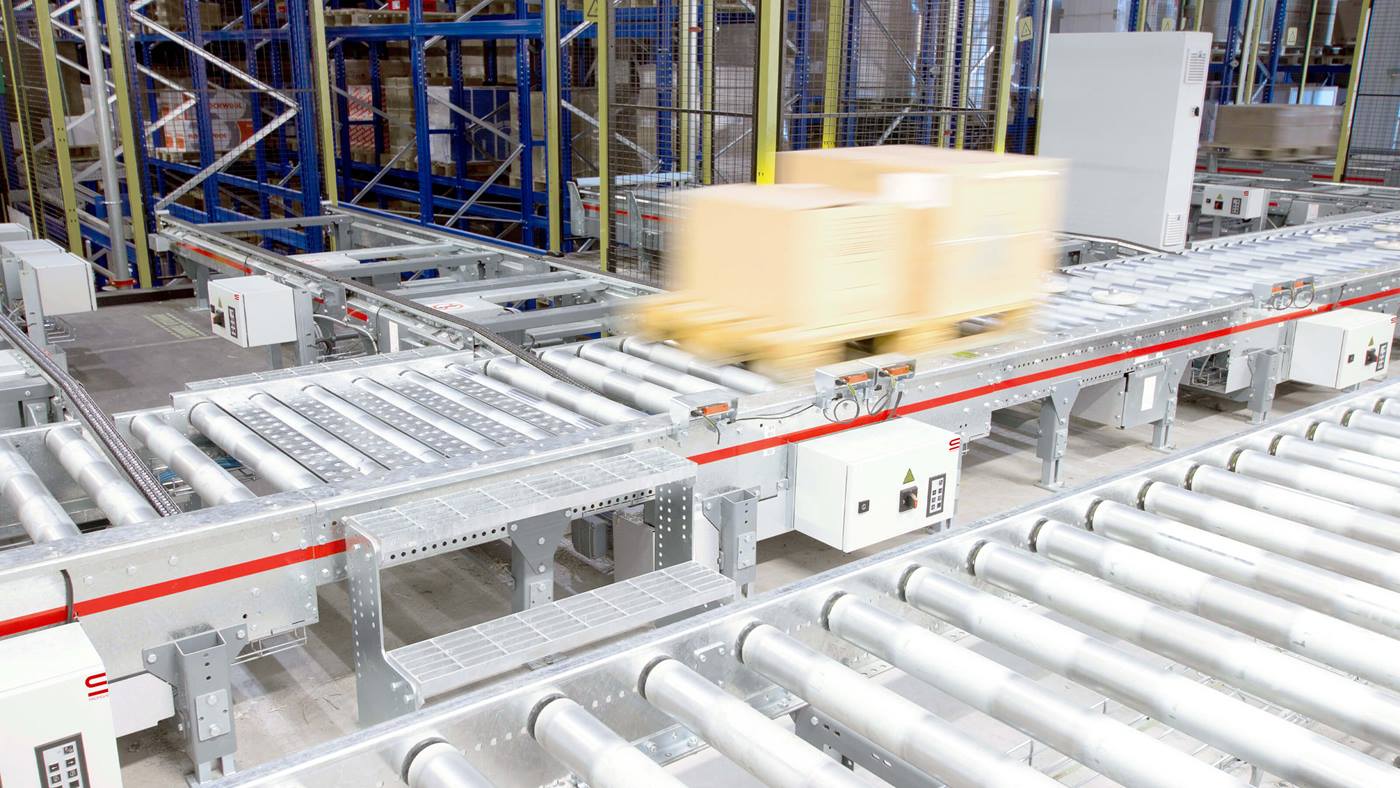
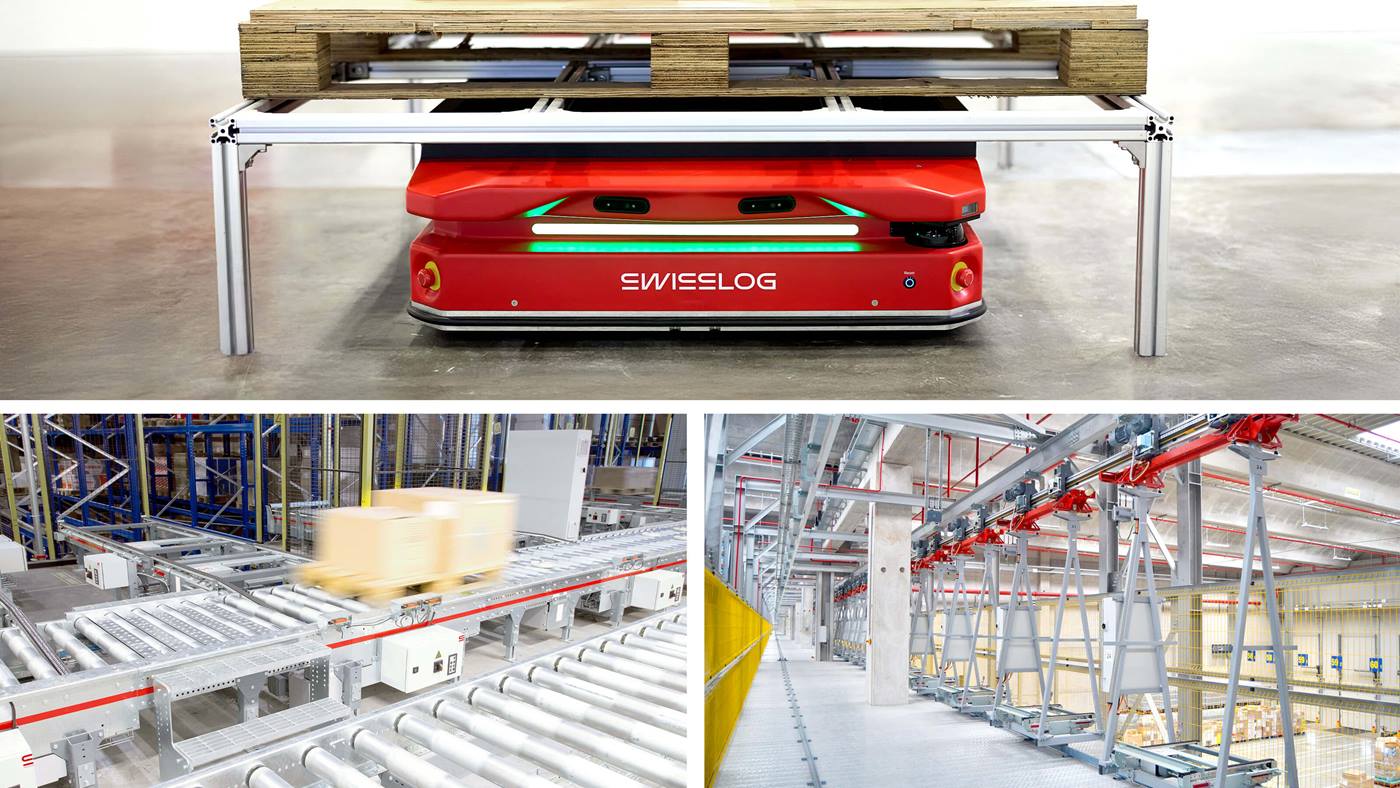
The storage retrieval systems are designed to store, buffer, and deliver pallet loads to picking, packing, and shipping stations with repeatable performance, using software to coordinate robots, cranes, and shuttles.
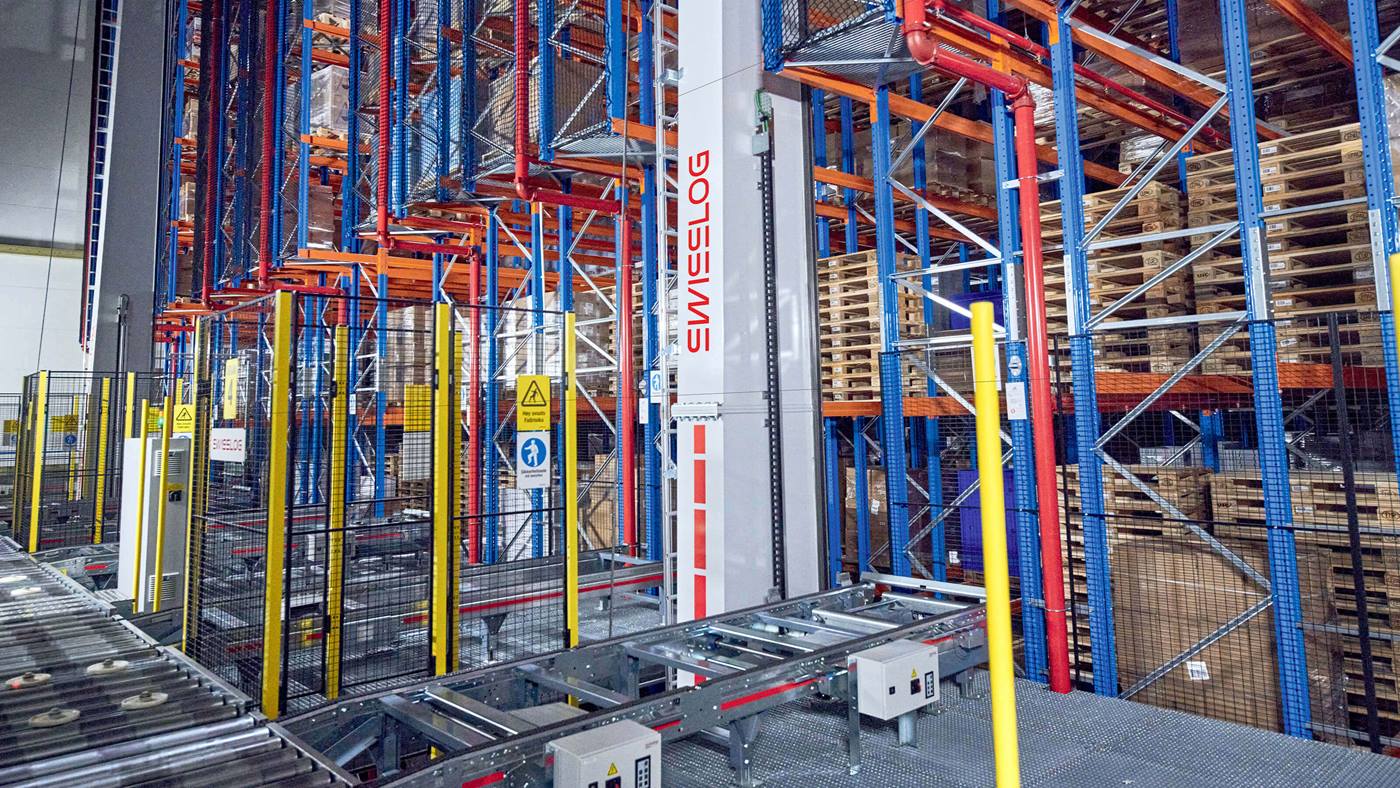
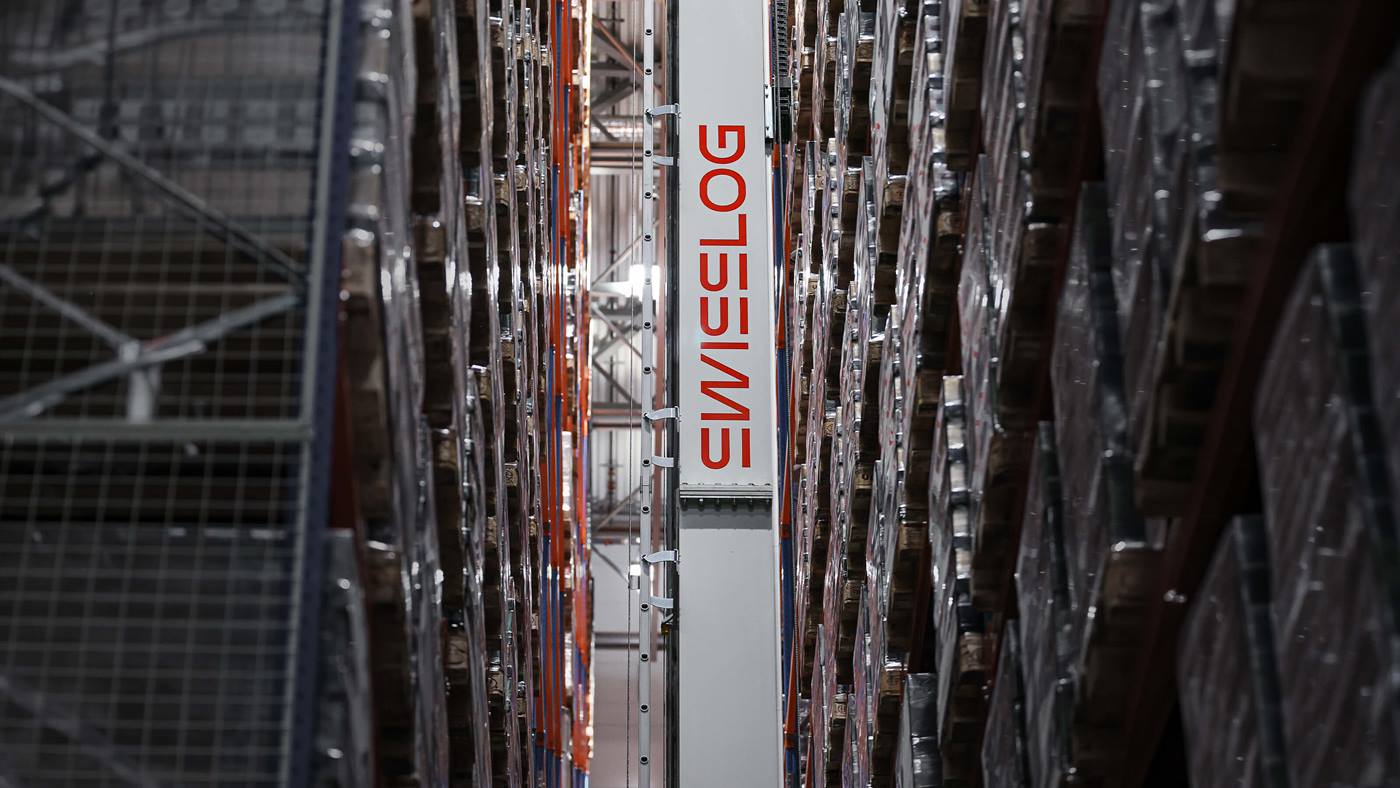
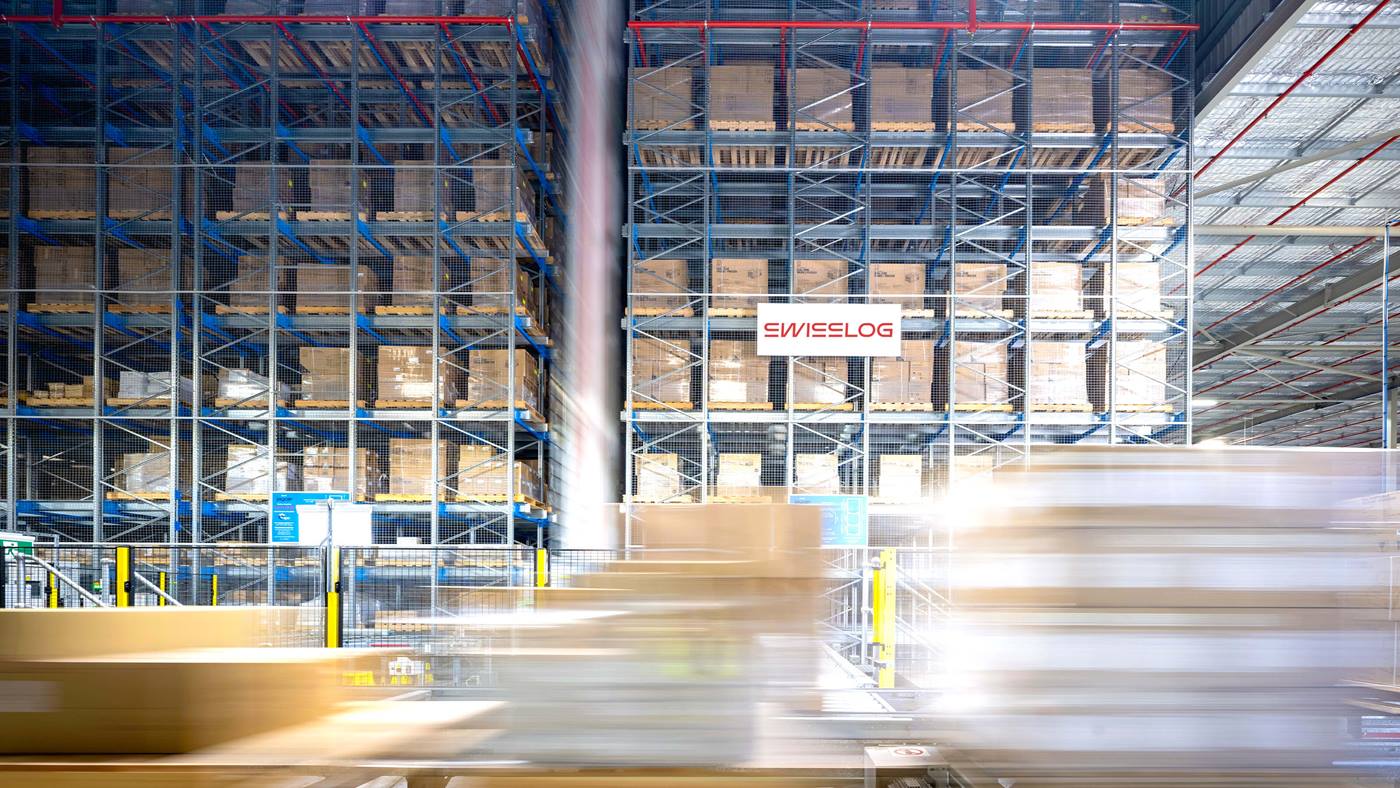
Automated stacker cranes, such as Swisslog's Vectura range, are the go-to solution when building height is available and SKU mix is broad or unpredictable.
Single-, double-, and multi-deep configurations give them flexibility across a wide range of operational profiles, and their load capacity of up to 3,500 kg makes them the strongest option for bulky or heavy goods.
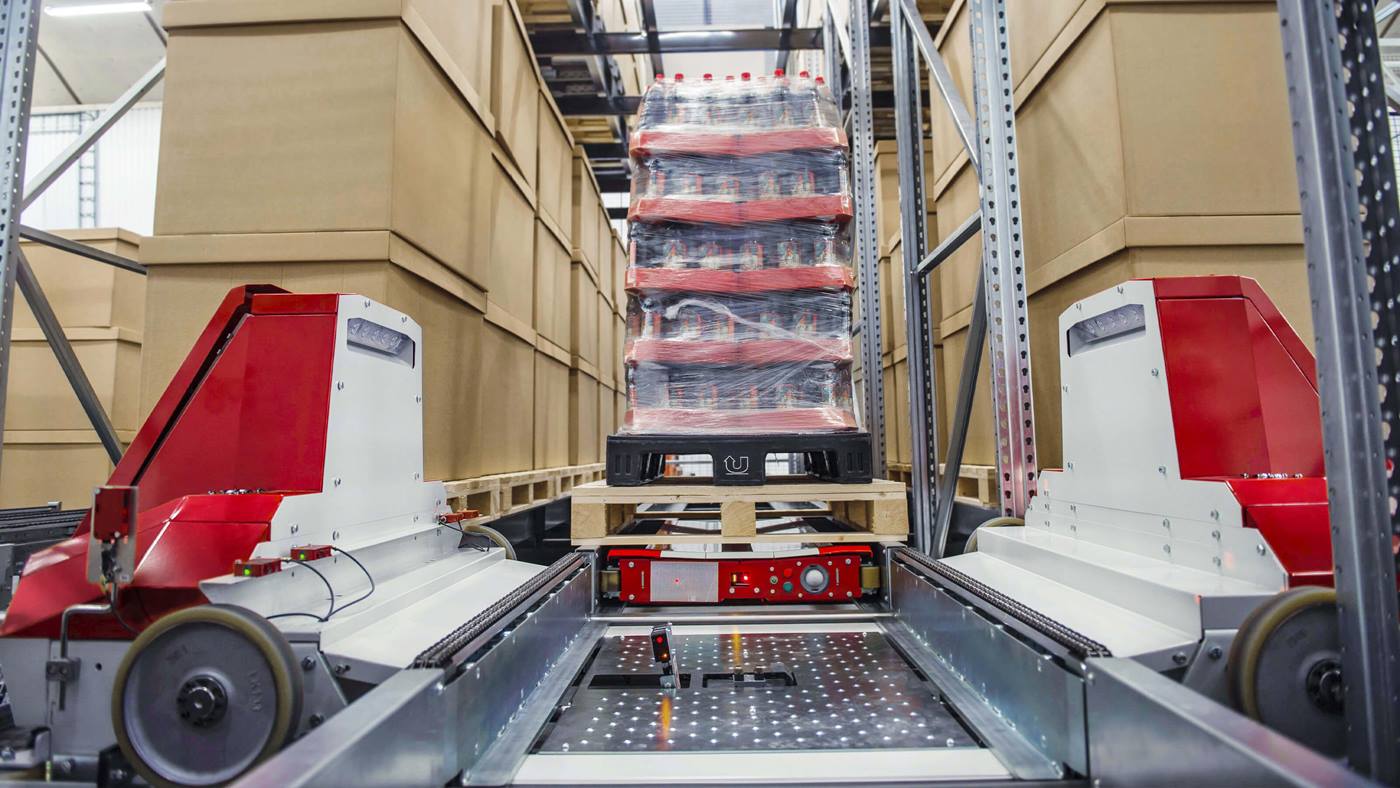
Bi-directional deep-lane shuttle systems, including Swisslog's PowerStore, are built for maximum storage density.
Using a mother-child shuttle mechanism with independent lifts, they can handle up to 200 pallets per hour per cell, making them well suited to high-volume operations with a lower SKU count where channel depth is an advantage rather than a constraint.
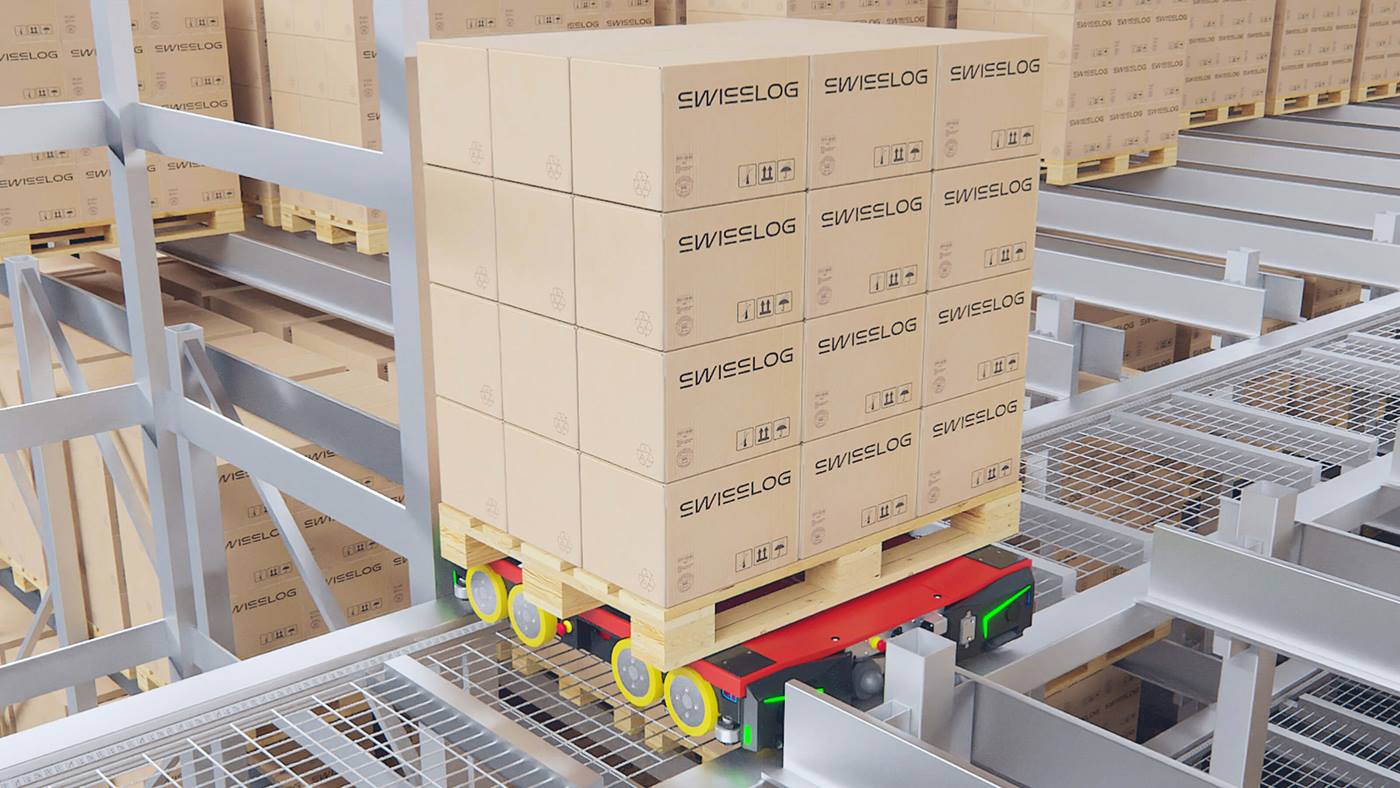
4-way roaming shuttles, like Swisslog's AgileStore, offer a different kind of flexibility.
Traveling forward, backward, laterally, and vertically, they can navigate across aisles and levels without fixed infrastructure, making them a practical fit for irregular building layouts, limited ceiling heights, or operations that need to scale incrementally by adding shuttles as demand grows.
Across the market, these automation solutions reflect trends toward modular systems, faster implementation, and integration with warehouse management systems that improve inventory visibility.
What the pallet warehouse automation decision comes down to
No single technology wins across every scenario. The right choice depends on a combination of factors: how many SKUs you handle and how that mix is likely to change, the throughput your system needs to sustain at peak, the physical constraints of your building, and how the storage system will connect with transport and fulfillment processes.
Simulation plays an important role in evaluating these trade-offs before any capital is committed. Metrics like throughput in pallets per hour, average cycle times, and resource utilization across cranes, shuttles, and lifts give a data-driven basis for comparing design alternatives and identifying potential bottlenecks early.
Software is not an afterthought
Whichever technology you choose, its performance depends heavily on the software running it. Real-time optimization, intelligent slotting, robust fault recovery, and seamless integration with WMS platforms, including SAP EWM and Swisslog's SynQ, are what separate a system that performs consistently from one that struggles under pressure.
Hardware sets the ceiling; software determines how close you get to it. In an automated warehouse, the right software and WMS configuration allows management to use data to optimize order flow, improve picking accuracy, and increase efficiency across warehouse operations.
Finding the right fit for pallet warehouse storage automation
If you need pallet storage solutions that store more pallets in less space, storage retrieval systems can increase throughput, improve efficiency, and reduce manual touches in the warehouse.
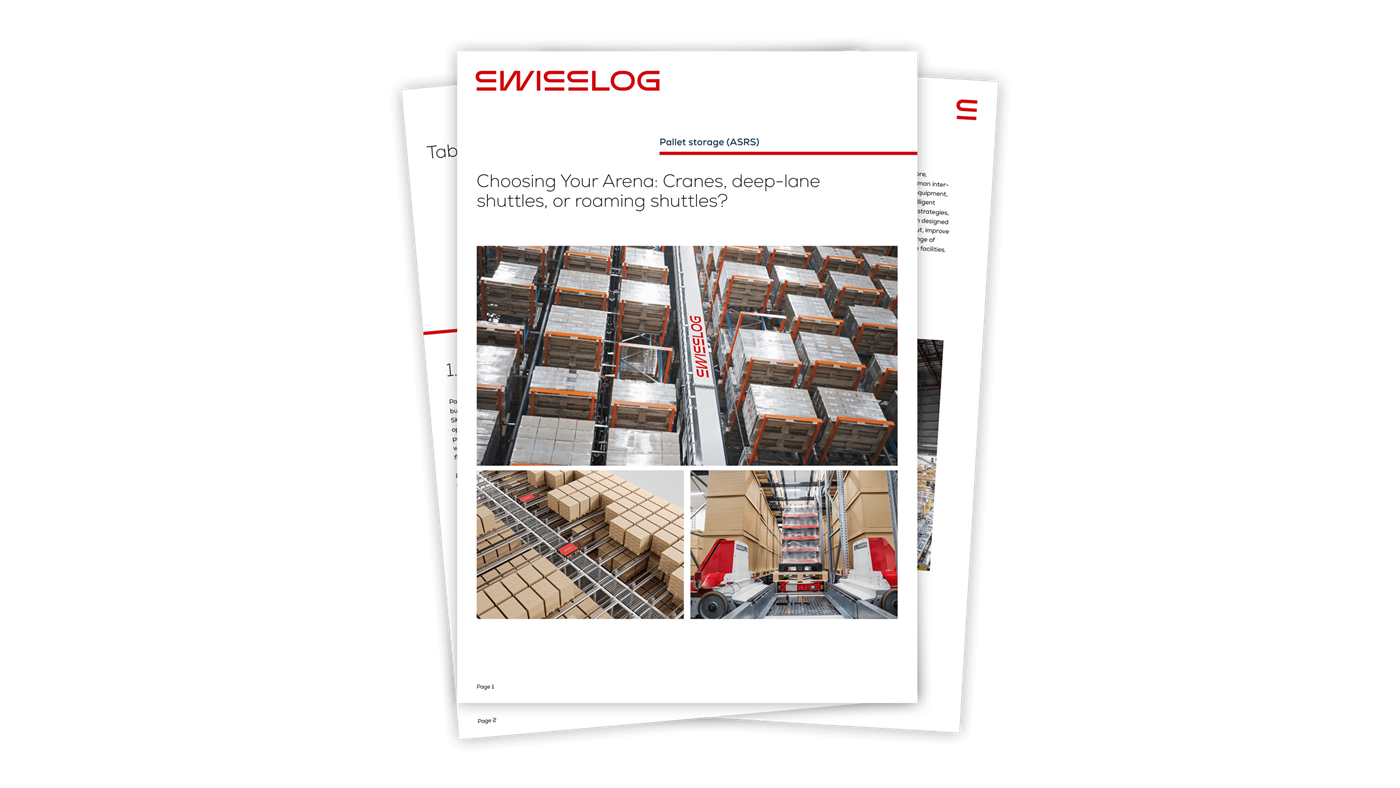
Our helpful white paper sets out a clear framework for matching each technology to the operational environment where it performs best, covering warehouse layout, SKU profile, throughput requirements, load capacity, environmental conditions, and long-term scalability. Whether you are planning a new facility, expanding an existing one, or rethinking a storage setup that is no longer keeping pace, Choosing Your Arena gives you the structured comparison you need to make a confident, well-informed decision.