Swisslog SAP EWM - Seamlessly integrated with controls and automation technology
A comprehensive solution from a single source - we automate your warehouse with SAP EWM!
Why choose Swisslog for SAP EWM?
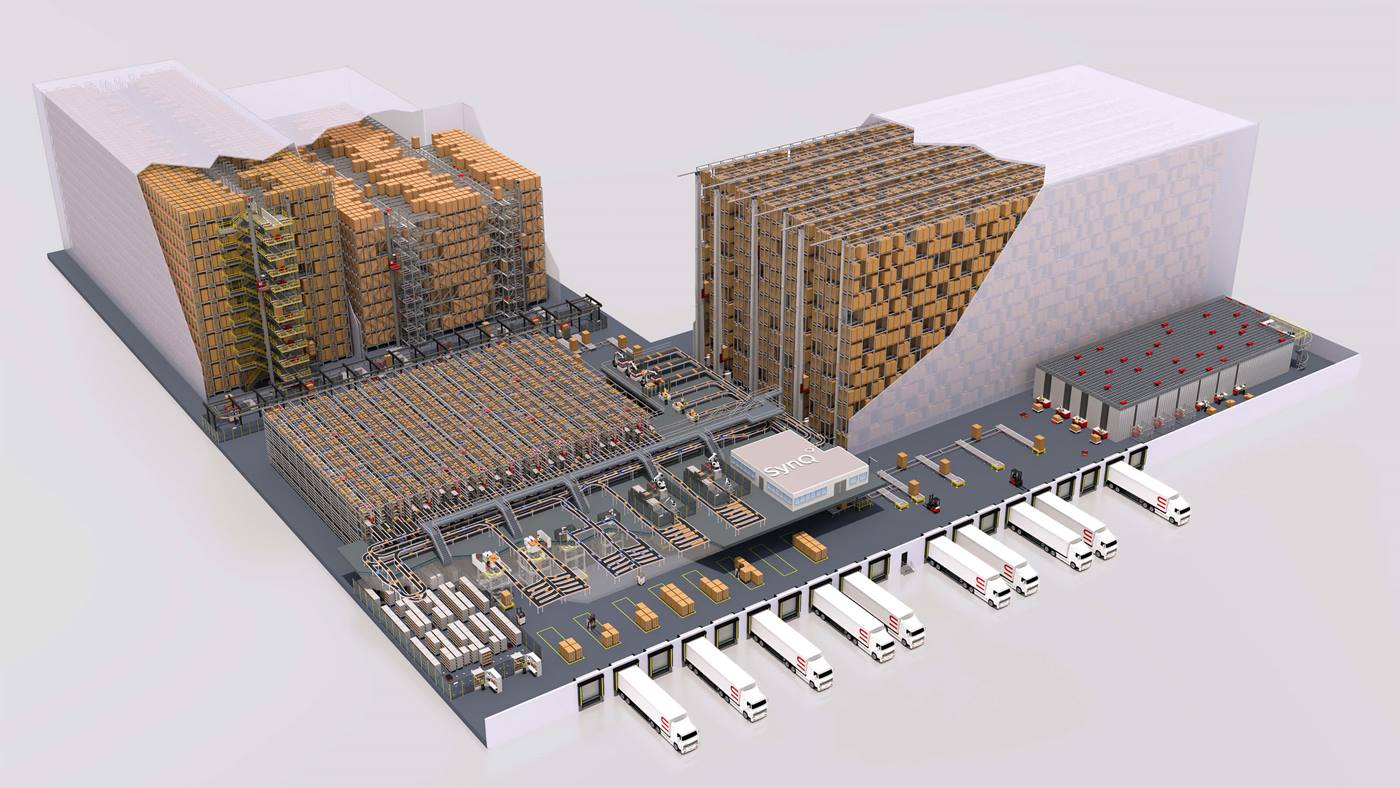
We seamlessly integrate our automation technology into SAP EWM using the SAP material flow standard. Your advantage: no additional software between SAP EWM and the automation, with the highest performance, operational safety, and full release capability. This applies to our entire range of services, including AutoStore. Our development engineers ensure the timely integration of our SAP EWM expertise during product development, creating real integration value.
By providing automation hardware technology, control software, and EWM end-to-end processes from a single source, we deliver the implementation and operation of a seamlessly integrated solution across all warehouse processes and a unified material flow organization for the entire warehouse site.

Swisslog is a leading SAP EWM partner
SAP EWM is a highly standardized and efficient warehouse management system for manual and automated warehouse solutions with material flow functionality that allows the direct connection to controls of automated storage areas.
Swisslog, a leading SAP EWM partner, has been a Service Partner of SAP AG, Walldorf, since 2012 and specializes in the delivery of services in connection with SAP EWM.
WMexperts platform
WMexperts.online, a platform for content and knowledge exchange around SAP EWM, operates in close collaboration with our EWM team.
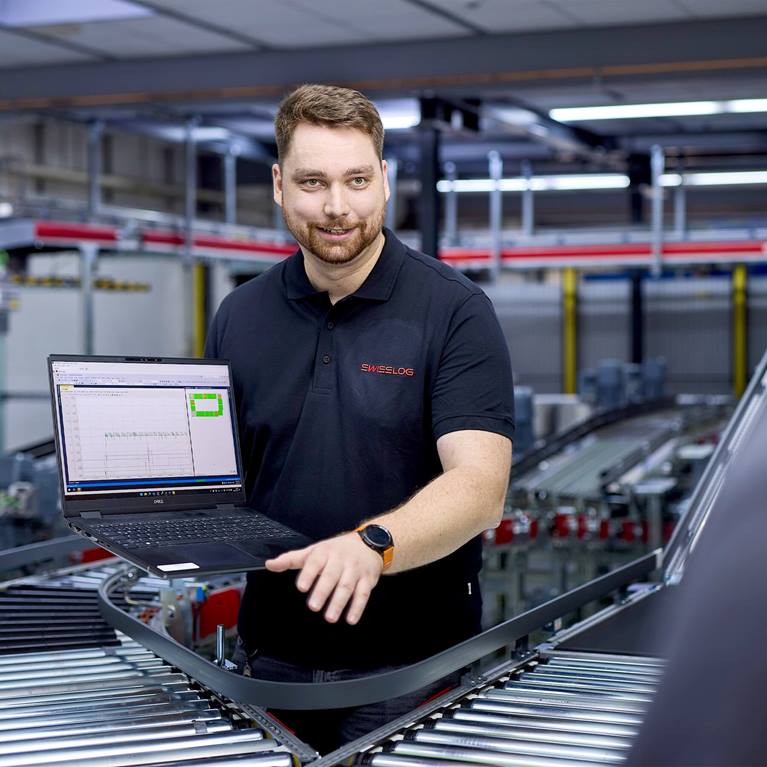
Hendrik, one of our team members, regularly posts functional tutorials about SAP EWM and around the integration of automation and SAP EWM.
FAQ: What you need to know about SAP EWM
What is an SAP EWM implementation and integration partner?
An SAP EWM implementation and integration partner is a company that supports customers in designing, implementing, and integrating SAP Extended Warehouse Management (EWM) within their warehouse landscape.
This typically includes:
- Configuring SAP EWM within SAP S/4HANA or decentralized EWM environments
- Implementing warehouse processes (inbound, outbound, internal movements)
- Integrating automation systems using SAP EWM MFS or standard interfaces
Swisslog is an SAP service and implementation partner, specializing in end-to-end integration of SAP EWM with warehouse automation systems such as conveyors, AS/RS, shuttles, and robotics. With its combined expertise in SAP software and intralogistics automation, Swisslog delivers fully integrated warehouse solutions from software design to physical system integration.
What are the main strategies for migrating from SAP WM to SAP EWM?
The three main approaches are greenfield (a new S/4HANA implementation built from scratch), brownfield (an in-place system conversion that preserves existing data and configuration), and Selective Data Transition (a hybrid migration that moves selected data into a new environment). The right choice depends on the level of custom development and processes in the existing system, the complexity of automation interfaces, and the organisation's appetite for process redesign.
Can SAP WM still be supported after 2027?
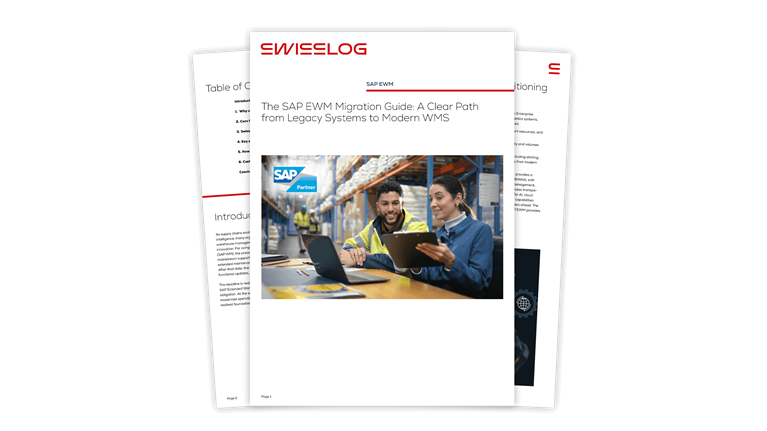
SAP's extended maintenance for SAP Warehouse Management ends on December 31, 2027. After that date, no security patches, regulatory updates, or technical support will be provided by SAP. Third-party maintenance providers may offer continued support, but these arrangements do not address the underlying limitations of the platform — particularly its inability to integrate natively with SAP S/4HANA or modern automation systems.
What are the recommended steps of an SAP WM to EWM migration?
A structured migration typically follows six steps:
- Current-state assessment — Analyse existing SAP WM processes, custom developments, interfaces, and automation integration.
- Migration strategy definition — Select greenfield, brownfield, or selective transition based on business and IT goals.
- Master data preparation — Cleanse and harmonise material, warehouse, and business partner data.
- Solution design & interface setup — Redesign warehouse processes and redefine integration with ERP and automation systems.
- Testing & validation — Execute integration, user acceptance, and performance tests to ensure operational readiness.
- Cutover & go-live — Transition to EWM with structured cutover planning, monitoring, and hypercare support.
How long does an SAP WM to EWM migration take?
The duration depends on system complexity, automation level, and migration approach.
Typical timelines are:
- For a greenfield project: ~12–24 months
- For a brownfield project: ~9–18 months
- With a selective data transition: ~12–20 months
Key influencing factors are:
- Number of warehouses and processes
- Degree of automation integration
- Data quality and system landscape
- Business readiness and change management
What should we do now to prepare for an SAP WM migration?
To enable a smooth transition to SAP EWM, organisations should prepare early:
- Stabilise the current system
Avoid new custom developments in SAP WM - Document system landscape
Capture warehouse processes, interfaces, and automation integrations - Cleanse and standardize master data
Improve data quality for migration readiness - Review automation integration
Assess current control systems and future integration via SAP EWM MFS or middleware - Define target architecture
Align on embedded vs. decentralized EWM and S/4HANA strategy - Start partner evaluation early
Select experienced SAP EWM and automation integration partners