Shelf-to-Person mobile robots vs. Transport AMR: Which technology belongs in your warehouse?
Quick facts
- The two technologies address different stages of the warehouse process and are designed to work together, not compete
- Shelf-to-person mobile robots bring storage racks directly to picking stations, eliminating non-value-added travel for warehouse staff, but typically operate within defined, fenced areas
- AMRs are designed for horizontal transportation across the facility and navigate autonomously using SLAM and LiDAR technology, adapting routes in real time without fixed infrastructure, and operate safely alongside people and forklifts
- Combined, they can automate the flow between inbound, storage, picking, consolidation, and shipping with little or no conveyor investment
Mobile robotics is one of the fastest-growing areas of warehouse automation, but not all mobile robots do the same thing. Two applications are increasingly central to modern intralogistics strategies: shelf-to-person robots, which store inventory and bring it to the picker, and transport AMRs, which keep pallets and materials moving across the facility. Both are mobile robots, but they differ in how they navigate, where they operate, and what they are designed to do. Choosing the right one, or the right combination, depends on where flexibility is most needed in your material flow.
Shelf-to-person robots: The goods come to you
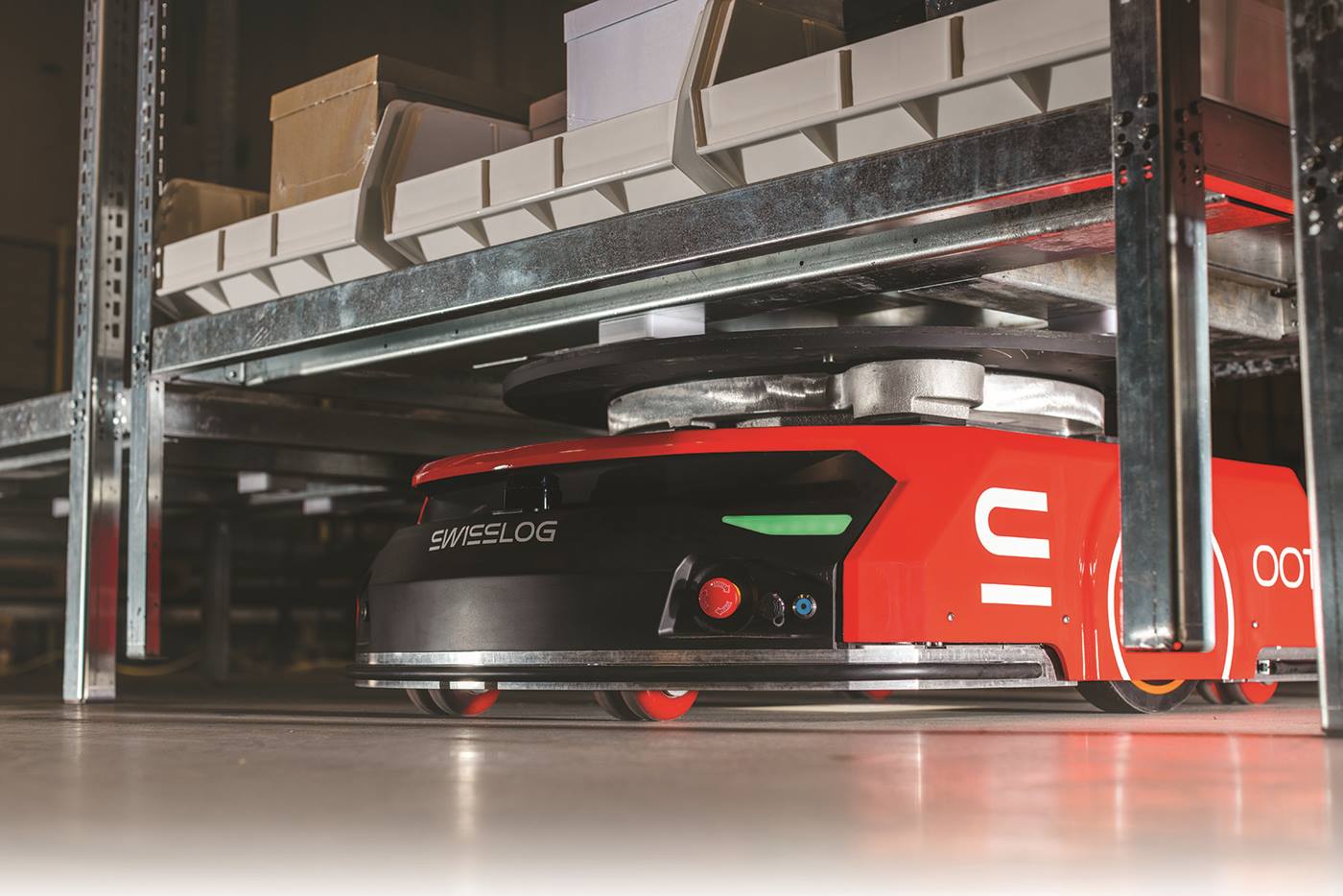
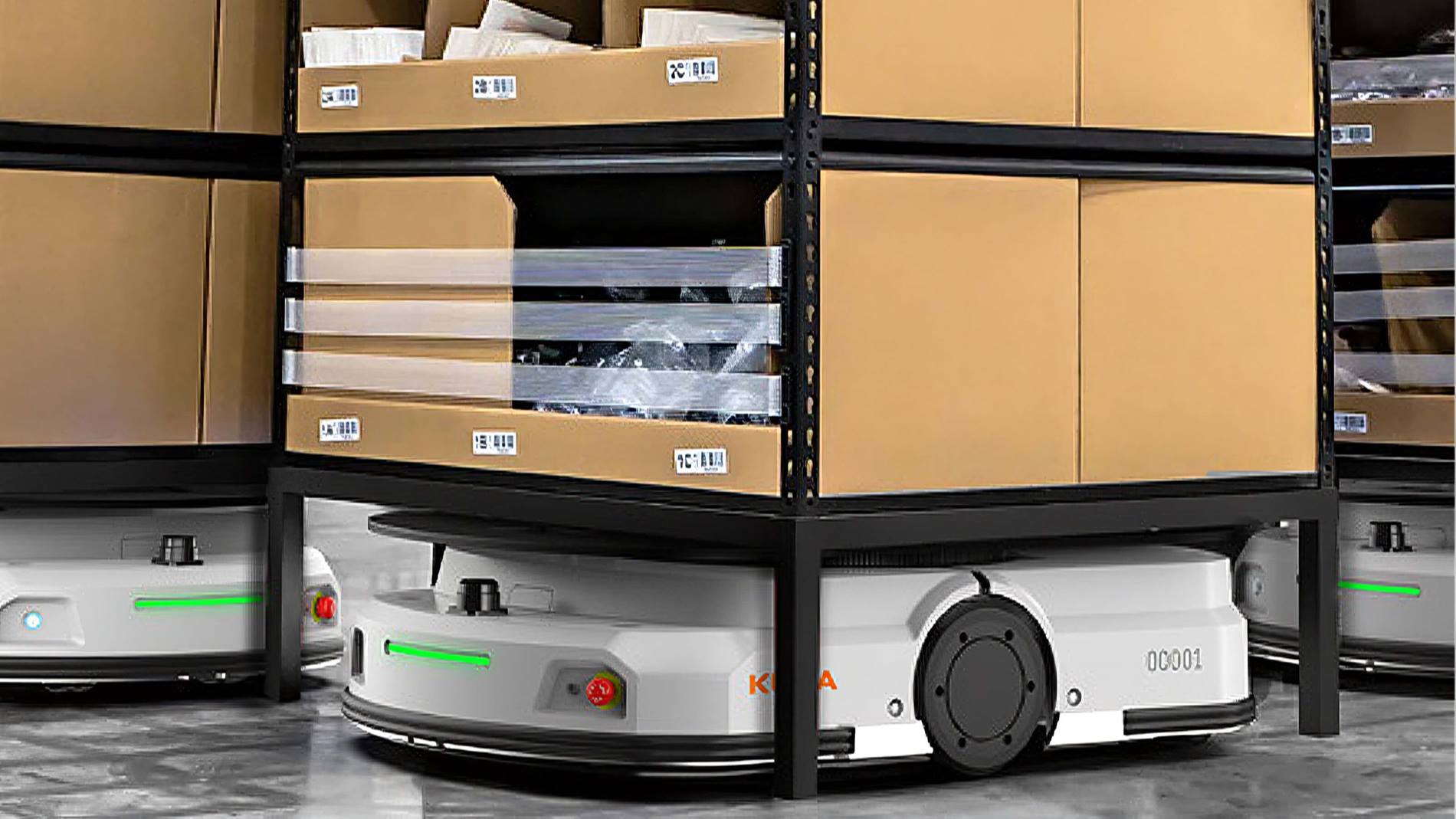
The principle behind shelf-to-person robots is straightforward. Instead of operators walking to pick locations, mobile robots retrieve storage racks and bring them directly to ergonomically designed picking stations. The result is less non-value-added travel, better picking accuracy, and a more comfortable working environment for staff.
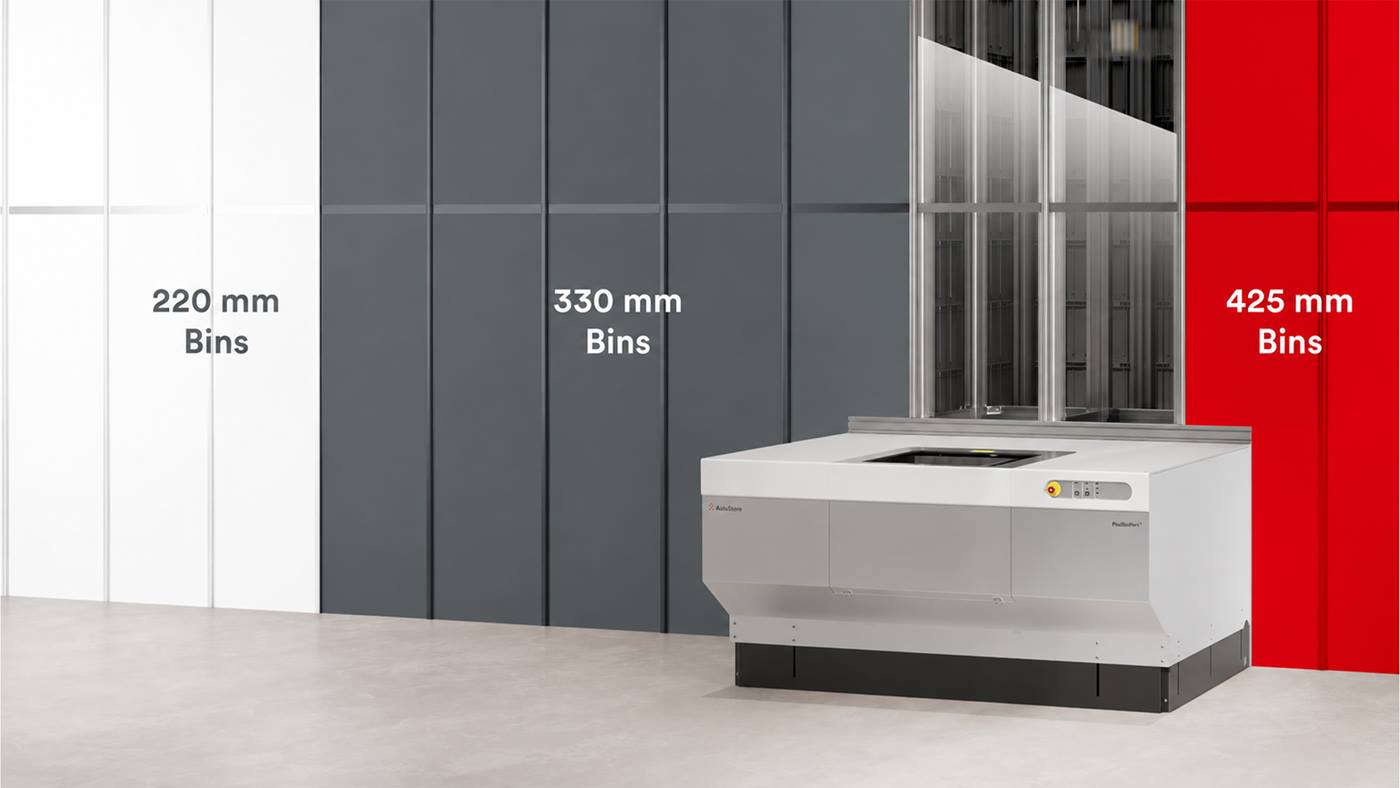
This approach works particularly well for operations with broad and frequently changing SKU portfolios, high-speed fulfillment requirements, or facilities where building height or layout constraints rule out traditional high-bay storage. Scalability is a practical advantage too: adding racks increases storage capacity, while adding robots increases throughput, independently of each other. Shelf-to-person robots are well suited to omnichannel fulfillment, e-commerce distribution, spare parts warehousing, and any environment where a wide mix of products needs to be picked quickly and accurately.
AMRs for horizontal transportation: Keeping materials moving
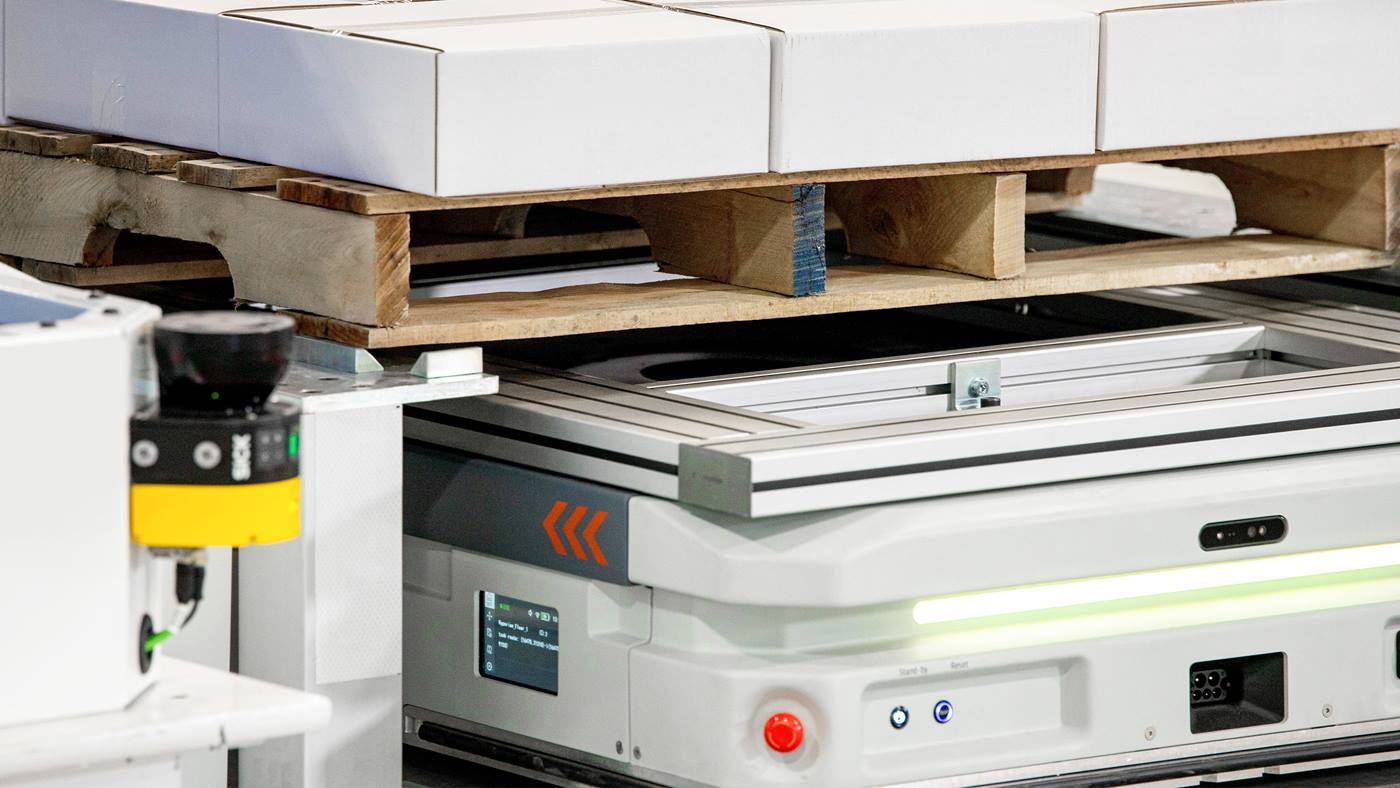
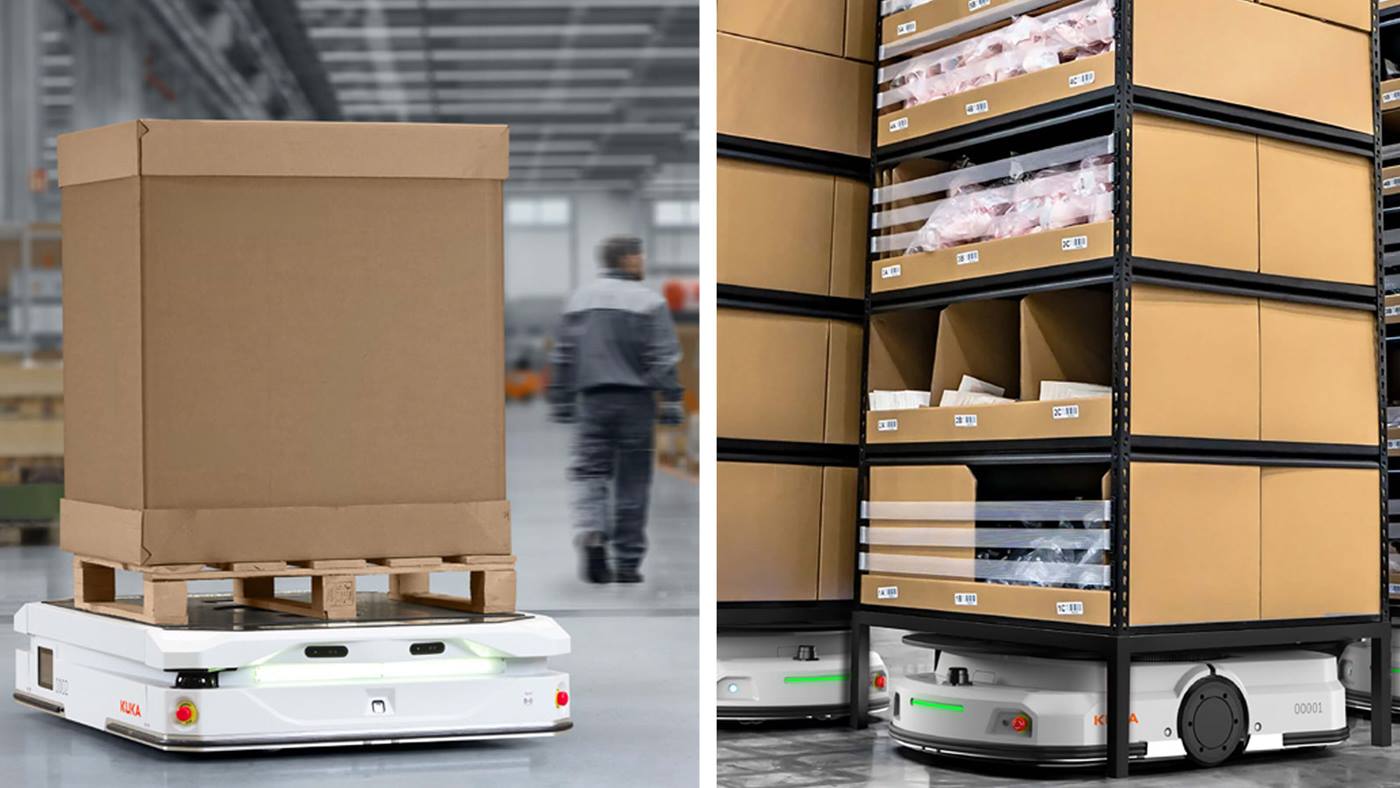
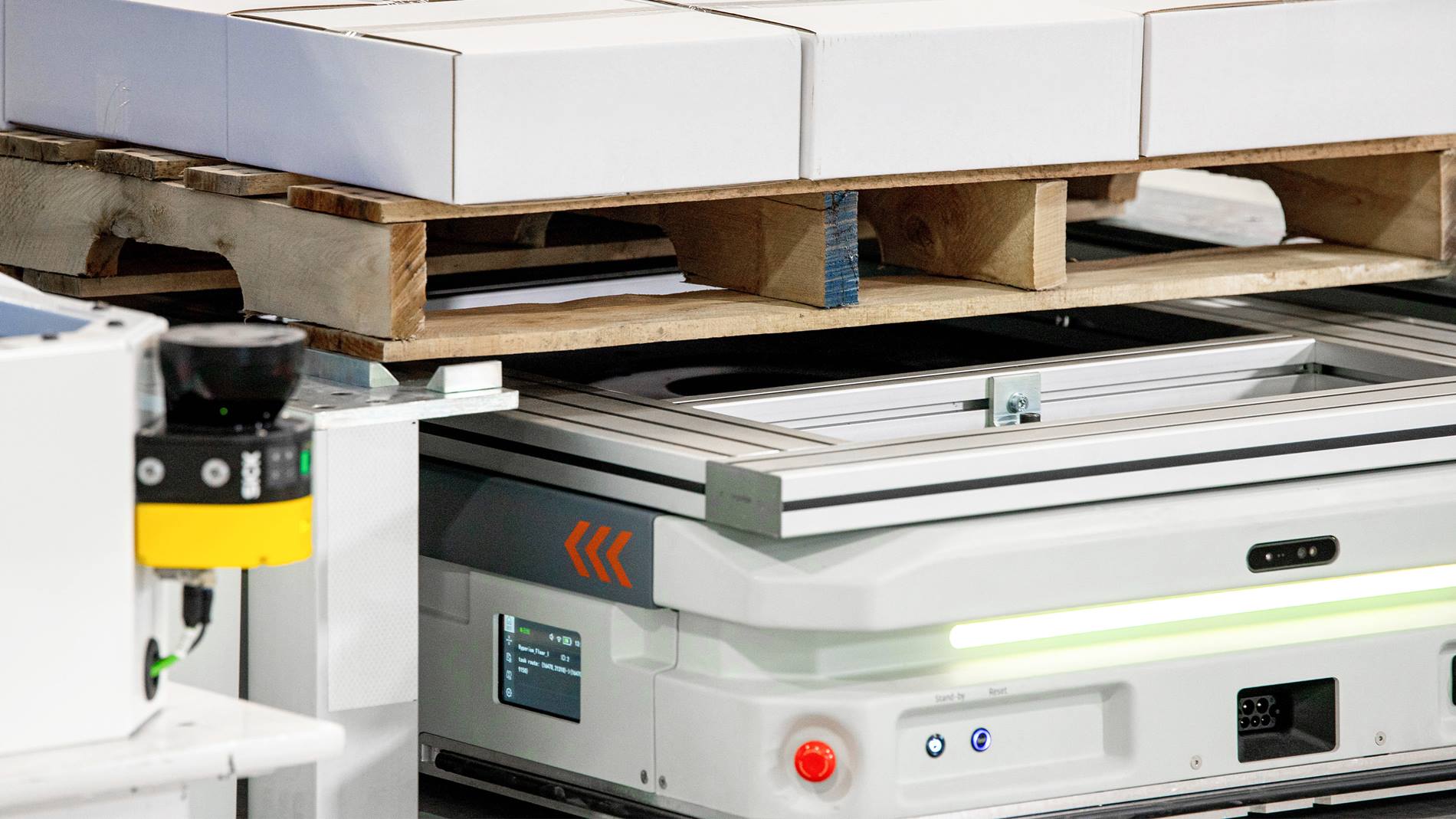
Where shelf-to-person robots work within a defined, fenced zone, AMRs for horizontal transportation operate across open and dynamic warehouse environments. They localize themselves using laser-based natural navigation (SLAM), so no floor-installed guidance is required, and routes can be changed in software as layouts evolve. Certified safety laser scanners, often supplemented by 3D cameras, detect people and obstacles and slow down or stop the vehicle, allowing safe operation in mixed traffic in line with EN ISO 3691-4.
These robots handle the movement of pallets, containers, and materials between receiving, storage, production, buffer, and shipping areas. With payload capacities typically reaching up to 3,000 kg, these robots support a wide range of industrial applications and intralogistics requirements, particularly in e-commerce fulfillment, retail, 3PL logistics, FMCG, food & beverage, electronics, and pharmaceuticals. Unlike AGVs, transport AMRs navigate using onboard sensors and digital maps, meaning they can be deployed more rapidly with minimal disruption, and their routes reconfigured as warehouse layouts or workflows change. Typical AMR applications include production line supply, transport between warehouse zones, cross-docking, picking support, and internal material circulation.
Better together
By combining the two technologies within a coordinated material flow, warehouse operations can benefit from the complementary strengths of both approaches. AMRs move inbound pallets from receiving to storage buffers or dedicated replenishment workstations, where operators transfer the goods into the storage shelf. Shelf-to-person robots manage storage and then deliver inventory to picking stations when orders are released.
Once picking is complete, AMRs transport finished orders to consolidation, packaging, or shipping. The result is a continuous, largely automated process with minimal manual handling at any stage, and without the need for large-scale conveyor investment. Each technology handles the task it is designed for, and the handover between them keeps the material flow moving.
The software layer matters
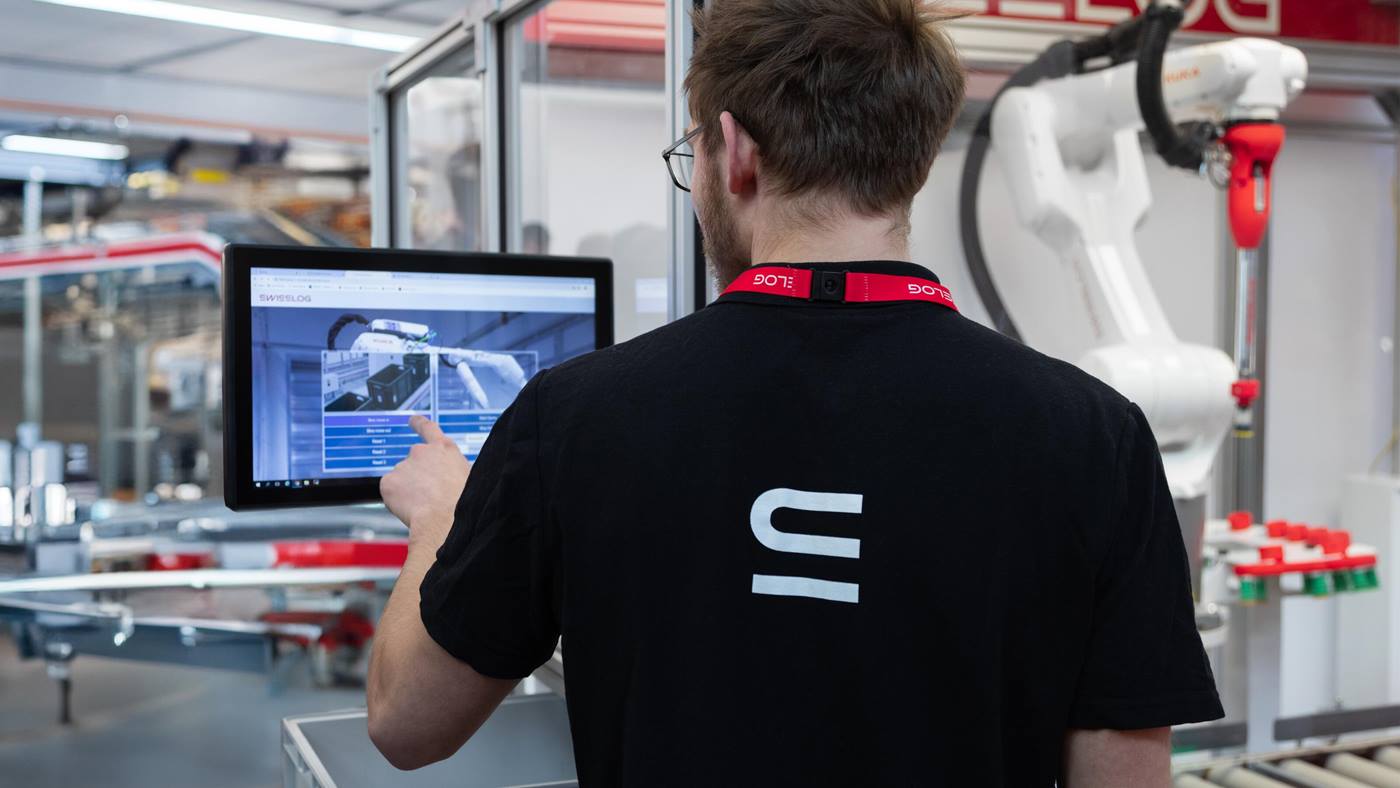
Both systems rely on fleet management software, but their requirements differ considerably. Shelf-to-person fleet software focuses on picking productivity, managing order waves, inventory positioning, and pick station workload balancing. Transport AMR software prioritizes movement efficiency, assigning jobs based on proximity, battery level, and real-time traffic conditions. Both need to integrate cleanly with the wider WMS and WES, which orchestrate the tasks across both fleets. Open interfaces and standards such as VDA 5050 make this easier and keep the system flexible for future expansion. Getting the software layer right is just as important as the choice of hardware.
For operations considering mobile robotics for the first time, or looking to extend an existing automation footprint, understanding these distinctions is the foundation of a sound technology decision.
FAQs
Can shelf-to-person robots and transport AMRs work in the same facility?
Yes, and this is often the most effective approach. Each technology handles a different part of the material flow, and when orchestrated through the WES or WMS, with well-designed handover points, they create a coordinated process from inbound to shipping.
Do AMRs for horizontal transportation require infrastructure changes?
Unlike AGVs, transport AMRs navigate using onboard sensors and digital maps rather than embedded wires or magnetic strips. In most cases they can be deployed rapidly with limited disruption to existing operations.
Are shelf-to-person robots suitable for brownfield facilities?
They are particularly well suited to facilities with limited building height, making them a practical option for existing sites that cannot accommodate high-bay storage. A sufficiently large, level floor area for the robot grid is the main requirement.
How do shelf-to-person robots and transport AMRs scale?
Both are designed for incremental scaling. For shelf-to-person systems, adding racks increases storage capacity and adding robots increases throughput. For transport AMRs, fleet size can be expanded as transport demands grow, without changes to the wider infrastructure.

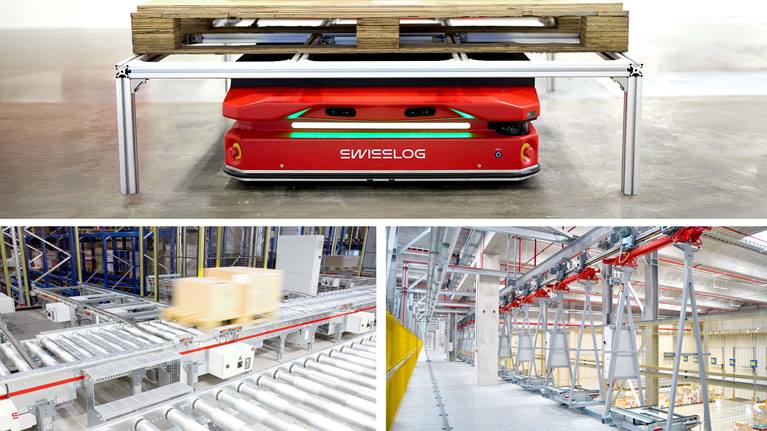
Descubra cómo el transporte horizontal optimizado de palés puede generar importantes beneficios en las operaciones de almacén gracias a la mejora de la velocidad, la seguridad y la escalabilidad.