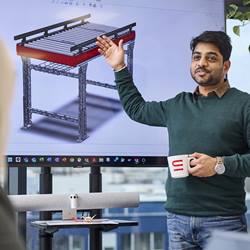
Building relationships that maximize the value of automation
Our industry expertise for your business challenges
Swisslog’s automated warehouse solutions are transforming the food supply chain, addressing challenges from production to point of sale for manufacturers, distributors, and retailers worldwide.
The future of grocery logistics is intelligent, agile and scalable — a future only made possible by automated distribution networks. Is it time to rethink your fulfillment strategies?
What challenges must your fashion and apparel warehouse automation system overcome? From omnichannel fulfillment and returns to seasonal demand, SKU variability, and global inventory flows - only a configurable, scalable solution can meet the complexity of modern apparel logistics.
Customer satisfaction in the dynamic world of general merchandising, relies on quick and accurate order delivery. With flexible automation solutions, we can empower your retail and e-commerce operations with more efficient processes to support your business goals.
Experience future proof automated intralogistics solutions
From traditional high bay warehousing for pallets to robotic case and item picking. Explore our solution portfolio below.

-
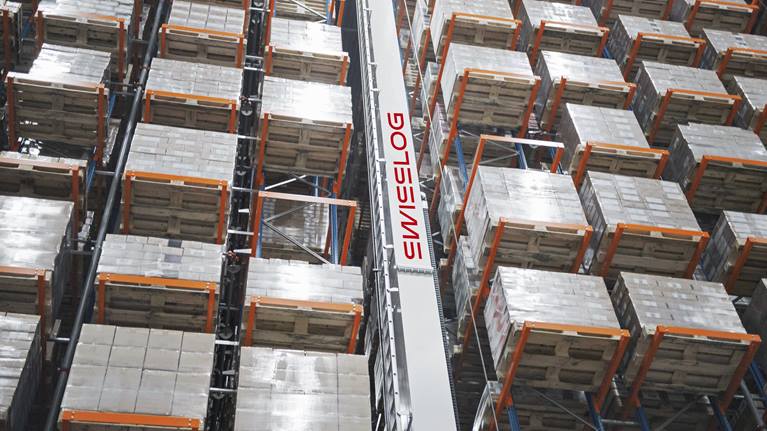
Energy-efficient high bay pallet warehouse
![Swisslog Vectura stacker crane for high bay warehouse reduces energy consumption]() Go to pallet solutions
Go to pallet solutionsOptimized pallet concepts using storage & retrieval crane systems or shuttles.
-
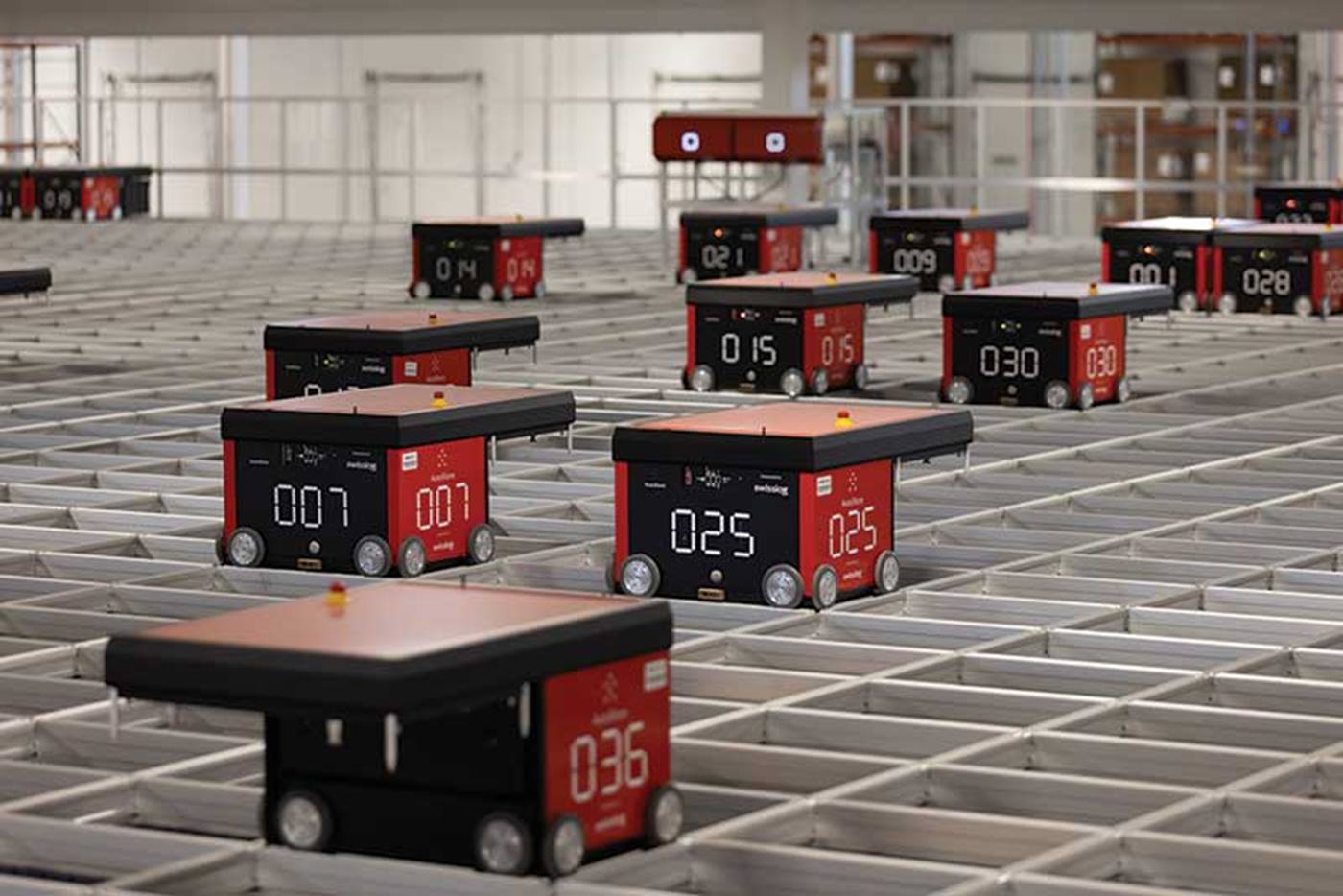
AutoStore: Highest storage density for item handling
![Swisslog AutoStore robots navigating a grid-based automated storage system]() Go to Swisslog AutoStore
Go to Swisslog AutoStoreAutoStore is an innovative cube-based storage and retrieval system for items, small parts and grocery products. The modular design allows for flexibility in form, shape and height. As a leading global integrator, we support your initial installation and ongoing expansion.
-
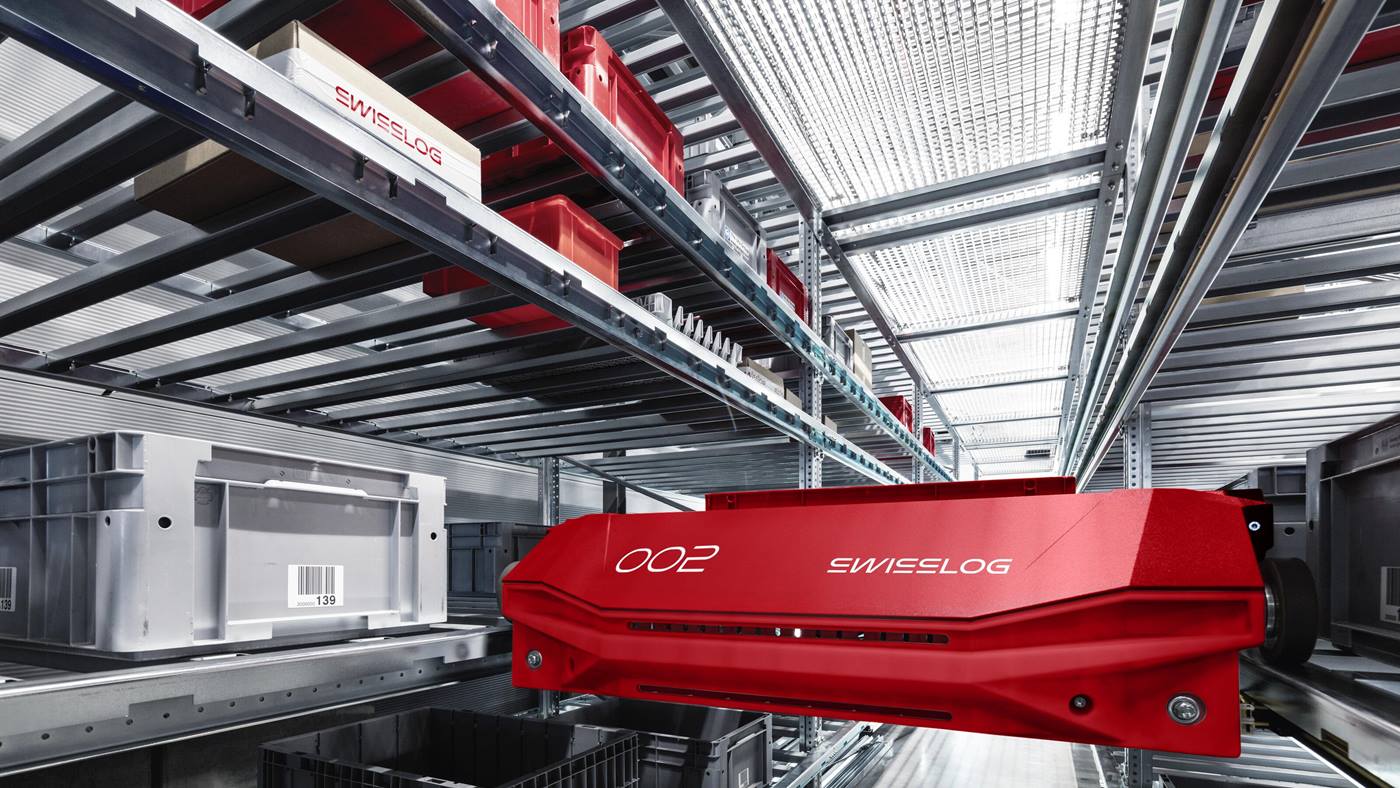
Miniload & shuttle solutions
![Swisslog CycloneCarrier shuttle system in warehouse automation solution]() Go to light goods solutions
Go to light goods solutionsFind out more about our miniload and shuttle solutions integrated with goods-to-person picking stations.
-
Semi or fully automated mixed case palletizing
![Automated robotic arm from Swisslog’s ACPaQ solution performing mixed case palletizing in a food manufacturing warehouse.]()
Palletizing solutions for highly efficient supply of stores with mixed product pallets or other transport units.
-
Item picking
![ItemPiQ robot]() Go to goods-to-person solutions
Go to goods-to-person solutionsThanks to pick and place robots and other smart goods-to-person solutions, you can optimize the quality and performance of your item picking.
-
Software & system control
![WMS Warehouse Management Software SynQ]() Go to software solutions
Go to software solutionsEnd-to-end software enabling seamless integration, real-time visibility and optimised material flow across all automation systems.
-
Transport systems & material flow
![]() Learn more
Learn moreAutomated transport solutions for pallets, cartons and totes, including conveyors and mobile robots, ensuring reliable, integrated material flow across the warehouse.


BJ’s Wholesale Club announces Ohio distribution center to accommodate growth
Cardinal Health, USA: Innovating healthcare operations through automation

Stemilt Growers, USA: Fresh food automation to improve inventory management

Master Electronics, USA: Goods-to-person automation with rapid results
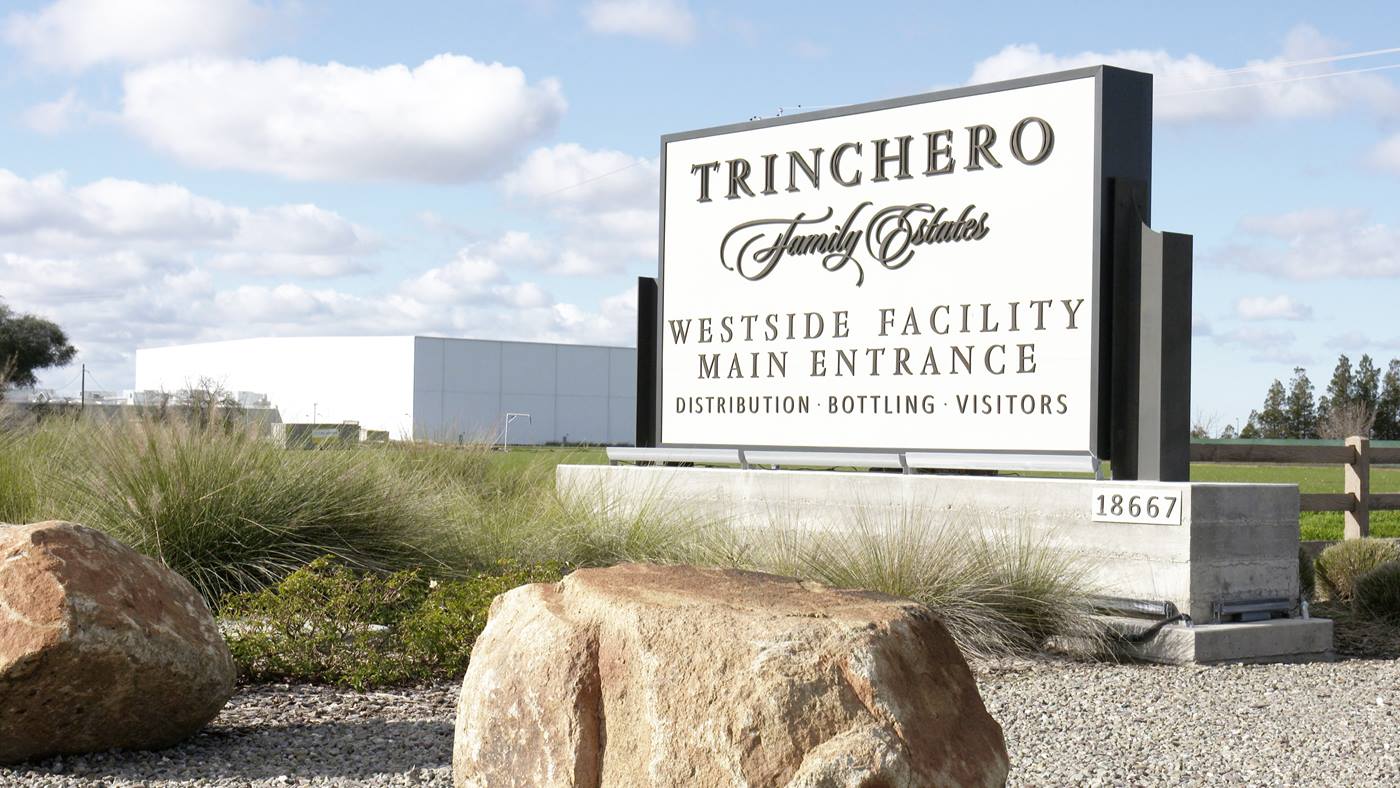
Trinchero Family Estates, USA: Fast storage and shipping conditions

Medline, USA: Long-term partnership enables speed, efficiency and resilience.
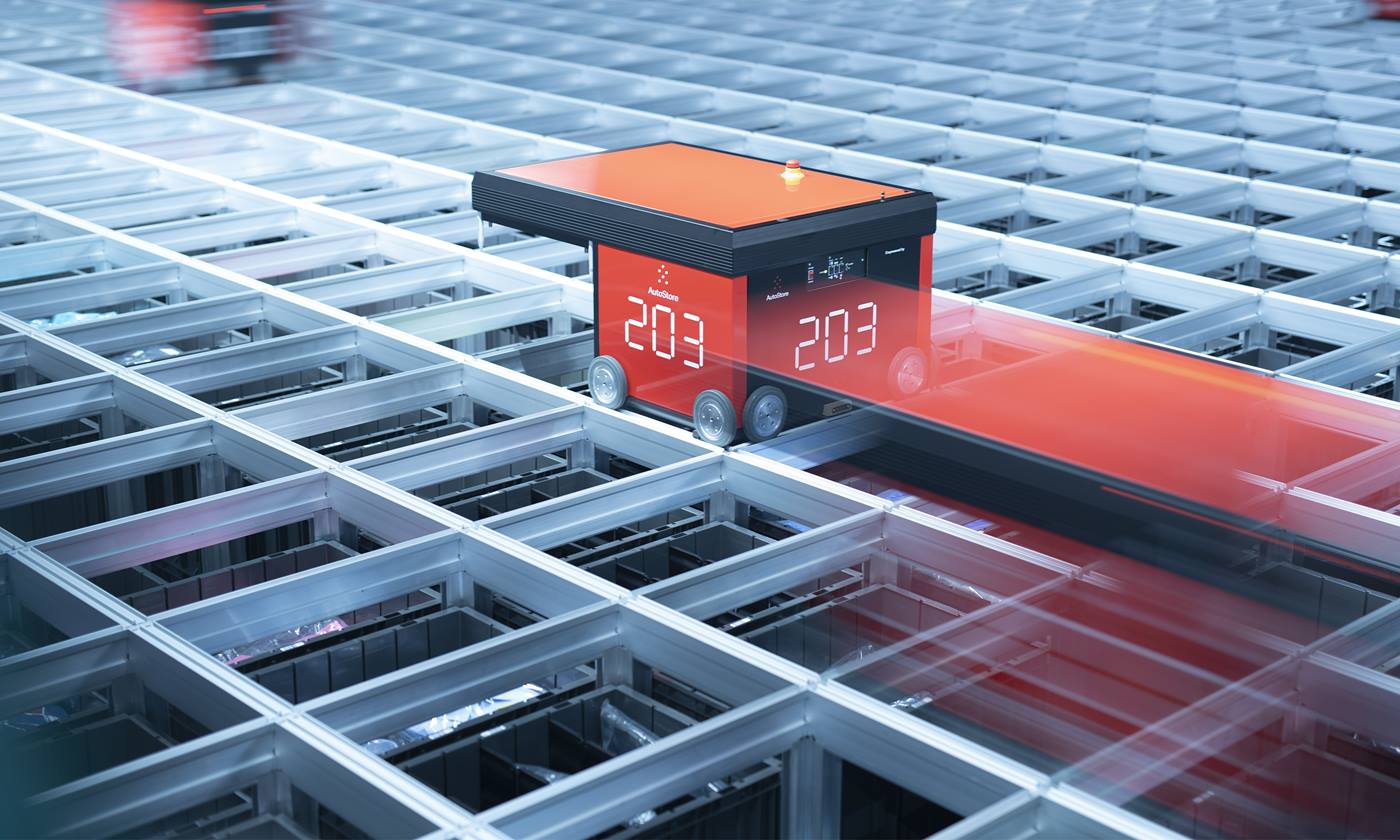
Federal Bureau of Investigation, USA: AutoStore ASRS
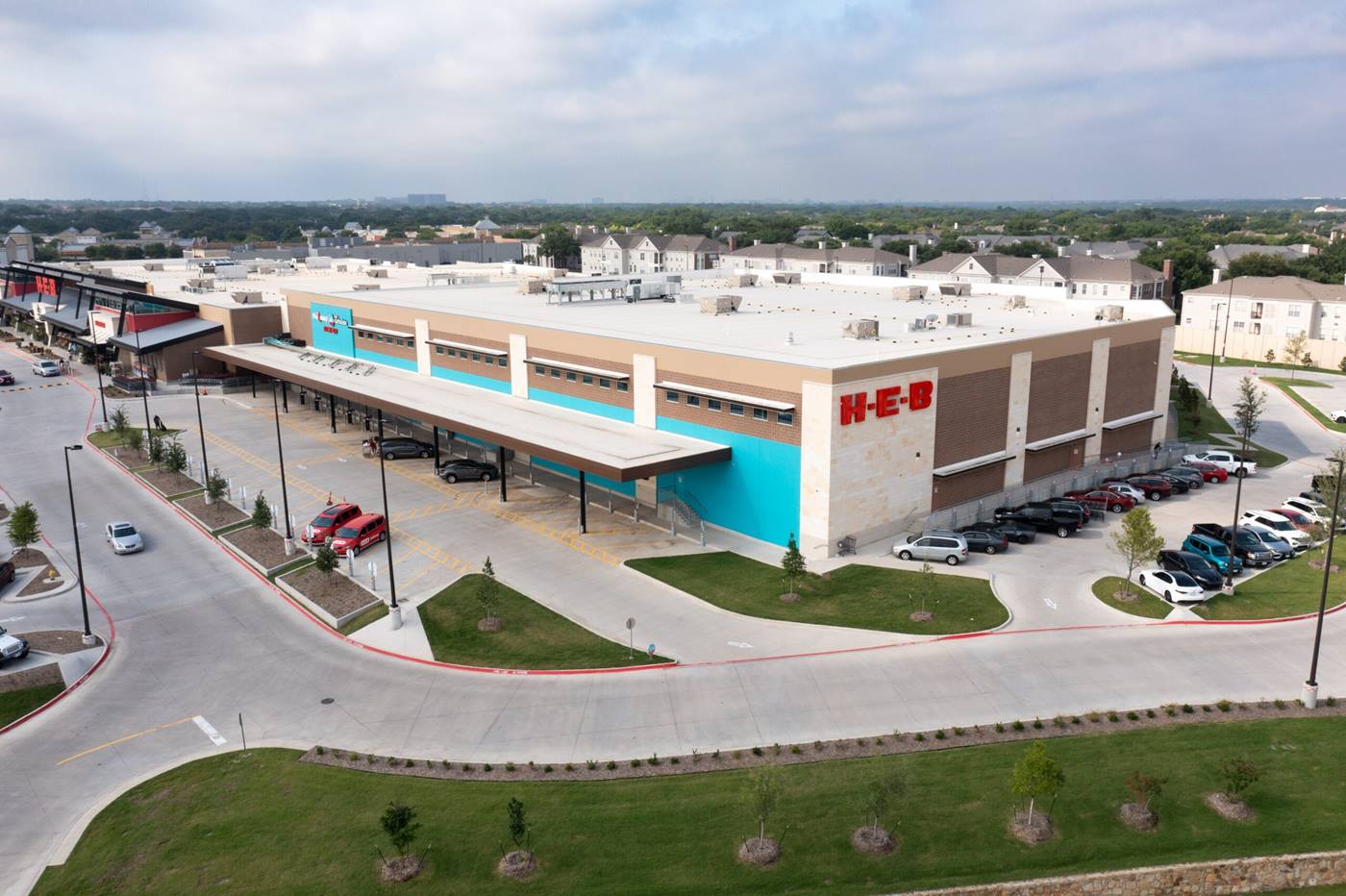
Swisslog Helps H-E-B Support E-grocery Growth, Solidify Leadership Position

dm-drogerie markt, Germany: Highly automated DC with a focus on people
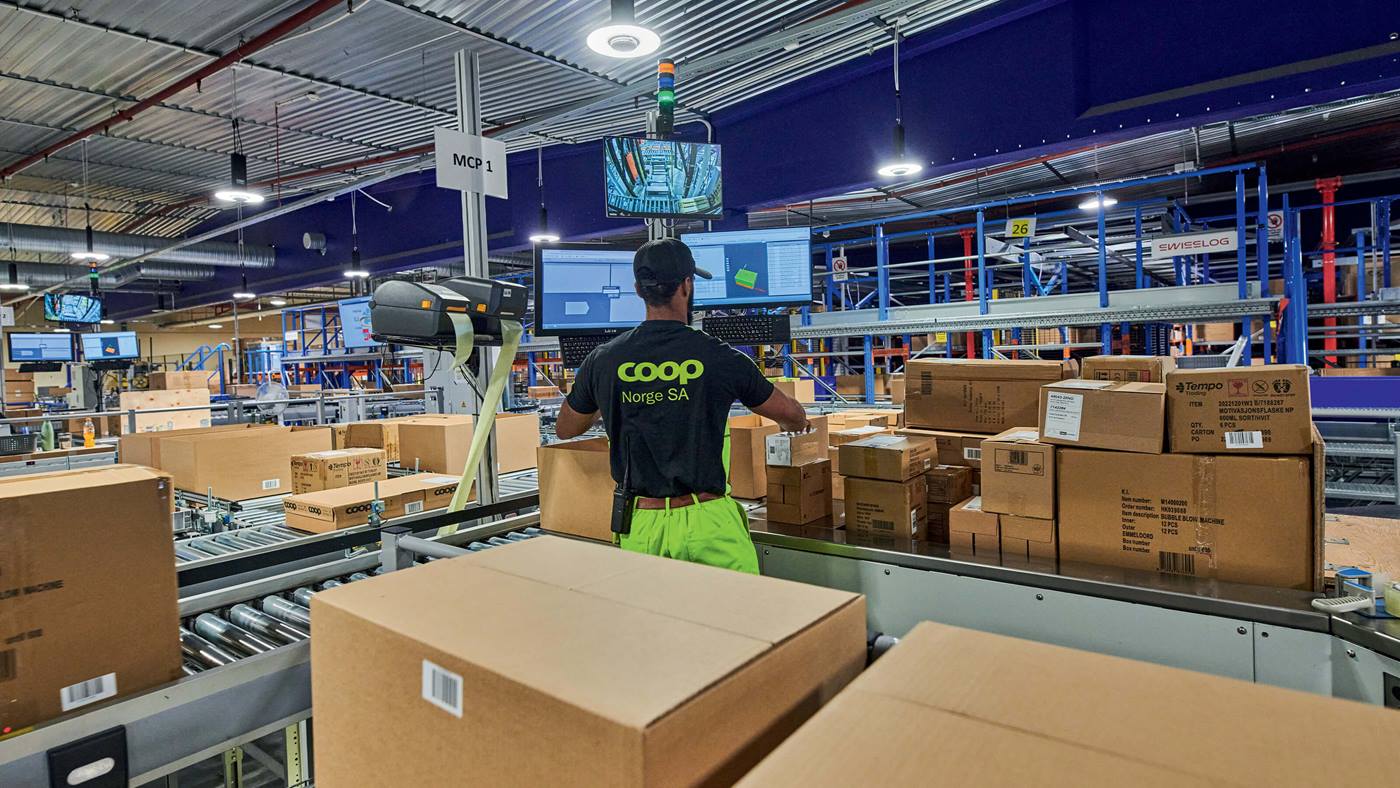
Coop, Norway: A smart automated logistics facility for all needs
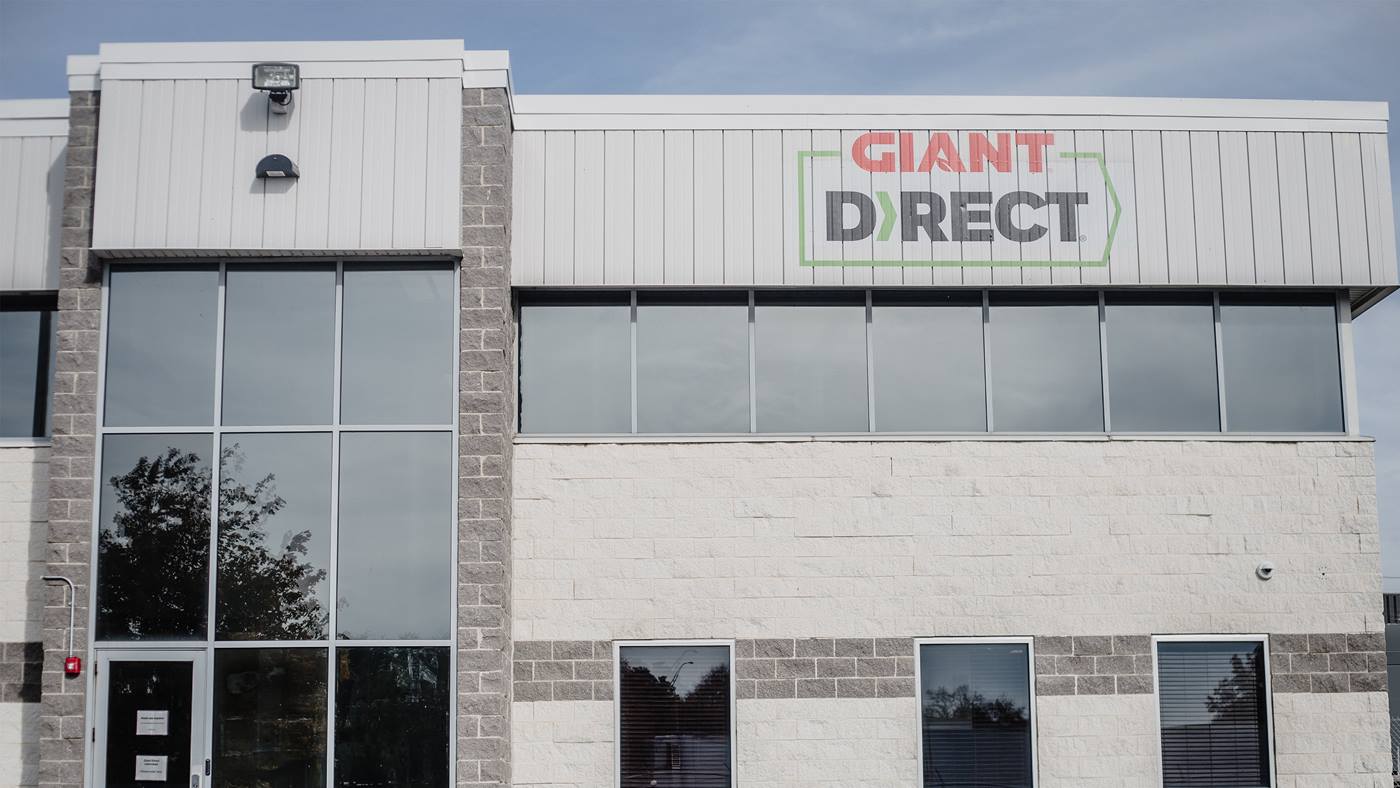
The GIANT Company turns to Swisslog to empower e-grocery growth through automated fulfillment

Customer success stories
Careers at Swisslog

Intralogistics powered by passion


New series: Intralogistics Lounge
Expert insights, market updates and practical perspectives on intralogistics and automation.